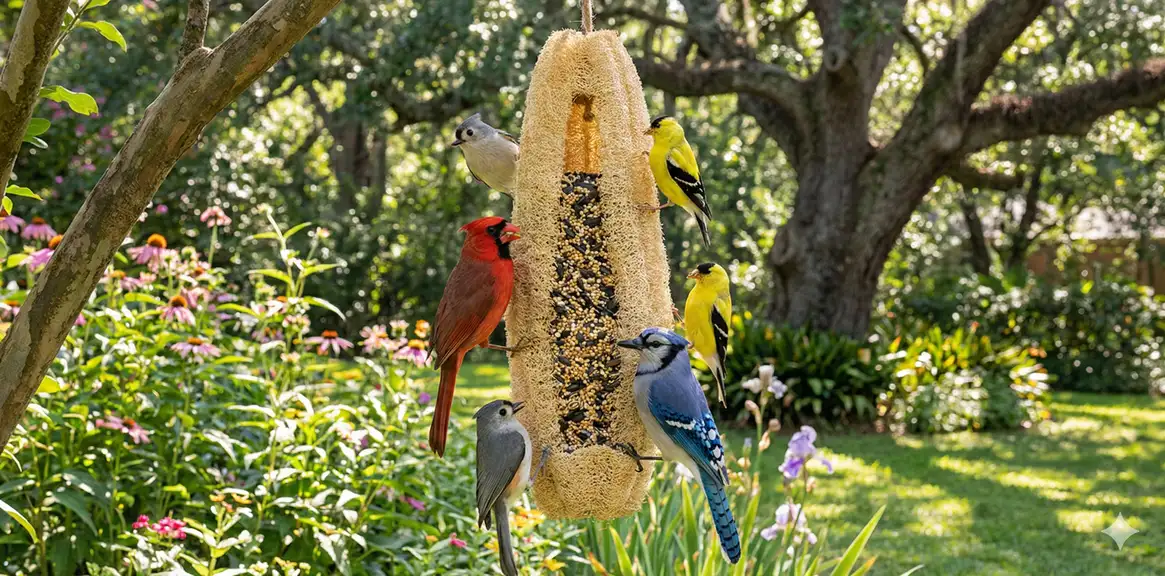
Transform your garden into a wildlife sanctuary with DIY loofah bird feeders. These natural, biodegradable feeders combine sustainability with functionality, offering birds a safe feeding station while giving you the satisfaction of creating something beautiful from homegrown gourds. This is one of the most rewarding loofah craft projects you can make.
Loofah gourds aren't just for bath time. Their unique fibrous structure makes them ideal for attracting wildlife in the garden. Unlike plastic feeders that contribute to environmental waste, loofah feeders are completely natural and will eventually decompose back into the earth.
Why Loofah Works Perfectly for Bird Feeders
The natural properties of dried loofah gourds create an ideal environment for bird feeding. Understanding these advantages will help you appreciate why this simple craft project is so effective.
Recommended Bird Feeding Supplies
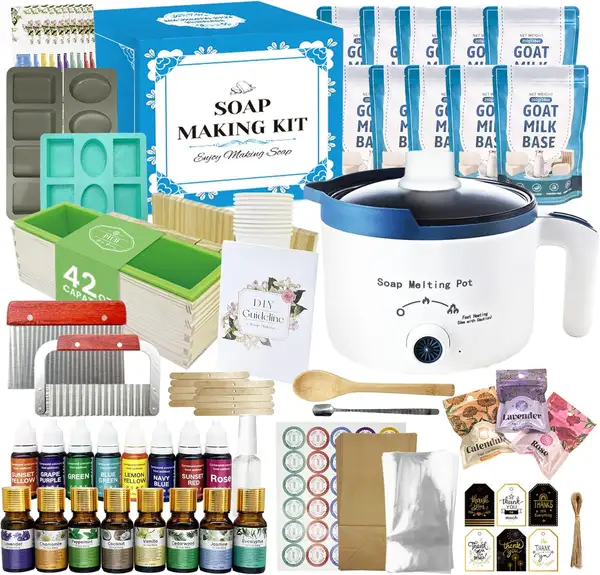
PIUH Complete Goat Milk Soap Making Kit
All-in-one soap making kit with goat milk base, molds, dried flowers, and essential tools. Ideal starter kit for beginners wanting to create loofah soap bars.
Check Price on Amazon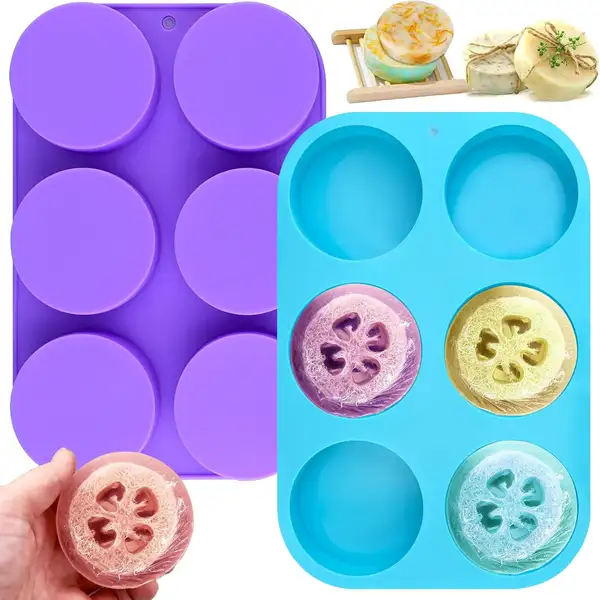
Sakolla Round Silicone Soap Molds for Loofah Slices (2-Pack)
Round silicone molds specifically designed for loofah soap making. Perfect for creating circular loofah soap bars that fit loofah slices perfectly.
Check Price on AmazonAs an Amazon Associate, we earn from qualifying purchases.
- Natural drainage: The fibrous structure prevents water accumulation that could spoil seeds or promote mold growth
- Easy grip: Birds can perch comfortably on the textured surface while feeding
- Weather resistant: Dried loofah withstands rain and sun for months before naturally biodegrading
- Eco-friendly: 100% biodegradable and compostable when its useful life ends
- Cost-effective: Free if you grow craft materials yourself
- Unique appearance: Natural aesthetic blends beautifully with garden landscapes
The porous nature of loofah fibers creates small pockets that catch and hold seeds without trapping moisture. This natural ventilation system keeps seeds fresh longer than enclosed plastic feeders, reducing waste and potentially harmful mold exposure for visiting birds.
Supplies Needed for DIY Bird Feeder Projects
Gathering the right materials before starting ensures a smooth crafting experience. Most supplies are common household items, making this an accessible project for beginners. Before starting, you'll want to learn about preparing loofah for crafts to ensure your gourd is ready.

Essential Materials
- Dried loofah gourd: 6-10 inches long, fully dried with firm fibrous structure
- Sharp knife or scissors: For cutting openings and trimming rough edges
- Twine or wire: Heavy-duty jute twine or coated wire for hanging
- Bird seed: Quality seed mix appropriate for your region's bird species
- Awl or drill: For creating drainage holes and threading points
Optional Enhancements
- Small wooden dowels for perches (1/4 inch diameter)
- Non-toxic wood stain for weatherproofing
- Eye hooks for easier hanging
- Wire mesh to prevent larger birds from emptying the feeder too quickly
- Decorative elements like pinecones or raffia for aesthetic appeal
- Choose loofahs with uniform thickness for better durability
- Avoid loofahs with soft spots or dark discoloration indicating incomplete drying
- Select natural jute twine over synthetic materials for better weather resistance
- Test the loofah's firmness by gently squeezing - it should feel rigid, not spongy
Step-by-Step Instructions: Making Your Loofah Seed Holder
Follow these detailed steps to create a functional and attractive bird feeder. The entire process takes approximately 20-30 minutes per feeder. This makes an excellent kid-friendly craft project for teaching children about nature and sustainability.
Choose a fully dried loofah gourd 6-10 inches long. Shake it to ensure seeds have been removed. If there's debris inside, rinse with water and allow to dry completely (2-3 days in direct sunlight). A clean, dry loofah ensures longer feeder lifespan and prevents contamination of bird seed.

Using a sharp knife, cut 2-3 circular or oval openings on the sides of the loofah. Each opening should be approximately 2 inches in diameter - large enough for small birds to access seeds but not so large that all the seeds spill out. Space openings evenly around the circumference. Trim any loose fibers around the edges.

Use an awl or drill to poke 4-6 small drainage holes (about 1/4 inch) at the bottom of the loofah. This critical step prevents rainwater accumulation that could spoil seeds and create unhealthy conditions. Test drainage by pouring water through the feeder - it should drain quickly without pooling.

Thread 18-24 inches of sturdy twine or coated wire through the top of the loofah. Create two holes about 1 inch from the top, positioned opposite each other. Thread the twine through both holes and tie securely, leaving enough length to hang from a branch or hook.

For enhanced functionality, drill horizontal holes below the feeding openings and insert small wooden dowels as perches. Position perches 1-2 inches below each opening. This gives birds a comfortable place to land while feeding and makes your feeder more attractive to a wider variety of species.

Fill the loofah cavity with your chosen bird seed mix. Don't overfill - leave about 1 inch of space at the top to prevent spillage. The fibrous structure will hold seeds in place while allowing birds to access them through the openings. Tap the sides gently to settle seeds into the fibers.


Best Seed Recommendations for Natural Bird Feeder Crafts
Choosing the right bird seed maximizes your feeder's effectiveness. Different seeds attract different bird species, so select based on which birds you want to attract to your yard.

- Black Oil Sunflower: Attracts chickadees, finches, nuthatches, cardinals - year-round
- Nyjer (Thistle): Attracts goldfinches, pine siskins, redpolls - winter/early spring
- Mixed Seed: Attracts variety of songbirds, sparrows - year-round
- Safflower: Attracts cardinals, chickadees, doves - squirrels dislike it
- Peanut Pieces: Attracts jays, woodpeckers, chickadees - fall/winter
For loofah feeders specifically, avoid seeds that are too small (like millet) which may fall through the fibrous structure too easily. Black oil sunflower seeds work exceptionally well because their size is ideal for getting caught in the loofah fibers while still being accessible to birds.
Hanging Tips: Optimal Placement for Your Loofah Bird Feeder
Strategic placement determines whether your feeder becomes a popular bird destination or sits unused. Consider these factors when choosing a location. You can also combine bird feeders with other garden loofah projects for a unified natural aesthetic.

Height and Distance
- Height: Hang feeders 5-6 feet off the ground to deter ground predators while remaining visible to birds
- Distance from structures: Position 10-15 feet from trees or buildings to prevent squirrels from jumping onto the feeder
- Visibility: Choose a location visible from windows for your viewing pleasure
- Cover proximity: Hang within 10-15 feet of shrubs or trees so birds have nearby shelter
- From shepherd's hooks in garden beds
- On sturdy tree branches using S-hooks
- Under porch eaves or pergolas for weather protection
- On dedicated bird feeder poles with squirrel baffles
- Along fence lines with clear approach paths for birds

Maintenance and Care for Long-Lasting Use
Regular maintenance keeps your loofah bird feeder functional and safe for birds. Establishing a simple care routine ensures the feeder remains attractive to birds throughout its lifespan.

Weekly Maintenance Tasks
- Check seed levels: Refill when seeds drop below half full to maintain bird interest
- Inspect for damage: Look for wear, especially around openings and hanging points
- Remove debris: Shake out seed hulls and any waste that accumulates
- Observe bird activity: Note which species visit and adjust seed types if needed
Deep Cleaning Process
Every 2-3 weeks, perform a thorough cleaning to prevent disease transmission between birds:
- Empty all remaining seeds completely
- Shake vigorously to dislodge debris from fibers
- Rinse with clean water (no soap needed)
- Hang in direct sunlight for 1-2 days to dry completely
- Inspect for signs of deterioration before refilling
- Never use bleach or harsh chemicals - they can be toxic to birds
- Replace the feeder if you notice black mold that won't rinse away
- Suspend feeding during disease outbreaks in your area
- Keep multiple feeders and rotate them to allow thorough drying
When to Replace

Loofah bird feeders typically last 4-6 months outdoors. Replace when you notice significant deterioration of the fibrous structure, persistent mold growth, or structural damage that could harm birds. The good news? Old loofah feeders are completely compostable, completing the sustainable lifecycle.
Frequently Asked Questions

A well-maintained loofah bird feeder typically lasts 4-6 months outdoors. The natural fibers are biodegradable, so they'll gradually break down over time. Hanging the feeder in a partially covered area and ensuring good drainage can extend its lifespan. Some crafters report their feeders lasting up to 8 months in dry climates.
Loofah bird feeders attract a variety of small to medium-sized birds including chickadees, finches, sparrows, nuthatches, and titmice. The natural texture provides good grip for perching birds. Larger birds like woodpeckers may also visit depending on the seed type and feeder placement.
You must use fully dried loofah gourds for bird feeders. Fresh or partially dried loofahs will rot quickly when exposed to moisture. The drying process removes all moisture and leaves the fibrous skeleton structure that's perfect for holding bird seed while allowing water to drain.
Loofah bird feeders are not squirrel-proof. The soft, fibrous structure can be easily chewed through by squirrels. However, you can deter squirrels by hanging the feeder at least 10 feet away from trees or structures, using a squirrel baffle on the pole, or coating the outside with cayenne pepper which doesn't affect birds.