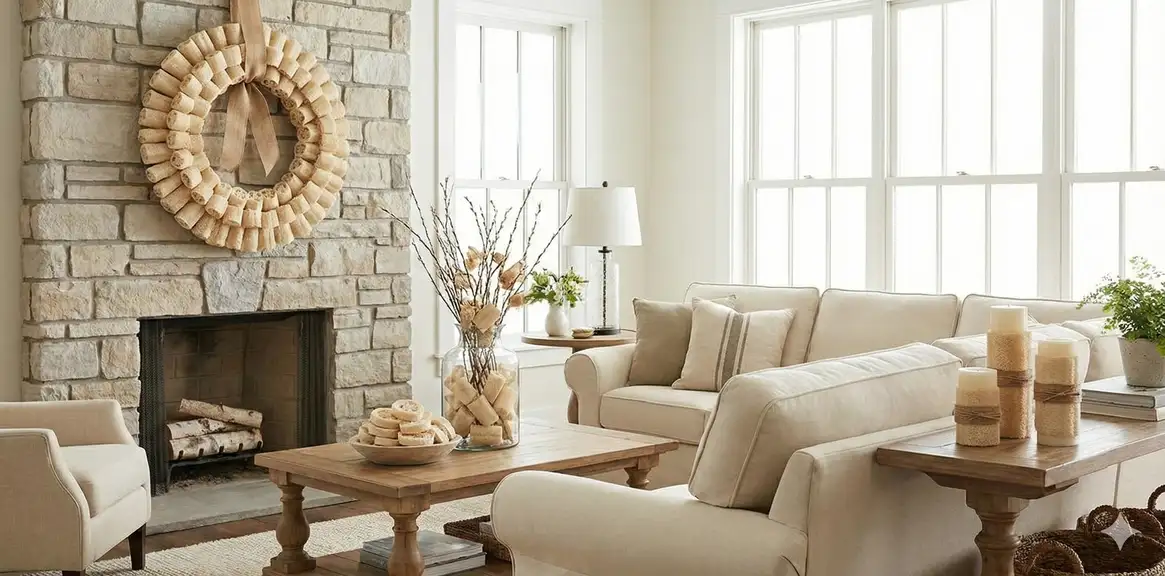
Dried loofah has emerged as a trendy material in natural home decor, and for good reason. The unique fibrous structure creates visual interest and texture that's impossible to replicate with synthetic materials. Unlike plastic or foam alternatives, loofah is completely biodegradable and sustainable, making it the perfect choice for eco-conscious decorators looking for creative loofah projects.
The neutral beige and cream tones of natural loofah blend seamlessly with earth-tone palettes, while the organic texture adds depth and warmth to any room. Whether you're going for coastal grandma, modern farmhouse, or full-on boho chic, loofah decorations deliver that coveted natural aesthetic that brings the outdoors in.
Best of all, if you grow your own loofah, you'll have an abundant supply of free decorative material each harvest season. A single loofah plant can produce 20-30 gourds, giving you plenty to work with for seasonal decorations and DIY projects throughout the year.
- 100% natural and biodegradable material
- Unique texture adds visual interest
- Neutral colors complement any palette
- Lightweight and easy to work with
- Can be customized with dyes and paints
- Free if you grow your own
- Lasts for years in dry conditions
Preparing Dried Loofah for Crafts
Before you start crafting, you'll need to properly prepare your dried loofah. Proper drying loofah for display is essential for creating long-lasting decorations. If you're harvesting from your own garden, allow the gourds to mature completely on the vine until the skin turns brown and papery. Remove the outer skin, shake out the seeds, and rinse the fibrous interior thoroughly.
For a lighter, more uniform color, you can bleach your loofahs. Mix one part household bleach with ten parts water in a large bucket. Submerge the cleaned loofahs for 10-15 minutes, checking frequently until you achieve your desired shade. Rinse thoroughly with clean water and allow to dry completely in a well-ventilated area.
Once dry, you can cut the loofah into various shapes and sizes using sharp scissors or a craft knife. Thin slices create interesting circular patterns, while longer sections work well for cylindrical forms. Save all your scraps - even small pieces can be incorporated into wreaths or used as vase fillers. For detailed instructions, see our guide on preparing decorative pieces.
Recommended Craft Supplies
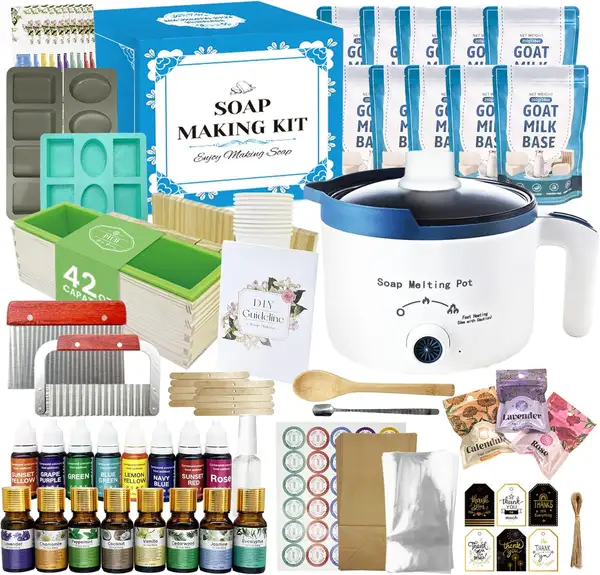
PIUH Complete Goat Milk Soap Making Kit
All-in-one soap making kit with goat milk base, molds, dried flowers, and essential tools. Ideal starter kit for beginners wanting to create loofah soap bars.
Check Price on Amazon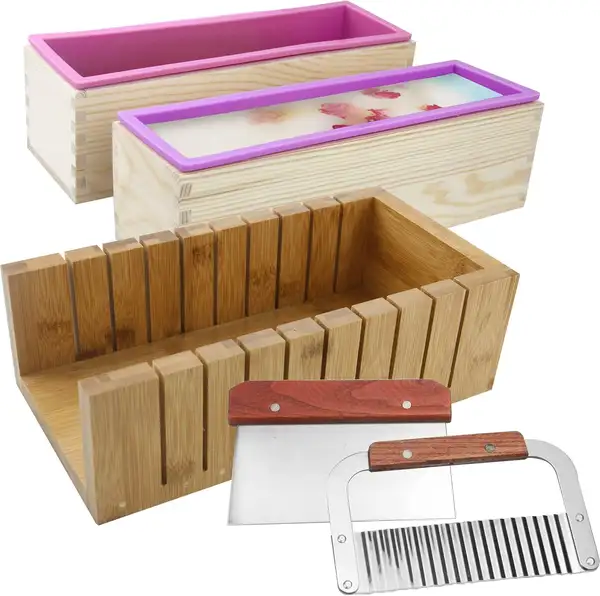
Professional Silicone Soap Molds with Cutters (2-Pack)
Create perfectly shaped loofah soap bars with these professional-grade silicone molds. Includes wavy and straight cutters for customized soap designs.
Check Price on AmazonAs an Amazon Associate, we earn from qualifying purchases.
Loofah Wall Art Ideas
Wall art is one of the most striking ways to showcase dried loofah in your home decor. The three-dimensional texture creates shadows and depth that photographs beautifully and adds sculptural interest to blank walls.
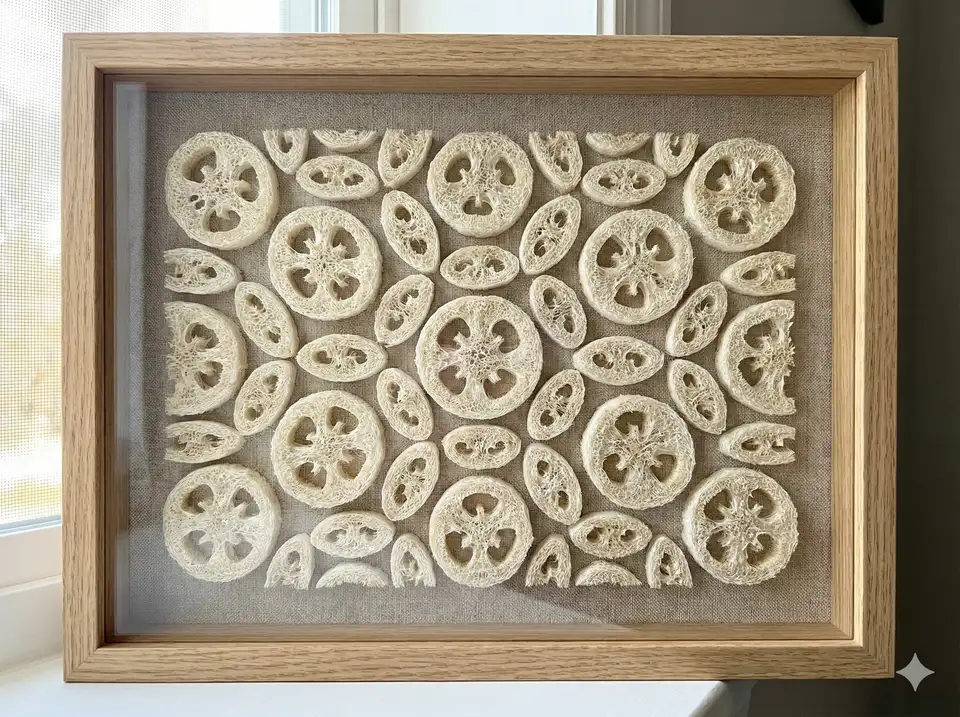
Cut thin cross-sections of loofah to reveal the beautiful geometric patterns inside. Mount these circular slices on a neutral background (linen, burlap, or watercolor paper) and frame them in simple wooden or black frames. Create a gallery wall with 3-9 frames for maximum impact.
- Use same-size frames for a cohesive look
- Vary the loofah slice sizes for visual interest
- Try different background colors behind each slice
- Add small pressed botanicals for extra detail
Create a macrame-inspired wall hanging by attaching various lengths of loofah to a driftwood or wooden dowel. Combine with jute rope, cotton cord, and dried grasses for a layered, textural piece that embodies boho style.
- Vary lengths to create cascading effect
- Mix bleached and natural loofah colors
- Incorporate wooden beads or rings
- Leave some loofahs whole, slice others
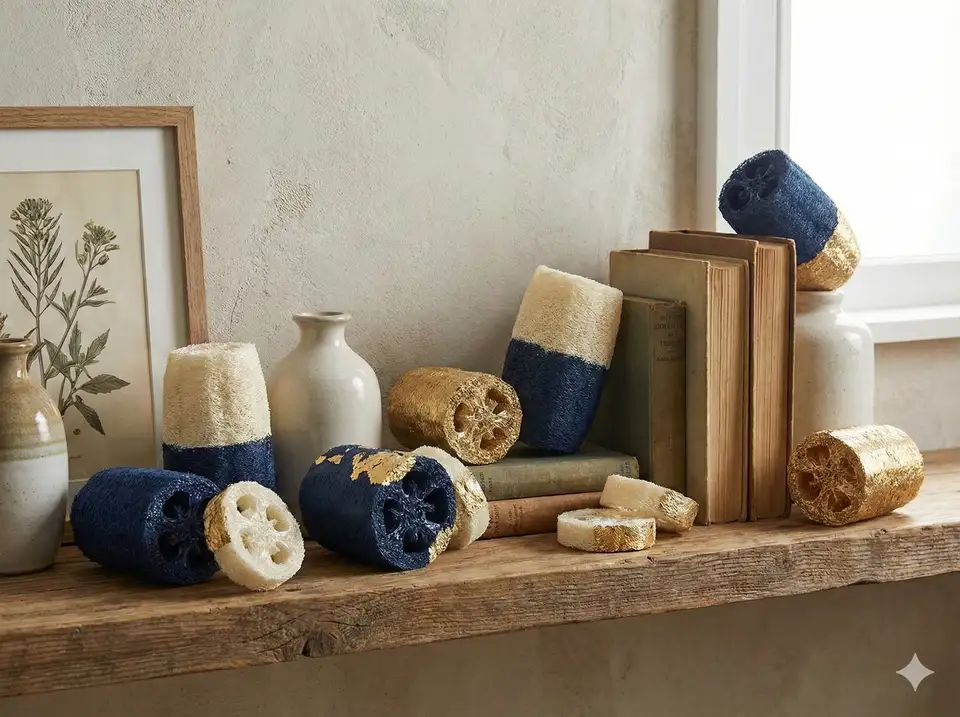
Paint loofah slices in colors that match your room's palette. Use acrylic paints for vibrant hues, metallic spray paint for glamour, or ombre techniques for a gradient effect. Mount on canvas boards or directly to the wall as a 3D installation.
- Seal with clear acrylic spray after painting
- Try monochromatic color schemes
- Use metallic gold or copper for elegance
- Create seasonal pieces you can rotate
Creating Loofah Wreaths
Wreaths are a classic home decoration that takes on new life when crafted with dried loofah. The natural texture makes a stunning year-round statement piece for your front door, mantel, or wall.
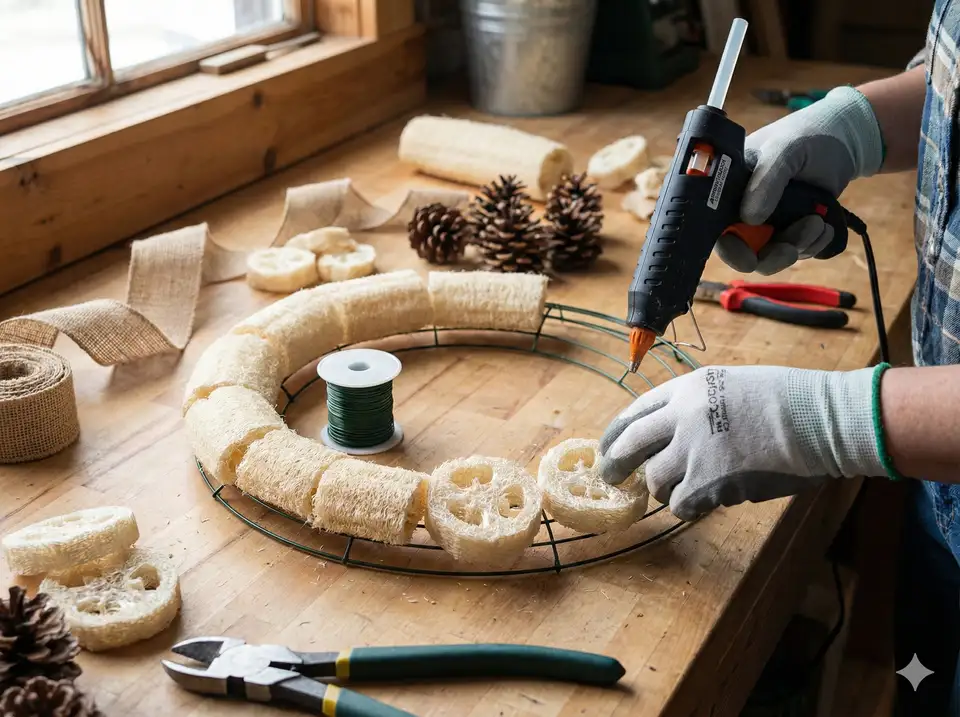
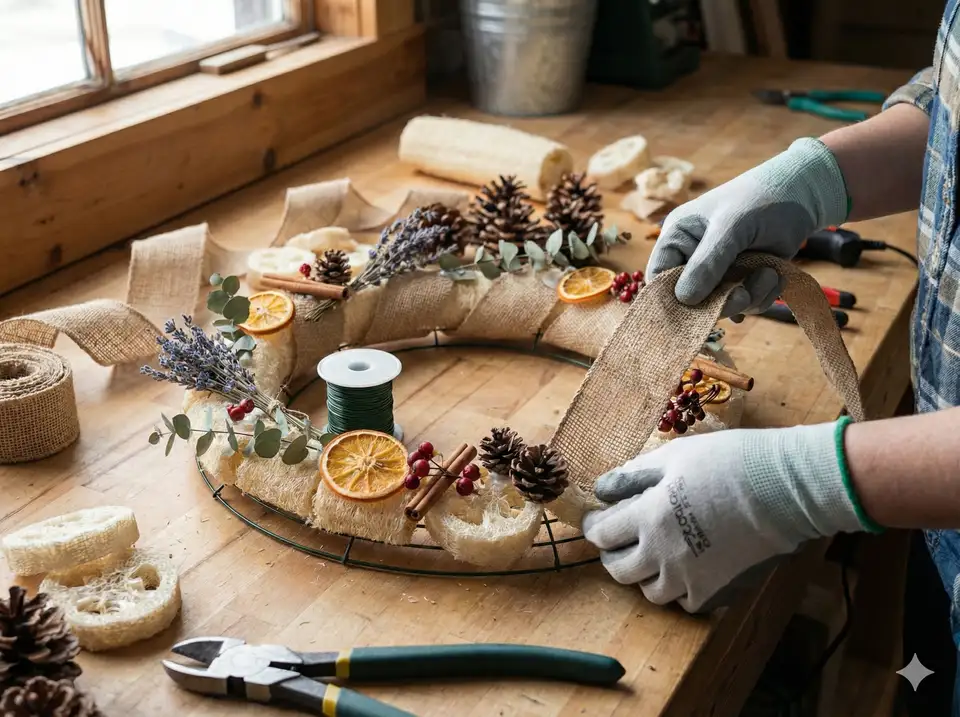
Start with a basic wreath form - wire, foam, or grapevine all work well. Cut loofah into various sizes and attach to the form using hot glue or floral wire. Layer different sizes and angles to create dimension. You can cover the entire form for a full, lush look, or create a more minimalist design with strategic placement of loofah pieces.
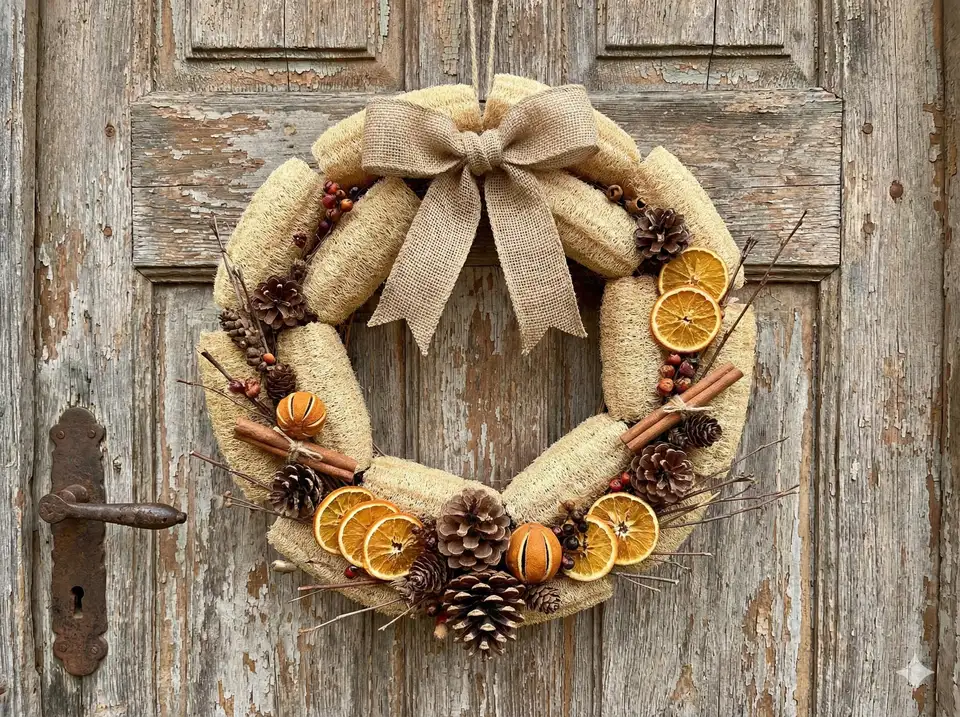
For seasonal variations, add complementary natural elements. In fall, incorporate dried wheat, orange slices, and cinnamon sticks. For winter holidays, add pine cones, evergreen sprigs, and red berries. Spring wreaths can feature pastel-dyed loofah with dried flowers, while summer versions look fresh with shells and starfish for a coastal vibe.
- Work in layers from back to front for depth
- Use different loofah textures (some tightly packed, some open and airy)
- Keep a hot glue gun on high heat for strong bonds
- Add ribbon or raffia bow as a focal point
- Spray with hairspray to help preserve dried additions
- Store flat in a dry location when not displayed
Loofah as Vase Fillers and Centerpieces
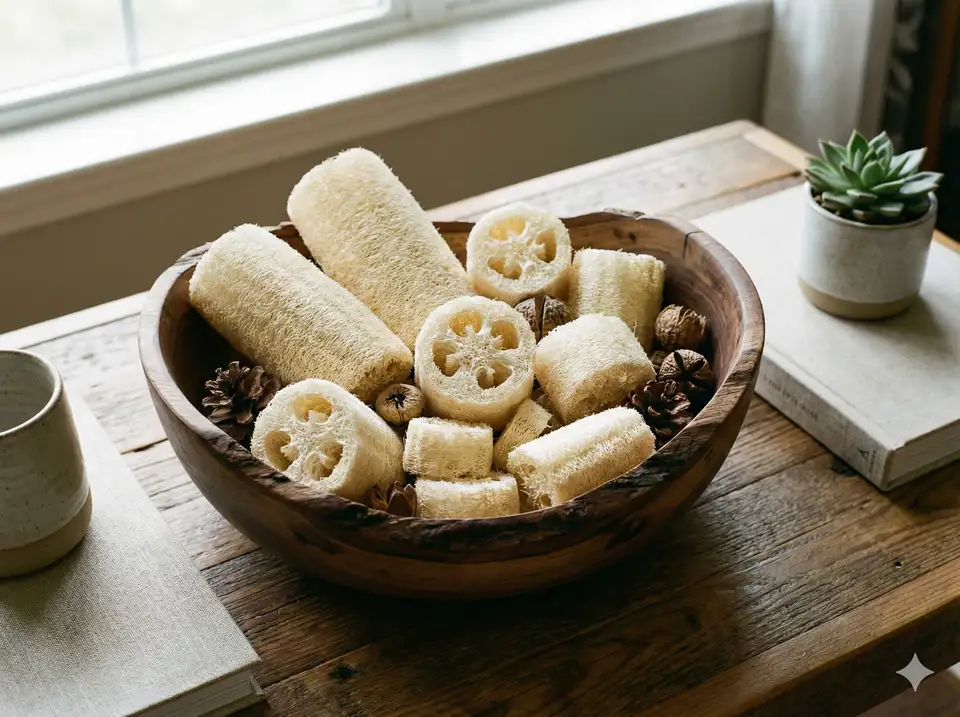
Small loofah pieces make excellent vase fillers that add natural texture to floral arrangements. Cut loofah into 1-2 inch chunks and place them in clear glass vases, bowls, or hurricanes. They provide visual interest while supporting flower stems and creating height variation in arrangements.
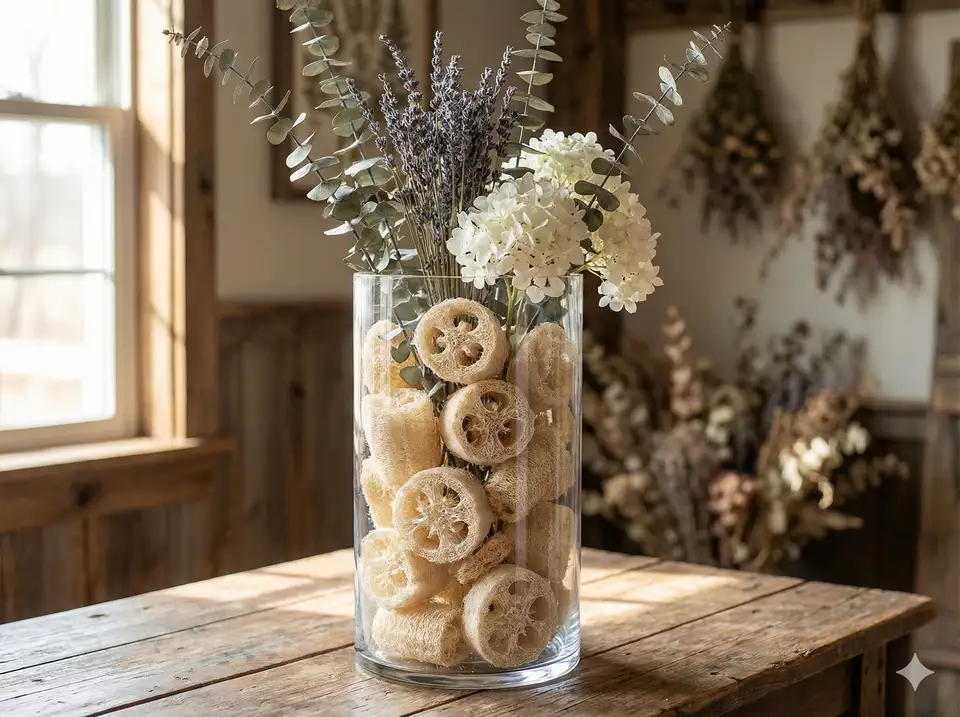
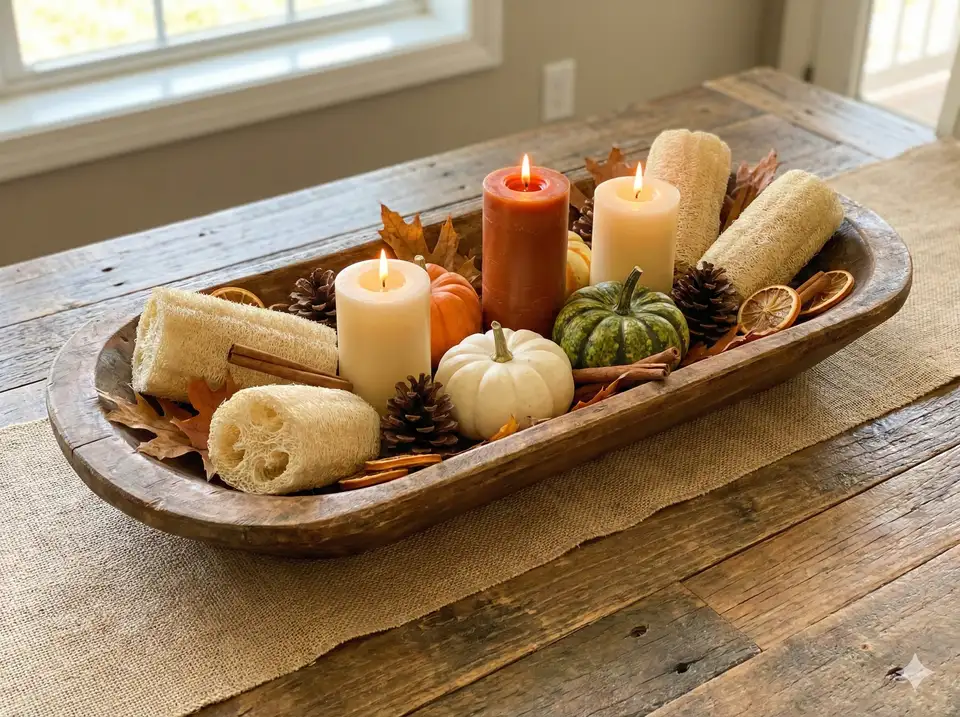
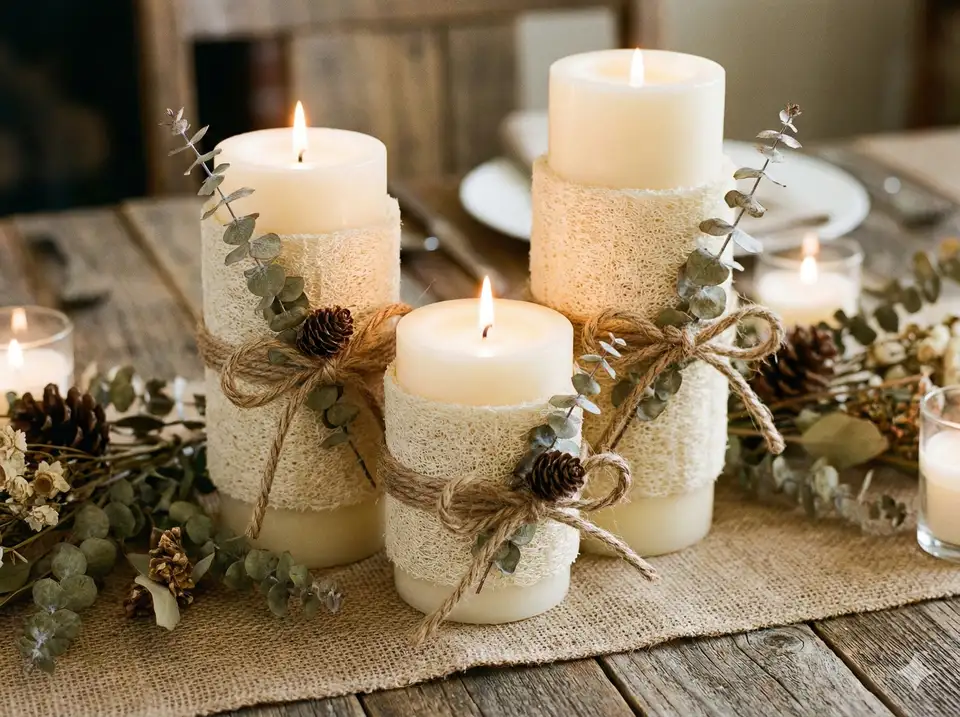
For dining table centerpieces, arrange whole or halved loofahs on a wooden tray or rustic board. Combine with pillar candles, fresh greenery, and other natural elements like river rocks, driftwood, or pine cones. The neutral tones won't compete with your table settings while adding organic texture that feels intentional and curated.
Try floating loofah slices in shallow bowls of water for a spa-like centerpiece. Add floating candles and flower petals for special occasions. The loofah will absorb some water and take on an interesting translucent quality that catches the light beautifully.
Outdoor and Garden Decor
While loofah decorations last longest indoors, they can also add charm to covered outdoor spaces. Consider using dried loofah in your garden decor with loofah projects for patios and porches protected from direct rain.
Create rustic garden markers by attaching painted loofah slices to wooden stakes. The unique texture makes them stand out while maintaining a natural garden aesthetic. Just bring them inside during wet weather to extend their lifespan.
Seasonal Loofah Decorations
One of the best aspects of decorating with loofah is how easily it adapts to seasonal themes while maintaining a sophisticated, natural look. The neutral base allows you to add pops of seasonal color and elements without overwhelming your space.
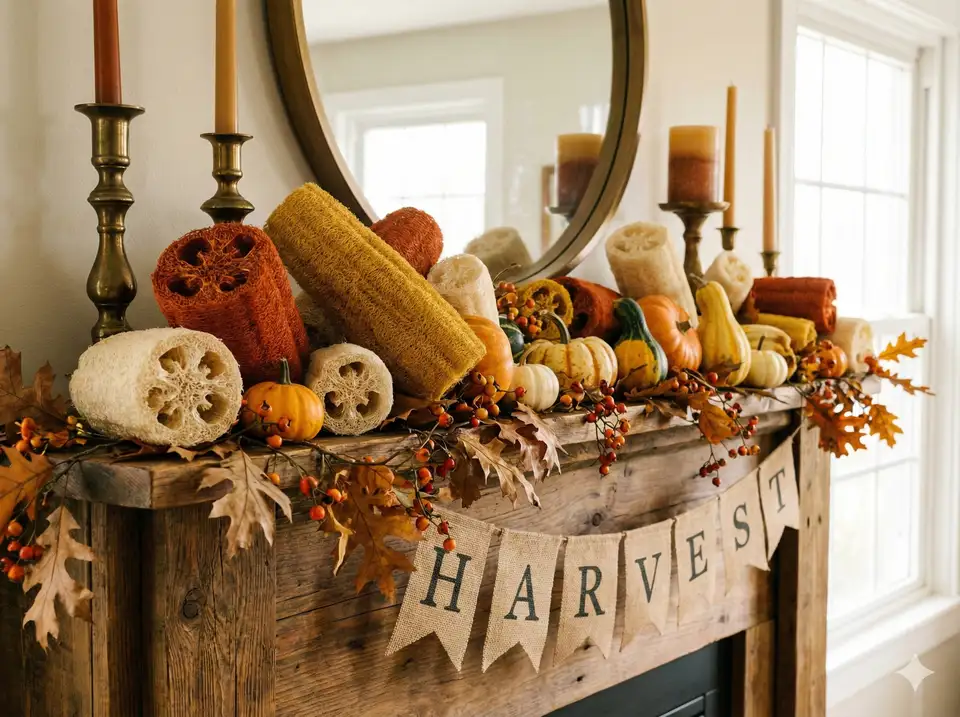
In autumn, loofah naturally complements the harvest aesthetic. Create cornucopia-style arrangements with loofah alongside gourds, pumpkins, and dried corn. Add warm-toned ribbon in burgundy, orange, or gold. Loofah pieces can be tucked into fall leaf garlands or used as textural accents in Thanksgiving centerpieces.
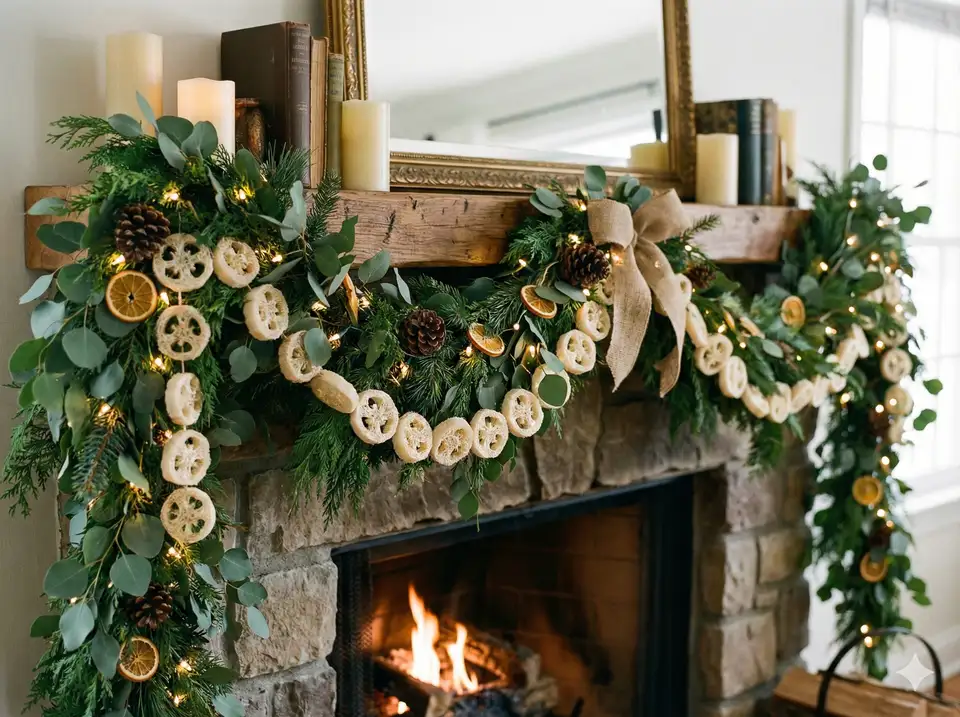
For winter holidays, pair loofah with evergreen branches, red berries, and white accents for a natural Christmas look. Dust pieces lightly with white paint or artificial snow for a frosted effect. Loofah ornaments tied with twine make unique tree decorations or gift package toppers.
Welcome spring by dyeing loofah in soft pastels - blush pink, sage green, or lavender. Combine with fresh tulips, daffodils, and pussy willows. Create Easter arrangements with dyed loofah "eggs" nestled in moss or displayed in wire baskets.
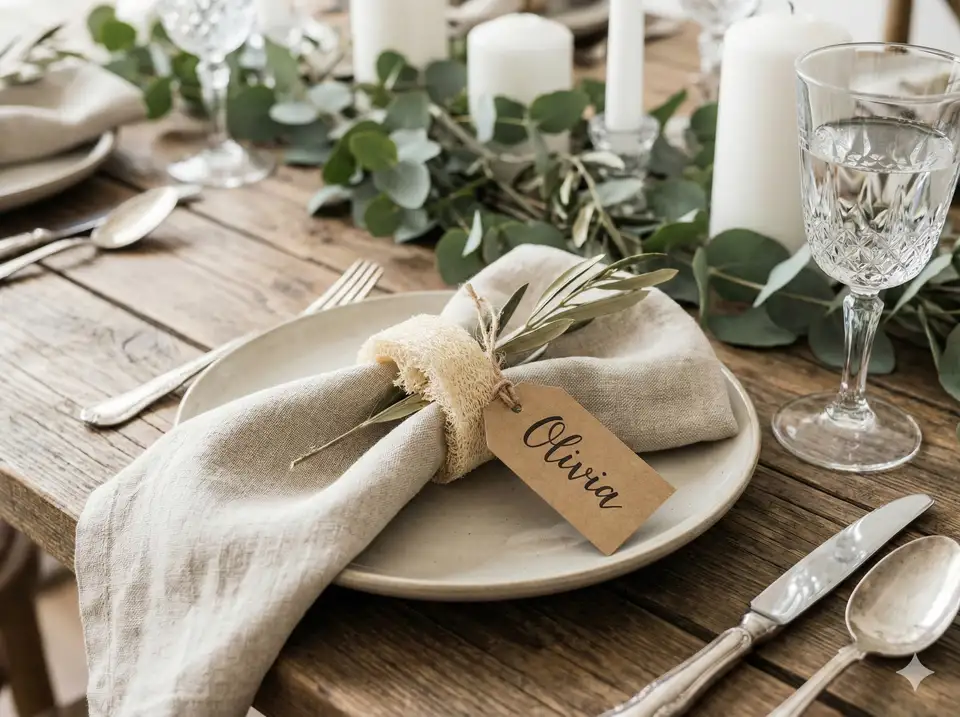
Summer is perfect for embracing loofah's natural association with the sea. Create beach-inspired vignettes with loofah, shells, coral, and sea glass. Use in bathroom decor for a spa-like atmosphere, or incorporate into outdoor table settings for al fresco dining.
Caring for Loofah Decorations
Properly cared for, loofah decorations can last for many years. The key is keeping them dry and protected from moisture, which can lead to mold or deterioration. Display pieces away from humid areas like bathrooms (unless they're purely decorative and won't get wet) and avoid placing them near sources of water.
Dust your loofah decorations regularly with a soft brush or can of compressed air. For deeper cleaning, gently vacuum using the brush attachment on low power. If pieces get dirty, spot clean with a slightly damp cloth and allow to dry completely before redisplaying.
Keep loofah out of direct sunlight to prevent fading, especially if you've dyed or painted pieces. UV rays will gradually lighten the colors and can make the fibers brittle over time. Rotate your decorations seasonally and store unused pieces in a cool, dry location in breathable containers like cardboard boxes or fabric bags.
Selling Your Loofah Decorations
If your loofah decor projects turn out beautifully, consider selling decorative items at craft fairs, farmers markets, or online marketplaces. Handmade natural decor is in high demand, and loofah decorations have strong appeal for eco-conscious consumers.
Frequently Asked Questions
Clean the dried loofah by removing any remaining seeds and debris. You can bleach it in a mixture of 1 part bleach to 10 parts water for 10-15 minutes to achieve a lighter color, then rinse thoroughly and allow to dry completely. For natural color, simply clean with water and let dry. Trim to desired sizes using sharp scissors or a craft knife.
Yes, dried loofah absorbs dyes and paints beautifully. Use fabric dyes for vibrant, saturated colors, or acrylic paints for more controlled designs. Spray paint works well for even coverage. The porous texture creates interesting effects. Always seal painted pieces with a clear acrylic sealer to protect the finish and prevent flaking.
When kept in dry conditions away from moisture, loofah decorations can last for years. The natural fibers are quite durable once fully dried. Keep them out of direct sunlight to prevent fading, and dust regularly. If they get wet, allow them to dry completely to prevent mold growth. Indoor decorations typically outlast outdoor ones.
Dried loofah complements bohemian, coastal, farmhouse, and natural/organic design aesthetics. The neutral beige tones and organic texture pair beautifully with rattan, jute, driftwood, and other natural materials. They work especially well in spa-like bathrooms, beach-themed spaces, and rooms with earth-tone color palettes.
Dried loofah is generally safe and non-toxic, but pets may be tempted to chew on it. Place decorations out of reach of curious pets, especially cats and dogs who might mistake them for toys. If ingested in large amounts, the fibers could cause digestive issues. For homes with pets, consider hanging decorations or placing them on high shelves.