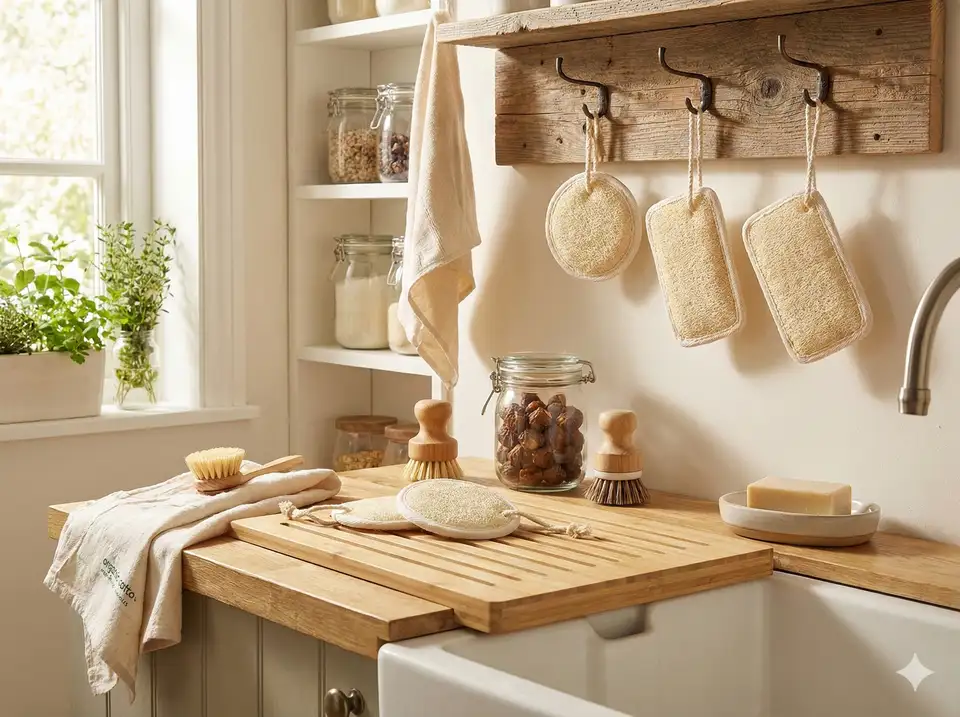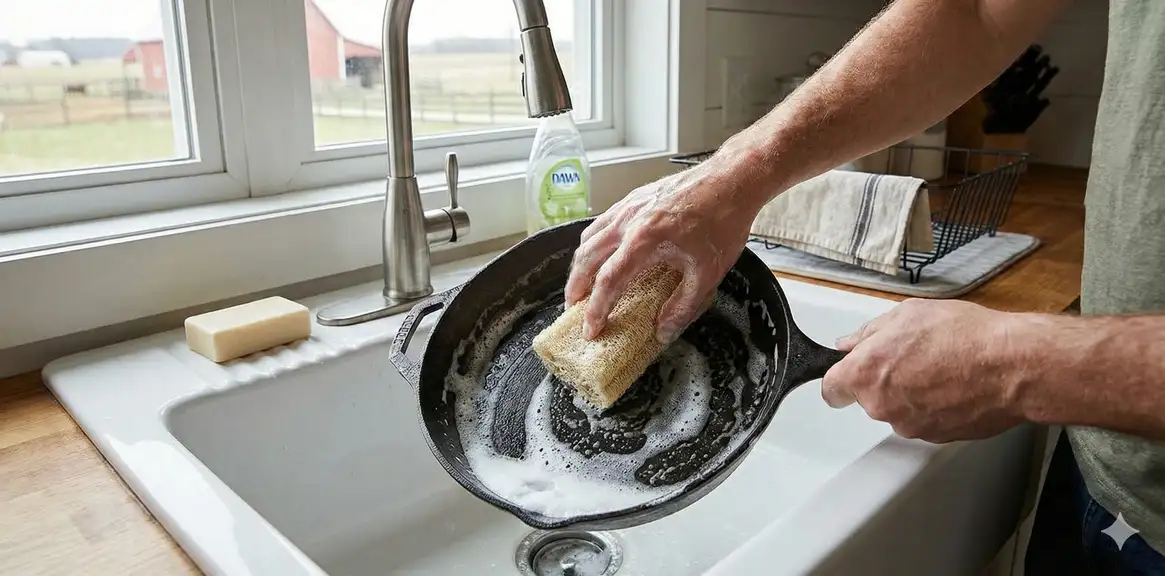
For homesteaders seeking sustainable kitchen solutions, loofah pot scrubbers represent the perfect intersection of self-sufficiency and eco-consciousness. These natural cleaning tools grow in your garden, cost virtually nothing to make, and replace plastic sponges that contribute to landfill waste and microplastic pollution. Unlike synthetic scrubbers that harbor bacteria and deteriorate quickly, homemade loofah scrubbers are naturally antimicrobial, highly effective, and completely biodegradable.
Whether you've just harvested your first loofah crop or purchased dried loofahs specifically for crafting, transforming them into functional pot scrubbers requires only basic tools and minimal time. The result is a superior cleaning tool that tackles stuck-on food, greasy pots, and everyday dish washing without scratching surfaces or introducing harmful chemicals into your home. This is one of the most practical loofah crafts you can make.
Recommended Kitchen Supplies
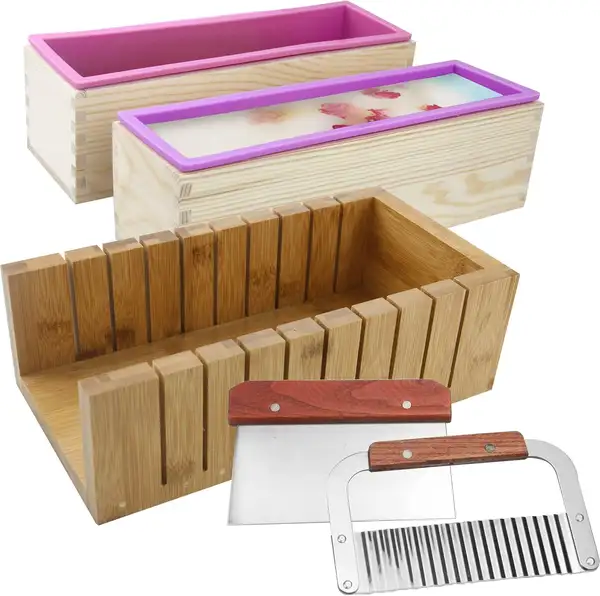
Professional Silicone Soap Molds with Cutters (2-Pack)
Create perfectly shaped loofah soap bars with these professional-grade silicone molds. Includes wavy and straight cutters for customized soap designs.
Check Price on Amazon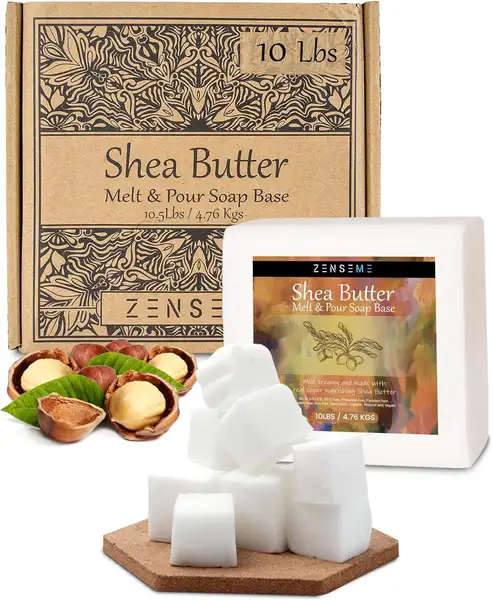
Premium Shea Butter Soap Base (10 lbs)
Premium melt-and-pour soap base enriched with shea butter for extra moisturizing properties. Perfect for embedding loofah slices in luxurious, skin-nourishing bars.
Check Price on AmazonAs an Amazon Associate, we earn from qualifying purchases.
Why Choose Loofah for Pot Scrubbers
Natural loofah offers distinct advantages over conventional kitchen scrubbers that make it ideal for homestead use. The fibrous network of a mature loofah gourd creates an abrasive yet gentle texture that lifts food particles without damaging cookware surfaces. This makes loofah particularly valuable for cast iron, stainless steel, ceramic, and even some non-stick surfaces when used with appropriate pressure. You can compare to commercial options and see why homemade versions often perform better.
The environmental benefits extend beyond the obvious biodegradability. A single homegrown loofah plant can produce 10-20 gourds, each yielding multiple scrubbers. This means one growing season provides a year's supply of dish scrubbers for the average household, eliminating ongoing purchases of plastic sponges. When your loofah scrubber reaches the end of its useful life, it goes directly into the compost bin, returning nutrients to your garden in a complete circle of sustainability.
- Naturally antibacterial: Loofah fibers dry quickly, preventing bacterial growth between uses
- Non-scratching: Softer than steel wool, safe for most cookware including glass and enamel
- Highly absorbent: Holds soap and water effectively for efficient cleaning
- Cost-effective: Free when grown at home, pennies when purchased dried
- Zero waste: Completely compostable at end of life
- Chemical-free: No synthetic materials or treatments needed
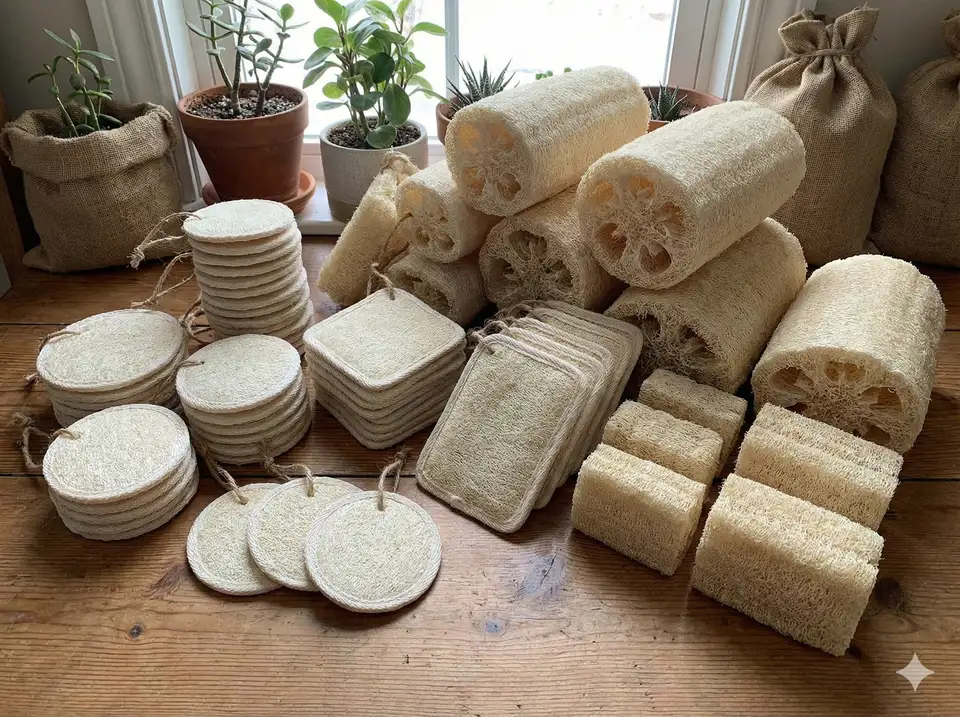
Homestead Sustainability Impact
The typical American household uses 6-8 kitchen sponges per year, contributing to the estimated 300 million sponges sent to landfills annually. By switching to loofah scrubbers, a homestead family eliminates this waste stream entirely while reducing dependence on petroleum-based products. For those committed to self-sufficient living, the ability to grow, harvest, and craft your own cleaning supplies represents meaningful progress toward complete household independence. Learn more about using loofah for dishes in our comprehensive kitchen guide.
Cutting and Shaping Your Loofah Pot Scrubber
The foundation of an effective pot scrubber begins with proper cutting technique. Start with a fully mature, dried loofah that has been properly processed and cleaned. The ideal loofah for scrubbers should feel firm and dense rather than soft and spongy. You'll want to select dense loofah sections from the middle of the gourd for maximum scrubbing power.
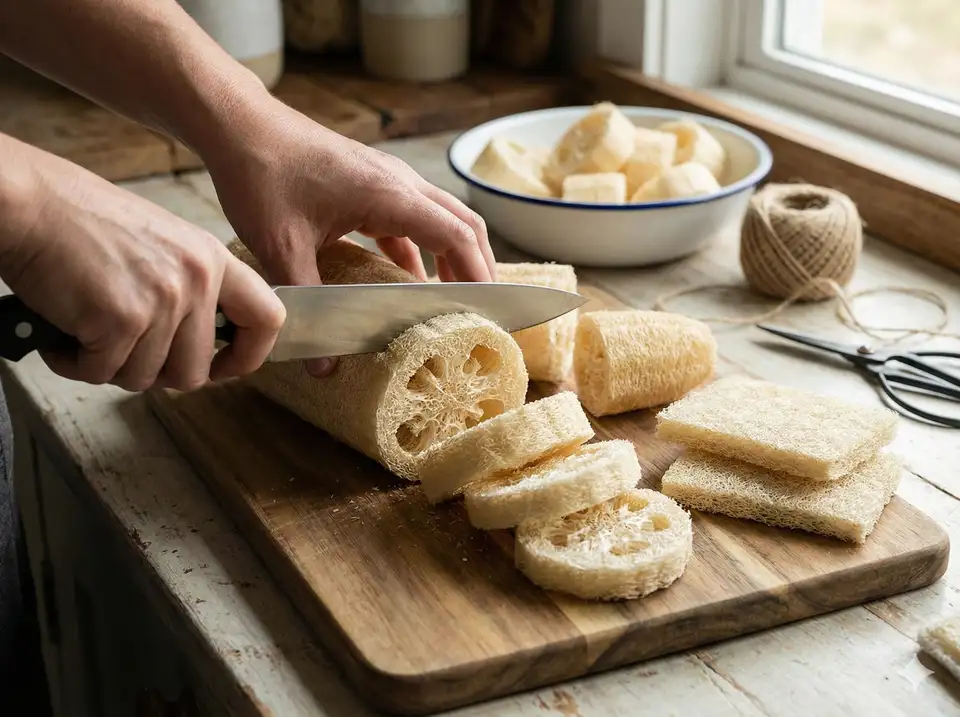
Before cutting, examine the loofah for its natural fiber pattern. You'll notice the fibers run lengthwise along the gourd. For maximum durability, cut perpendicular to these fibers, creating cross-sectional rounds. This orientation exposes more fiber ends, increasing abrasiveness and cleaning power. For detailed techniques on cutting heavy-duty pieces, see our kitchen cutting guide.
Step-by-Step Cutting Process
- Gather your tools: You'll need a sharp serrated knife (bread knives work excellently), scissors for trimming, and optionally a cutting board. Wear gloves if you have sensitive skin, as loofah fibers can be slightly irritating.
- Measure your sections: Use a ruler to mark cutting lines on the loofah. For standard handheld scrubbers, 1-2 inch thick slices work well. For handled scrubbers, cut 2-3 inch sections to provide adequate surface area around the handle.
- Make the cuts: Using a sawing motion with your serrated knife, cut through the loofah at your marked lines. Apply steady, even pressure and let the knife teeth do the work. Rushing can cause the loofah to compress or crack unevenly.
- Clean up the cuts: Use scissors to trim any loose fibers extending from the edges. Create smooth, even edges that won't snag on dishes or your hands during use.
- Shape as needed: For round scrubbers, leave the natural circular shape. For rectangular scrubbers that fit in corners or specific pan shapes, trim the sides to create straight edges. Some homesteaders prefer triangular shapes for reaching into corners of baking dishes.
- Cut a variety of sizes in one session - small for delicate items, large for heavy pots
- Save the end caps (the rounded tips) for light-duty scrubbing or facial exfoliation
- Dense, tightly-packed sections from the middle of the loofah make the best pot scrubbers
- Thinner slices (1 inch) are more flexible and work well for curved surfaces like woks
- Thicker chunks (3-4 inches) provide more surface area for heavy-duty scrubbing tasks
Attaching Handles to Natural Scrubber for Pots
While simple loofah rounds function perfectly as handheld scrubbers, adding a handle significantly improves ergonomics and allows you to apply more pressure when tackling stubborn, baked-on messes. The handle also keeps your hands cleaner and provides better reach when cleaning large stockpots or roasting pans.
Handle Material Options
The best handles for loofah scrubbers share two qualities: water resistance and durability. Wooden dowels (3/4 inch to 1 inch diameter) are the traditional choice, offering good grip and natural aesthetics. Bamboo stakes provide similar benefits with added sustainability. For longer-lasting options, consider food-safe plastic dowels or even repurposed wooden spoon handles with the bowl end removed.
Whatever material you choose, seal wooden handles with food-safe mineral oil or beeswax to prevent water absorption and splitting. This treatment should be refreshed monthly for handles in regular use.
Attachment Methods
Create a hole through the center of your loofah round. Using a Phillips head screwdriver or a drill with a bit slightly smaller than your handle diameter, carefully create a pilot hole through the center. Gradually widen this hole by working the tool in circular motions until the handle fits snugly. The friction fit often holds well enough for use, but for added security, apply a small amount of waterproof wood glue around the handle before inserting it. Allow 24 hours to cure before first use.
For those avoiding adhesives, wrap strong cotton or hemp twine around the loofah and handle multiple times, creating a secure binding. Wet the loofah first to compress it slightly, then wrap tightly with twine. As the loofah dries, it expands into the twine, creating a firm hold. Finish with several tight knots. This method requires re-tightening every few weeks as the loofah wears.

Care and Maintenance of DIY Pot Scrubber
Proper care dramatically extends the lifespan of your loofah scrubbers and maintains their hygiene. Unlike synthetic sponges that remain perpetually damp and become bacterial breeding grounds, loofah naturally resists bacterial growth when properly dried between uses.
Daily Maintenance Routine
After each use, rinse your loofah scrubber thoroughly under hot running water, squeezing repeatedly to flush out food particles and soap residue. Pay special attention to the inner layers where debris can become trapped. Squeeze out excess water firmly, then shake vigorously to remove as much moisture as possible.
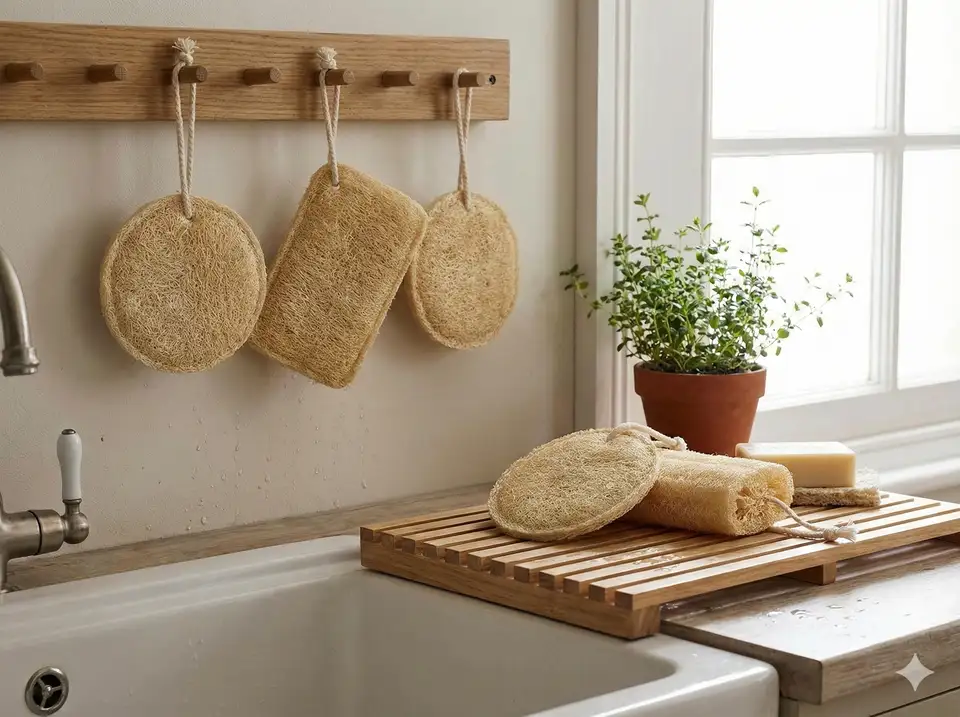
Storage location matters significantly. Never leave loofah scrubbers in the sink or in standing water. Instead, place them in a well-ventilated area where air can circulate freely. A small basket on the counter, a hanging rack, or a dedicated dish drying area all work well. The key is ensuring the scrubber dries completely between uses, typically within 6-8 hours in a well-ventilated kitchen.
Weekly Sanitization
Even with proper daily care, weekly sanitization prevents bacterial buildup and odor development. Choose any of these effective methods:
- Microwave method: Wet the loofah thoroughly (dry loofahs can ignite), then microwave on high for 30-60 seconds. This kills 99.9% of bacteria. Allow to cool before handling.
- Bleach soak: Prepare a solution of 1 part bleach to 10 parts water. Submerge the scrubber for 5 minutes, then rinse extremely thoroughly under running water to remove all bleach residue. Dry completely.
- Dishwasher sanitize: Place scrubbers on the top rack of your dishwasher and run a normal cycle. The high heat and detergent provide thorough sanitization.
- Boiling water: Bring a pot of water to a rolling boil, drop in the scrubber, and boil for 5 minutes. Remove with tongs and allow to dry completely.

- Persistent musty or sour odor even after rinsing
- Visible discoloration (yellowing, darkening, or spots)
- Feels slimy or sticky when wet
- Hasn't been sanitized in over a week of daily use
- Used on particularly greasy or protein-heavy messes
When to Replace Your Homestead Dish Scrubber
Unlike plastic sponges that show obvious deterioration, loofah scrubbers degrade more gradually. Knowing when to retire a scrubber and start fresh ensures optimal cleaning performance and kitchen hygiene.
The average lifespan for a loofah pot scrubber with daily use ranges from 2-4 weeks, though this varies based on usage intensity and maintenance practices. Light dish washing extends life toward the upper end of this range, while frequent scrubbing of burned-on food shortens it considerably.
Replacement Indicators
- Fiber breakdown: As loofahs age, the fibrous network begins to separate and deteriorate. You'll notice individual fibers breaking free during use and the overall structure becoming looser and less cohesive. When the scrubber no longer maintains its shape or feels noticeably softer than when new, replacement time has arrived.
- Persistent odors: If your scrubber develops odors that persist even after thorough sanitization, bacteria has likely penetrated deep into the fiber structure. This indicates the scrubber has reached the end of its sanitary life.
- Reduced effectiveness: A fresh loofah scrubber removes stuck-on food with moderate pressure. When you find yourself scrubbing harder or longer to achieve the same results, the abrasive properties have diminished enough to warrant replacement.
- Discoloration and staining: While some color change is normal with use, heavy staining or dark spots indicate absorbed oils and organic matter that won't fully rinse away. These substances provide nutrients for bacterial growth.
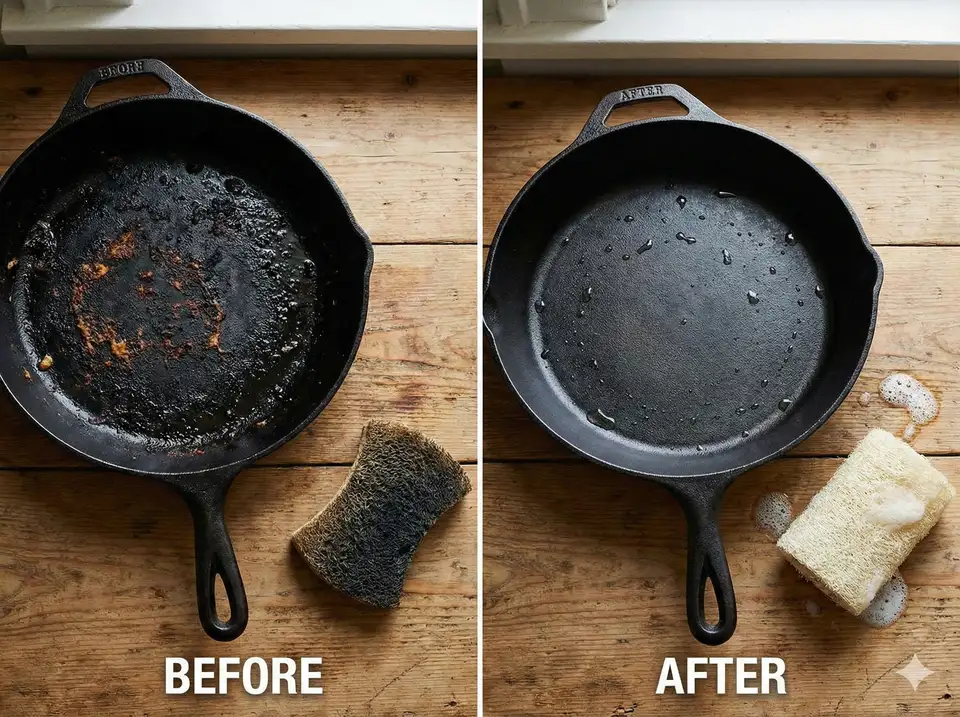
The beauty of homemade loofah scrubbers lies in the guilt-free replacement schedule. Unlike expensive synthetic alternatives, you can replace loofah scrubbers at the first sign of reduced performance. Toss the old scrubber in the compost and cut a fresh one from your supply - the entire process takes less than a minute and costs nothing when using homegrown loofahs. If you make extra scrubbers, consider selling kitchen scrubbers at local farmers markets.
Frequently Asked Questions
Yes, loofah pot scrubbers offer several advantages over plastic sponges. They're completely biodegradable, naturally antibacterial when dry, non-scratching on most surfaces, and cost-effective when grown at home. Unlike plastic sponges that shed microplastics and harbor bacteria, loofahs dry quickly between uses and can be composted at the end of their life. The main consideration is that loofahs require more diligent drying to prevent odor development, whereas plastic sponges (though less hygienic) are more forgiving of careless storage.
A well-maintained loofah pot scrubber typically lasts 2-4 weeks with daily use. Lifespan depends on frequency of use, types of dishes being cleaned, and maintenance practices. Heavier scrubbing tasks wear them down faster, while gentle dish washing can extend their usability. Replace when fibers begin to break down, the scrubber loses its shape, or when it develops odors that persist after sanitization. Since homemade scrubbers cost virtually nothing, err on the side of replacing frequently for best hygiene.
Yes, you can sanitize loofah scrubbers several ways: microwave damp loofahs for 30 seconds, soak in a 10% bleach solution for 5 minutes then rinse thoroughly, run through the dishwasher on the top rack, or boil in water for 5 minutes. Sanitize weekly for best hygiene, and always allow complete drying between uses. The combination of weekly sanitization and complete daily drying prevents bacterial growth and extends scrubber life.
For standard pot scrubbers, cut loofah slices 1-2 inches thick for handheld rounds. For handled scrubbers, use 2-3 inch thick sections to provide adequate material around the handle attachment point. Small scrubbers (1 inch) work well for delicate items and curved surfaces, while larger 3-4 inch pieces are ideal for heavy-duty pot scrubbing. Consider cutting a variety of sizes to match different kitchen tasks. Dense sections from the middle of the loofah make the most effective scrubbers.
Natural loofah is generally safe for non-stick surfaces when used gently. The plant fibers are softer than steel wool and most synthetic scrubbers, making them less likely to scratch delicate coatings. However, for brand-new or expensive non-stick cookware, use light pressure and consider using the softer inner portion of the loofah rather than the outer layers. Test on a small, inconspicuous area first if you're concerned. For heavily worn non-stick pans that already show coating damage, a soft cloth may be more appropriate to prevent further deterioration.
Embracing Natural Cleaning Solutions
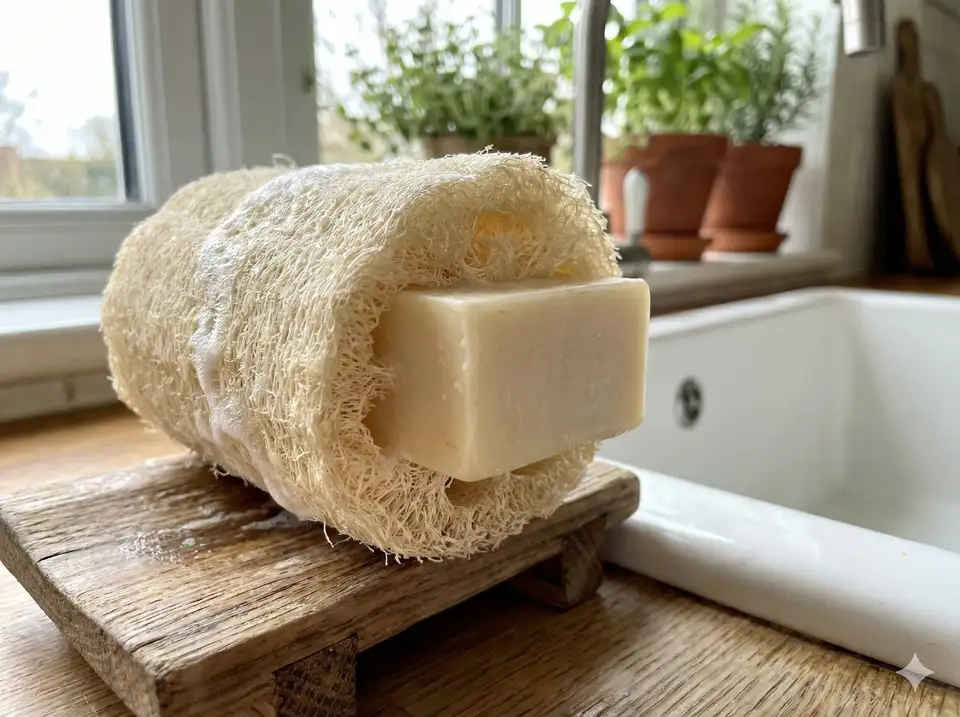
Creating loofah pot scrubbers represents more than just a crafting project - it's a meaningful step toward kitchen self-sufficiency and environmental responsibility. These simple yet effective tools demonstrate how homestead practices can replace commercial products with superior homemade alternatives that cost less, perform better, and align with sustainable living values.
The transition from plastic sponges to natural loofah scrubbers requires minimal adjustment but delivers lasting benefits. Your dishes get just as clean (often cleaner), your environmental footprint shrinks, and you gain the satisfaction of using products you've grown and crafted yourself. For those new to homesteading, growing loofahs offers an accessible entry point into sustainable living that requires no special expertise or expensive equipment.
Start small - make a few scrubbers from a purchased loofah to test the concept in your kitchen. Once you experience the effectiveness and satisfaction of natural scrubbers, consider dedicating a few square feet of garden space to growing your own supply. A single successful loofah plant provides a year's worth of scrubbers for the average household, plus extras to share with friends or sell at farmers markets.
Your homestead kitchen becomes more sustainable one simple change at a time. Loofah pot scrubbers prove that eco-friendly choices need not sacrifice convenience or effectiveness - sometimes, traditional solutions work better than modern alternatives.