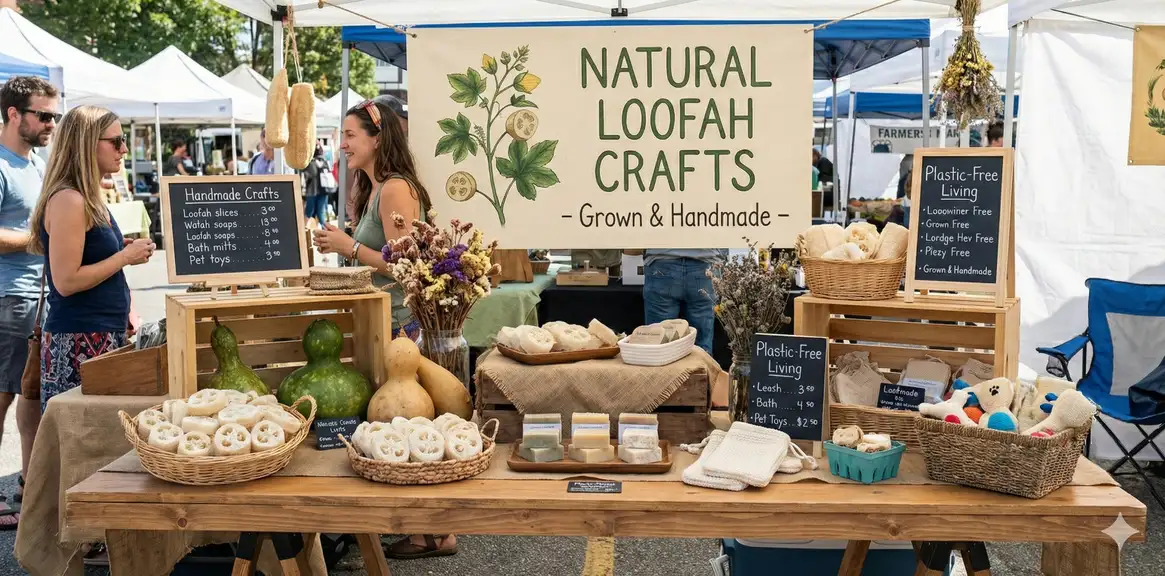
Growing loofahs is rewarding, but transforming them into profitable handmade products takes your hobby to an entirely new level. The eco-friendly movement has created unprecedented demand for natural, sustainable bath and home products, positioning loofah crafts perfectly for entrepreneurial growers and crafters. Whether you're looking to earn extra income from your backyard harvest or build a full-scale crafting business, selling loofah products offers genuine opportunity.
This comprehensive guide walks you through everything needed to successfully sell loofah crafts: identifying profitable products to make and sell, developing pricing strategies, choosing the best sales platforms, creating compelling product photography, and navigating the legal requirements. You'll learn from experienced sellers who've turned their home-grown loofahs into thriving businesses, plus discover the tools and resources that accelerate success. To start with quality seeds, check out our recommendations for beginners.
Essential Business Supplies for Sellers
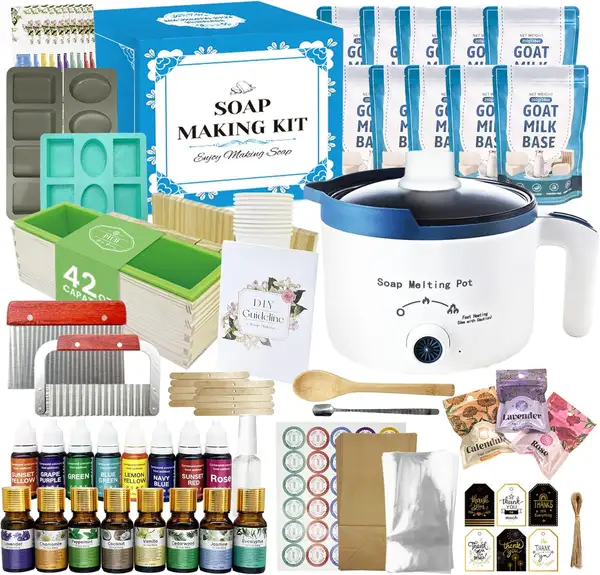
PIUH Complete Goat Milk Soap Making Kit
All-in-one soap making kit with goat milk base, molds, dried flowers, and essential tools. Ideal starter kit for beginners wanting to create loofah soap bars.
Check Price on Amazon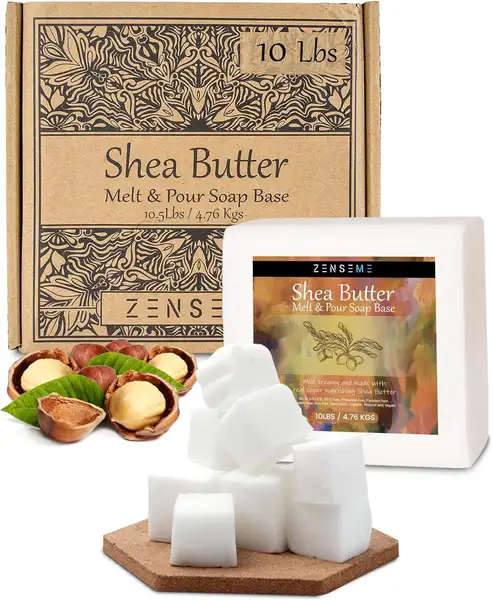
Premium Shea Butter Soap Base (10 lbs)
Premium melt-and-pour soap base enriched with shea butter for extra moisturizing properties. Perfect for embedding loofah slices in luxurious, skin-nourishing bars.
Check Price on AmazonAs an Amazon Associate, we earn from qualifying purchases.
Understanding the Loofah Craft Market
The market for natural loofah products is experiencing significant growth driven by several converging trends. Understanding these market dynamics helps position your products for success and identify the most profitable opportunities.
Consumer demand for sustainable products has skyrocketed, with 73% of millennials willing to pay more for sustainable goods. Loofahs naturally appeal to this eco-conscious demographic as biodegradable, compostable alternatives to synthetic sponges and plastic bath accessories. This trend creates a receptive market for handmade loofah crafts marketed with sustainability messaging.
- Zero-waste movement: Growing interest in plastic-free bathrooms and kitchens drives demand for natural alternatives
- Handmade renaissance: Consumers value artisanal products with authentic stories behind them
- Self-care boom: The wellness industry's growth fuels demand for natural bath and body products
- Gift market expansion: Unique, eco-friendly gift sets command premium prices, especially during holidays
- Farm-to-bath trend: Interest in knowing product origins creates opportunities for growers selling their own harvest
- Social media influence: Instagram and Pinterest aesthetics favor photogenic natural products like loofahs
Your competitive advantage as a small producer lies in authenticity and customization. Unlike mass-produced imports, you can offer locally grown loofahs, unique scent combinations, custom packaging, and personal customer service. Many successful sellers emphasize their "seed to sponge" story, highlighting that they grow, harvest, and craft each product by hand. For those interested in scaling up, consider growing loofah commercially to meet increased demand.
Loofah Products That Sell Well
Not all loofah crafts are equally profitable. Focusing on products with proven market demand, reasonable production costs, and attractive profit margins sets you up for success. Here are the top-performing loofah products based on sales data from Etsy, farmers markets, and direct-to-consumer sellers.
Best-Selling Product Categories
Loofahs embedded in handmade soap represent the highest-volume product category. These combine exfoliation with cleansing in one convenient product, appealing to customers seeking simplicity. Production involves selling handmade soap by slicing processed loofahs into rounds, placing them in molds, and pouring soap around them. Popular varieties include lavender-oatmeal, eucalyptus-mint, charcoal-tea tree, and citrus blends.
Curated gift sets command premium pricing while moving multiple products in a single transaction. Successful sets combine 2-4 complementary items like soap loofahs, exfoliating straps, facial rounds, and natural bath salts or oils. Thoughtful packaging with ribbons, kraft boxes, and informative labels creates perceived value. These perform exceptionally well during holidays, Mother's Day, and wedding season. Learn more about building a gift basket business.
Long loofah straps with handles on both ends for back scrubbing represent a high-margin product requiring minimal materials beyond the loofah itself. Adding cotton rope or fabric handles and attaching care tags creates a finished product customers can't easily replicate. These appeal particularly to spa and wellness enthusiasts.
4. Facial Rounds and Pads ($10-15 for sets of 3-5)
Thin loofah slices (1/4 to 1/2 inch) marketed as gentle facial exfoliators tap into the skincare market. Package them in sets of 3-5 with instructions for use and care. Position them as reusable alternatives to disposable cotton rounds.
5. Kitchen Scrubber Sets ($15-25)
Loofah's natural abrasiveness makes it excellent for dish scrubbing and vegetable cleaning. Kitchen sets typically include 3-5 loofahs in various sizes, sometimes cut into different shapes. Market these as plastic-free, compostable alternatives to synthetic sponges.
6. Whole Processed Loofahs ($5-10 each)
Simply processed, dried, and packaged whole loofahs serve as your foundational product. While profit margins are lower, they require minimal labor and introduce customers to your brand.
- Start with 2-3 core products to perfect before expanding your line
- Create signature scent combinations that become recognizable to customers
- Develop seasonal variations (peppermint for winter, citrus for summer) to encourage repeat purchases
- Test products on friends and family before investing in large batches
- Consider offering custom options (personalized labels, wedding favors) for premium pricing
- Document your process with photos for social media content and brand storytelling
How to Price Loofah Crafts for Profit
Pricing determines both profitability and perception. Price too low and you work for poverty wages while devaluing handmade products; price too high and you price yourself out of the market. Strategic pricing balances covering costs, compensating your time fairly, and remaining competitive.
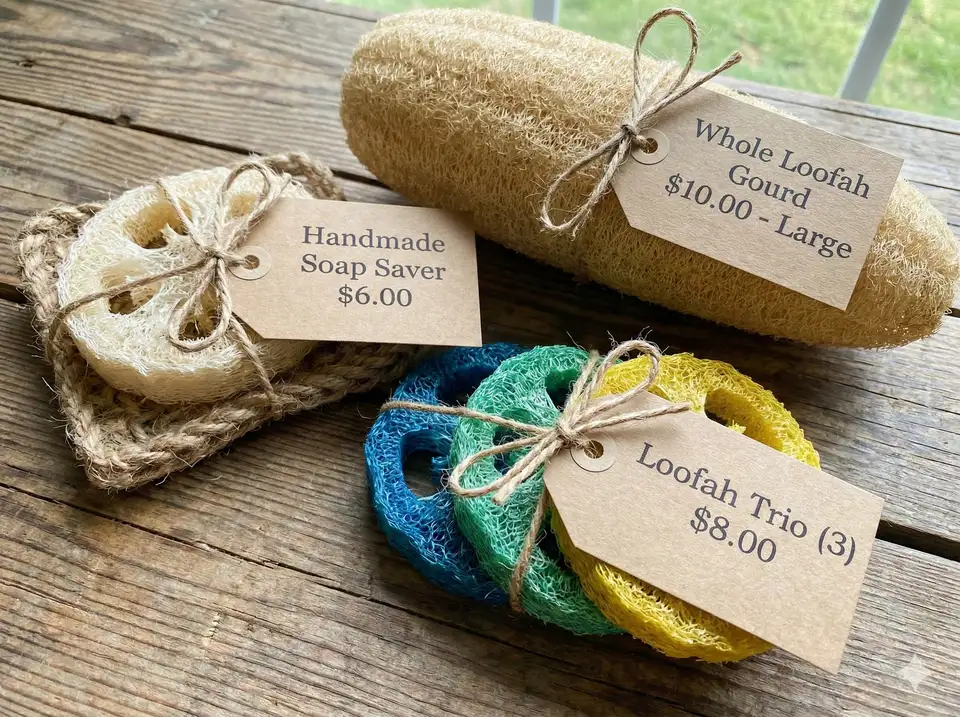
The Pricing Formula
Use this proven formula to calculate sustainable retail prices:
Step 1: Calculate Total Cost per Item
Materials Cost + Labor Cost + Overhead = Total Cost
- Materials: Loofahs, soap ingredients, oils, packaging, labels, ribbons
- Labor: Time spent making product x your desired hourly rate ($15-25/hour typical)
- Overhead: Portion of utilities, equipment depreciation, platform fees (estimate 10-15% of materials + labor)
Step 2: Set Wholesale Price
Total Cost x 2.5 to 3 = Wholesale Price
This multiplier covers your costs, provides profit, and allows room for wholesale opportunities if you later sell to shops or boutiques.
Step 3: Set Retail Price
Wholesale Price x 2 = Retail Price
This final doubling creates your direct-to-consumer price for markets, Etsy, or your website.
Pricing Example: Lavender-Oatmeal Loofah Soap
- Materials: $2.50 (soap base, loofah slice, lavender oil, oatmeal, packaging)
- Labor: $2.50 (10 minutes at $15/hour)
- Overhead: $0.75 (15% of materials + labor)
- Total Cost: $5.75
- Wholesale Price: $14.38 to $17.25 (round to $14-17)
- Retail Price: $28.76 to $34.50 (round to $29-35)
Research competitor pricing on Etsy for similar products. If comparable items sell for $25-30, your $29-35 price point positions you appropriately, especially if you emphasize quality ingredients, local growing, or superior packaging.
- Use charm pricing ($12.99 vs $13) for individual items under $20
- Round numbers ($25, $50) work better for gift sets and premium products
- Offer quantity discounts ("Buy 3, Get 1 Free") to increase average order value
- Create tiered pricing (Basic $15, Deluxe $25, Premium $40) to anchor higher prices
- Don't compete on price alone—emphasize quality, sustainability, and handmade value
- Review and adjust prices annually as material costs and your expertise increase
Best Platforms for Selling Loofah Products
Choosing the right sales channels impacts your profitability, workload, and growth potential. Most successful sellers use multiple platforms simultaneously to maximize reach while diversifying income sources.
Pros: Built-in audience actively seeking handmade items; strong search functionality; relatively low startup costs; established trust and payment processing; excellent for testing products and pricing.
Cons: Transaction fees (6.5% of total including shipping) plus payment processing (3% + $0.25); listing fees ($0.20 per item); high competition requires strong SEO and photography.
Best For: New sellers testing the market; those without websites; artisans seeking passive online income alongside other channels.
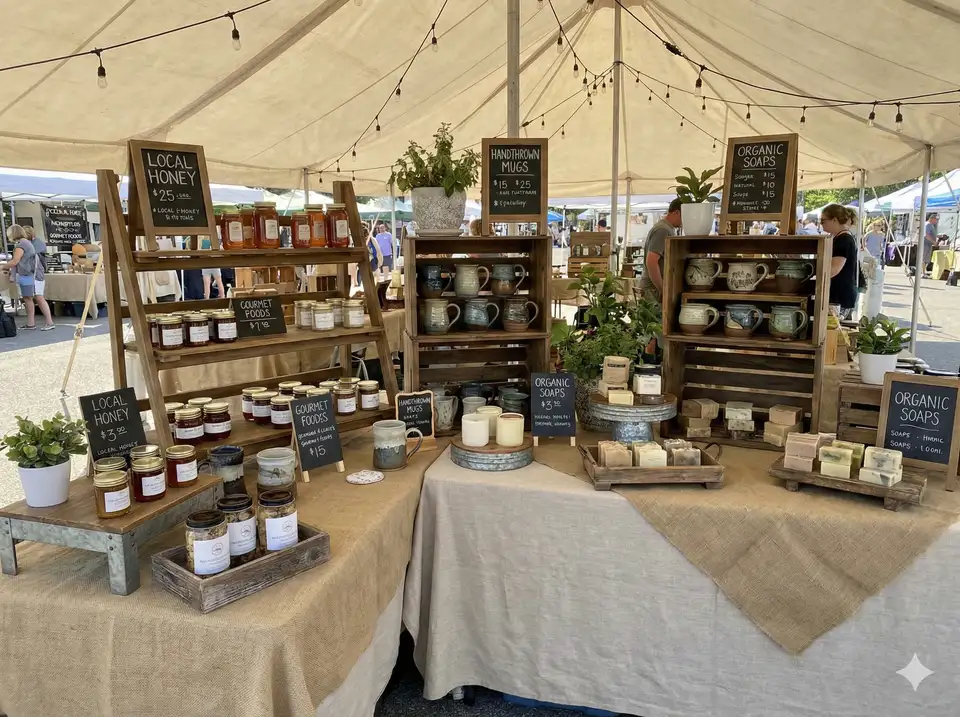
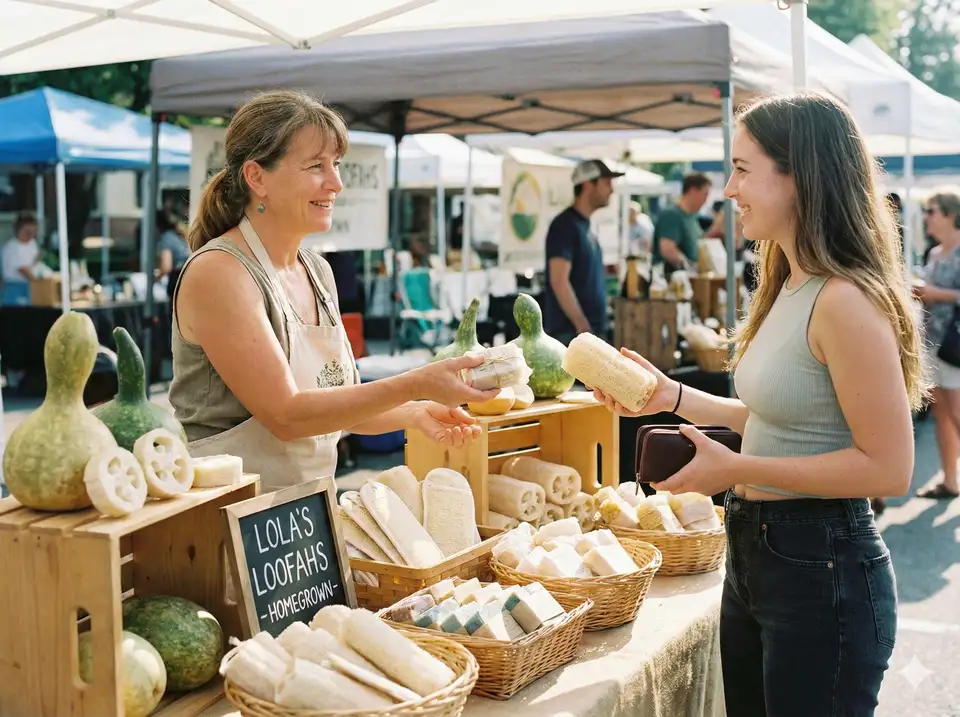
Pros: No platform fees; direct customer feedback and relationship building; higher profit margins; immediate payment; opportunity to educate customers about loofah growing; builds local brand recognition.
Cons: Requires in-person presence (4-6 hours weekly); booth fees ($25-100 per market); weather dependent; limited to local geography; need display setup and tent.
Best For: Sellers who enjoy customer interaction; those testing product-market fit; growers emphasizing the local, farm-grown angle.
Pros: Complete control over branding and customer experience; higher profit margins (no marketplace fees); own customer data and email list; builds long-term business asset; unlimited product listings.
Cons: Requires driving your own traffic through marketing; higher upfront investment (Shopify $29-299/month); need to build trust independently; responsible for all technical aspects.
Best For: Established sellers with existing customer base; those serious about long-term brand building; sellers ready to invest in marketing.
Other Platforms to Consider
Amazon Handmade: Access to massive customer base but intense competition and complex requirements. Better for established sellers with significant inventory. Referral fees around 15%.
Instagram Shopping: Excellent for reaching younger demographics and building engaged community. Requires consistent content creation but allows direct shopping from posts.
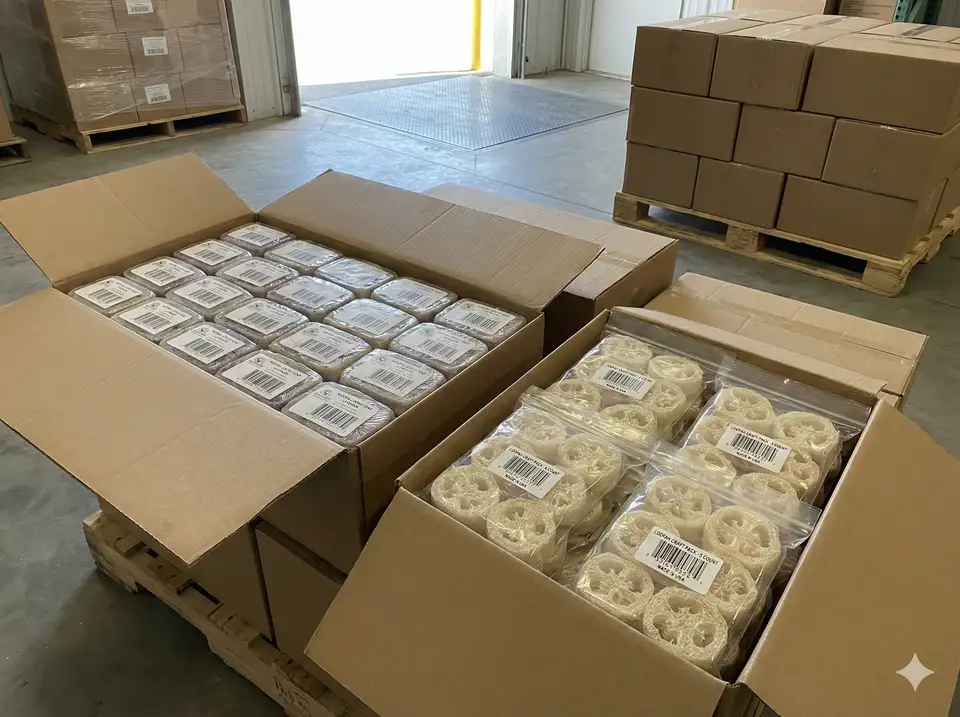
Local Boutiques and Spas: Wholesale opportunities providing steady orders but lower margins (typically 50% of retail). Great for moving volume and gaining credibility.
Craft Shows and Holiday Markets: Seasonal opportunities with higher-spending customers. Booth fees vary widely ($50-500+) but sales can be substantial during peak times.
Professional Photography and Packaging
Online selling succeeds or fails based on visual presentation. Since customers can't touch, smell, or see your products in person, photography carries enormous weight in purchase decisions. Similarly, packaging creates first impressions that influence reviews, repeat purchases, and social media sharing.
Product Photography Essentials
You don't need expensive equipment—many successful sellers use smartphones—but you do need to understand fundamental principles:
Lighting: Natural light is your best friend. Photograph near a large window with indirect sunlight (avoid harsh direct sun that creates hard shadows). Overcast days provide ideal even lighting. For evening shoots, invest in an inexpensive lightbox ($30-50) or continuous LED lights.
Backgrounds: Clean, simple backgrounds keep focus on your product. White, light gray, or natural wood works well. For lifestyle shots, include complementary props like wooden bowls, cotton towels, eucalyptus sprigs, or minimal bathroom settings that suggest use context.
Angles and Variety: Shoot multiple angles including straight-on, 45-degree angle, overhead, and detail shots showing texture. Include size reference (hand holding product, ruler, or common objects). Show packaging and any included items.
Consistency: Maintain consistent style across all product photos for cohesive brand identity. Use the same background, lighting, and editing style so your Etsy shop or Instagram feed looks professionally curated.
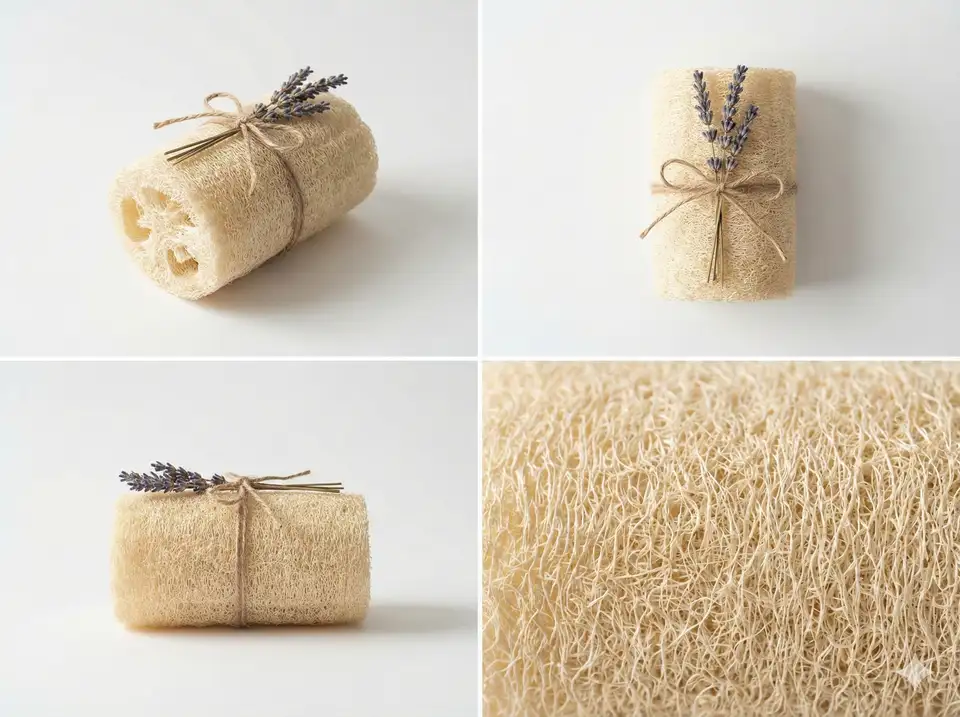
- Photograph products on white background for main listing photo (performs best on Etsy)
- Include lifestyle shots showing products in use or styled in bathroom/kitchen settings
- Edit photos for consistent brightness and color using free tools like Canva or Snapseed
- Show scale by including common objects or measurements in at least one photo
- Capture close-ups highlighting natural loofah texture and craftsmanship details
- Create templated graphics showing ingredients, care instructions, or sustainability facts
- Photograph in batches to maintain consistency and save time
Packaging That Sells
Thoughtful packaging protects products, reinforces brand values, and creates memorable unboxing experiences that generate positive reviews and social shares.
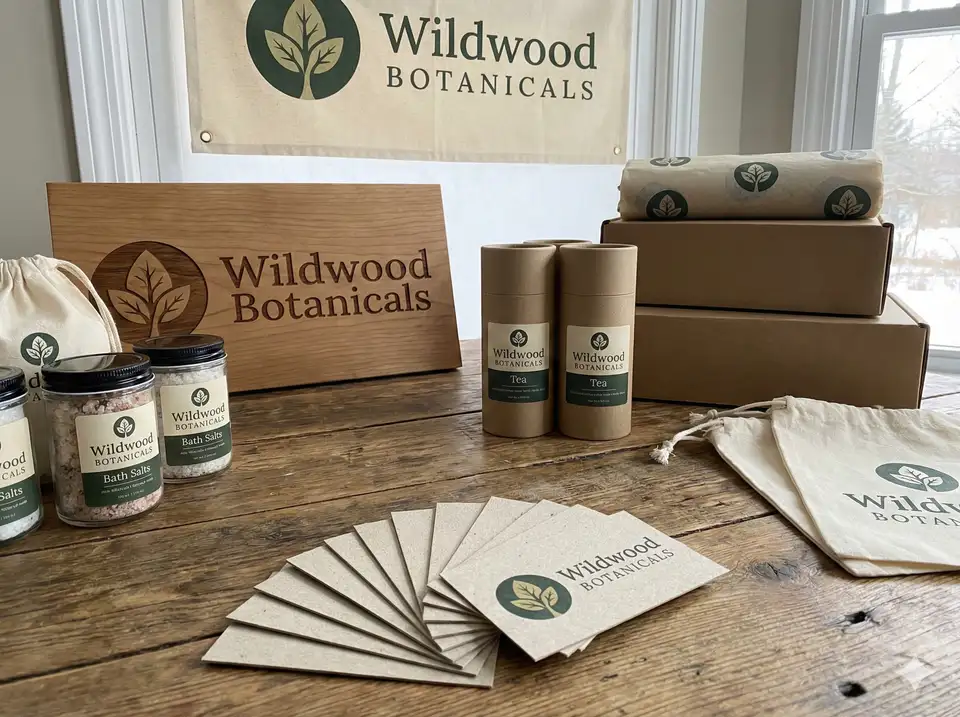
Eco-Friendly Materials: Your packaging should align with loofah products' natural, sustainable positioning. Use kraft paper boxes, recycled cardboard, compostable cellophane, cotton muslin bags, or reusable containers. Avoid plastic whenever possible.
Labeling: Professional labels elevate perceived value. Include your brand name, product name, ingredients (required for soap), care instructions, and sustainability messaging. Vistaprint, Sticker Mule, or Avery templates offer affordable options.
Presentation: Even simple touches create premium feel: twine or ribbon ties, dried flowers, handwritten thank-you notes, or custom stamps on kraft packaging. For gift sets, layer products with crinkle paper or shredded kraft paper in boxes.
Information Cards: Include cards explaining loofah benefits, care instructions, your growing story, or suggestions for use. These educate customers and reduce questions while reinforcing your expertise.
Legal Requirements for Selling Loofah Crafts
Operating legally protects you from fines, lawsuits, and platform account suspension. Requirements vary by location and product type, but these fundamentals apply to most loofah craft businesses.
Business Registration and Licenses
Most jurisdictions require business registration even for small home-based operations. Check your city, county, and state requirements:
- Business license: Required in most areas for anyone selling regularly, even at farmers markets. Costs vary ($50-400 annually)
- DBA (Doing Business As): If operating under a business name different from your legal name
- Sales tax permit: Required for collecting sales tax. Even online sellers must collect tax in many states
- Cottage food license: Some states require this even for soap products if they contain food-grade ingredients
Product Regulations
Soap Regulations: If making loofah soap, understand FDA regulations. True "soap" (made with lye and fats, making no cosmetic claims beyond cleansing) has fewer regulations. Products making moisturizing, healing, or beautifying claims are considered cosmetics and face additional requirements including ingredient labeling and Good Manufacturing Practices.
Labeling Requirements: Soap and cosmetic products must list ingredients in descending order by weight. Labels must include net weight, your business name and address, and any relevant warnings.
Product Liability Insurance: Highly recommended even if not legally required. Protects against lawsuits from product-related injuries or allergic reactions. Costs $300-500 annually for small businesses through providers like RLI or The Hartford.
- Research local business license requirements through your city/county clerk
- Register business name and obtain EIN from IRS (free online)
- Apply for sales tax permit through your state's revenue department
- Review FDA regulations for soap and cosmetics if making soap products
- Create compliant labels with required information and ingredient listings
- Obtain product liability insurance before first sale
- Keep detailed records of all ingredients, suppliers, and production dates
- File appropriate tax returns (quarterly sales tax, annual income tax)
- Consider forming LLC for additional liability protection as business grows
Taxes and Record Keeping
Maintain meticulous records of all expenses (materials, equipment, booth fees, mileage), income, and inventory. Use accounting software like QuickBooks Self-Employed or Wave (free) to simplify tax preparation. Remember that even small side businesses must report income and pay self-employment tax.
Deductible expenses typically include materials, packaging, equipment, portion of home used exclusively for business, mileage to markets or post office, online platform fees, and education related to your craft. Consult a tax professional familiar with small businesses to maximize deductions and ensure compliance.
Marketing Your Loofah Craft Business
Quality products and competitive pricing mean nothing without effective marketing. Building visibility and trust requires consistent effort across multiple channels, but you don't need a large budget to succeed.
Social Media Strategy
Instagram: The visual nature makes Instagram ideal for loofah products. Post 3-5 times weekly mixing product photos, behind-the-scenes growing/crafting content, customer testimonials, educational content about loofah benefits, and lifestyle images. Use relevant hashtags (#zerowaste, #naturalloofah, #ecofriendly, #handmadesoap, #sustainableliving) and engage authentically with your community.
Pinterest: Create pins linking to your Etsy shop or website for each product. Pinterest functions as a visual search engine, driving long-term traffic. Focus on high-quality vertical images (2:3 ratio) with text overlays describing products. Create boards about sustainable living, natural skincare, and eco-friendly gifts.
Facebook: Join local community groups and eco-friendly lifestyle groups. Share valuable content rather than constant promotion. Host Facebook Live sessions showing how you process loofahs or make soap. Create events for markets and craft shows.
Content Marketing
Establish authority and attract organic search traffic by creating valuable content. Consider starting a simple blog on your website covering topics like:
- How to grow and process your own loofahs
- Benefits of natural loofahs vs. synthetic sponges
- Sustainable bathroom swaps for zero-waste living
- Gift guides featuring your products
- Behind-the-scenes of your small business journey
Email Marketing
Build an email list from day one. Collect addresses at farmers markets with signup sheets offering 10% off first online order. Create a simple lead magnet like "5 Ways to Use Natural Loofahs" or "Complete Guide to Zero-Waste Bathroom" to encourage website signups.
Send monthly newsletters featuring new products, restocks, seasonal offerings, loofah care tips, and exclusive discounts. Email marketing consistently delivers the highest ROI for small businesses, with average returns of $36 for every $1 spent.
- Collaborate with complementary businesses (natural soap makers, zero-waste shops) for cross-promotion
- Offer products to local influencers in exchange for honest reviews and social media posts
- Participate in online eco-friendly communities providing value, not just promoting
- Create unboxing-worthy packaging that encourages customer photos and tags
- Run seasonal promotions tied to Earth Day, plastic-free July, or holiday gift-giving
- Encourage reviews by including thank-you notes asking satisfied customers to share feedback
- Host DIY workshops teaching loofah growing or soap making to build community and awareness
Frequently Asked Questions
Income from loofah crafts varies widely based on product type, pricing, and sales volume. Beginning sellers typically earn $200-500 monthly as a side hustle, selling 20-50 items at markets or online. Established sellers focusing on premium products like spa gift sets can earn $1,000-3,000+ monthly. Factors affecting income include product quality, photography, marketing effort, and chosen platforms. Many sellers start part-time and scale based on demand, with some eventually transitioning to full-time businesses grossing $50,000+ annually.
Top-selling loofah products include: soap-embedded loofahs ($8-15 each) which combine exfoliation and cleansing; loofah soap bars with natural ingredients like lavender or charcoal; exfoliating back straps ($12-20); facial rounds and pads ($10-15 for sets); loofah bath gift sets ($25-50) popular for holidays and occasions; kitchen scrubber sets ($15-25) marketed as eco-friendly alternatives; and spa kits with multiple items ($30-60). Products emphasizing eco-friendly, zero-waste, and natural skincare benefits perform best with today's conscious consumers.
The best platforms depend on your goals. Etsy is ideal for handmade crafts with built-in eco-conscious buyers, though it charges 6.5% transaction fees plus $0.20 listing fees. Local farmers markets offer direct customer connection and higher margins but require in-person presence. Amazon Handmade provides massive reach but higher competition and 15% fees. Your own website via Shopify offers full control and higher long-term profits but requires driving your own traffic. Many successful sellers use multiple platforms simultaneously—Etsy for discovery, markets for local relationships, and their website for repeat customers.
Legal requirements vary by location and product type. Most jurisdictions require a business license for regular selling, even as a hobby or at farmers markets. If making loofah soaps containing lye, you may need cosmetic manufacturing permits and must comply with FDA labeling requirements. Check your local cottage food laws and cosmetic regulations. Obtain product liability insurance ($300-500 annually) to protect against potential claims. Keep detailed records of ingredients, suppliers, and production dates. Sales tax permits are typically required for collecting sales tax. Consult a local small business attorney or your Small Business Development Center for specific requirements in your area.
Calculate pricing using this formula: (Materials Cost + Labor Cost + Overhead) x 2.5-3 = Wholesale Price, then Wholesale x 2 = Retail Price. For example, a loofah soap costing $3 in materials, $5 labor (20 minutes at $15/hour), and $1 overhead ($9 total) should retail for $22-27. Research competitor pricing on Etsy for similar products and adjust for your unique value proposition. Premium positioning with superior photography, packaging, and branding justifies higher prices. Remember to factor in platform fees (Etsy charges 6.5%, Shopify charges monthly fees) and shipping costs when setting final prices.
Scaling Your Business
As your loofah craft business grows, you'll need to think about processing at scale to meet demand efficiently. This includes streamlining your production process, potentially sourcing loofahs from other growers, and investing in better equipment.
Consider growing craft supplies yourself to ensure quality control and reduce costs. Growing your own loofahs also provides an authentic story that resonates with eco-conscious customers who value farm-to-product transparency.
Conclusion: Building Your Loofah Craft Business
Selling loofah crafts offers genuine opportunity for motivated growers and makers willing to invest time in product development, branding, and marketing. The convergence of eco-conscious consumer trends, growing maker economy, and accessible selling platforms creates favorable conditions for small producers entering this niche market.
Success requires more than just growing loofahs and making soap. You must develop products that solve problems or fulfill desires, price them sustainably, present them professionally through photography and packaging, choose appropriate sales channels, and market consistently to build awareness. Legal compliance and proper business practices protect your investment and enable growth.
Start small with 2-3 core products, test them at local markets or on Etsy, gather customer feedback, and refine your offering. As you develop systems for production, photography, and fulfillment, you can scale intentionally. Many successful loofah craft businesses began exactly where you are now—with a harvest of home-grown loofahs and a vision for turning them into something special.
The journey from growing your first loofah to running a profitable craft business may seem daunting, but breaking it into manageable steps makes it achievable. Focus on creating exceptional products that reflect your values, tell your authentic story, and serve customers seeking sustainable alternatives. With persistence, creativity, and smart business practices, your loofah side hustle can flourish into a rewarding venture both financially and personally.