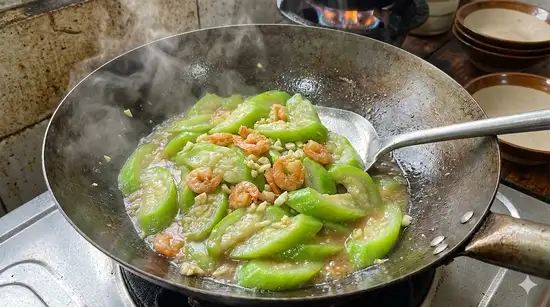
Luffa gourd, known as sigua (丝瓜) or si gua in Mandarin and seegwa in Cantonese, holds a cherished place in Chinese culinary traditions spanning centuries. This versatile vegetable appears in everything from simple home-cooked stir-fries to elaborate banquet soups, prized for its delicate flavor and unique ability to absorb seasonings while maintaining a pleasant, slightly crisp texture. For a broader perspective on luffa in world cuisines, explore our complete cooking guide.
Chinese cooking methods showcase luffa's versatility better than perhaps any other cuisine. Whether you're exploring authentic Cantonese techniques, discovering the fiery preparations of Sichuan province, or mastering traditional soup recipes, understanding how to cook sigua opens up a world of delicious, healthy dishes. This guide covers everything you need to know about preparing luffa the Chinese way.
Recommended Products for Chinese Cooking
Babish Carbon Steel Flat Bottom Wok (14-Inch)
Restaurant-quality wok for authentic luffa stir-fry - works on all stovetops including induction
Check Price on AmazonAs an Amazon Associate, we earn from qualifying purchases.
Luffa in Chinese Cuisine: The Story of Sigua (丝瓜)
In Chinese culinary culture, luffa occupies a special place as a summer vegetable that provides cooling properties according to traditional Chinese medicine. The name "sigua" literally means "silk gourd," referring to the fibrous interior that becomes visible when the vegetable matures—the same fibers eventually harvested as natural loofahs.
However, for culinary purposes, Chinese cooks harvest luffa while still young and tender, typically 4-8 inches long. At this stage, the flesh is soft, the seeds are immature and edible, and the vegetable offers a mild, slightly sweet flavor reminiscent of zucchini with a hint of cucumber.
Regional Importance
Luffa appears throughout Chinese regional cuisines with particular prominence in:
- Southern China (Guangdong/Canton): Simple stir-fries with garlic showcase the vegetable's natural sweetness
- Sichuan Province: Spicy preparations with chili oil and Sichuan peppercorns
- Jiangsu & Zhejiang: Light soups and steamed dishes emphasizing delicate flavors
- Hong Kong: Dim sum preparations and tea house specialties
Chinese culinary traditions share many similarities with other East Asian traditions in how they approach luffa preparation.
- Smooth luffa (水瓜): Cylindrical with smooth, dark green skin; more common in northern China
- Ridged luffa (丝瓜): Angular with pronounced ridges; preferred in southern China and most common in U.S. Asian markets
- Both types are used interchangeably in recipes, though ridged luffa requires more thorough peeling
- Smooth luffa tends to be slightly sweeter, while ridged luffa has a more pronounced texture
Cantonese Luffa Recipes
Cantonese cuisine celebrates luffa's natural sweetness through simple preparations that highlight fresh ingredients. The Cantonese philosophy of "wok hei" (breath of the wok) applies perfectly to sigua, which benefits from quick, high-heat cooking that preserves its delicate texture.
Ingredients:
- 2 medium luffa (about 1 lb), peeled and cut into diagonal slices
- 4-5 cloves garlic, minced
- 2 tablespoons vegetable or peanut oil
- 1 tablespoon Shaoxing wine (Chinese cooking wine)
- 1/2 teaspoon salt
- 1/4 teaspoon white pepper
- 1/2 cup chicken or vegetable broth
- 1 teaspoon cornstarch mixed with 1 tablespoon water (optional)
Method: Heat wok until smoking, add oil and garlic, stir-fry for 30 seconds until fragrant. Add luffa and stir-fry for 2 minutes. Add wine, salt, pepper, and broth. Cover and cook 2-3 minutes until tender. Thicken with cornstarch slurry if desired. Serve immediately.
Ingredients:
- 2 medium luffa, peeled and sliced
- 2 tablespoons dried shrimp, soaked in warm water for 15 minutes
- 3 cloves garlic, minced
- 2 tablespoons oil
- 1 tablespoon oyster sauce
- Salt and white pepper to taste
Method: Drain dried shrimp and reserve soaking liquid. Heat oil, stir-fry shrimp and garlic until fragrant. Add luffa, stir-fry 2 minutes. Add 1/4 cup shrimp soaking water and oyster sauce. Cook covered 3-4 minutes until tender. The dried shrimp adds umami depth that complements luffa's mild flavor beautifully.
These Cantonese preparations form the foundation of Chinese luffa cooking. The key is maintaining high heat while avoiding overcooking—luffa should retain some texture rather than becoming mushy. For more techniques, explore our classic Chinese stir fry recipe collection.

Sichuan-Style Luffa Dishes
Sichuan cuisine brings bold, complex flavors to luffa through its signature mala (numbing-spicy) flavor profile. The cooling properties of luffa according to traditional Chinese medicine actually balance beautifully with Sichuan's fiery seasonings.
Key Ingredients:
- 2 medium luffa, peeled and cut into chunks
- 2 tablespoons Sichuan chili oil (辣椒油)
- 1 teaspoon Sichuan peppercorns, lightly crushed
- 3-4 dried red chilies, cut into sections
- 3 cloves garlic, minced
- 1 tablespoon doubanjiang (Sichuan fermented bean paste)
- 1 tablespoon soy sauce
- 1 teaspoon black vinegar
- Fresh cilantro for garnish
Cooking technique: Toast Sichuan peppercorns and dried chilies in dry wok until fragrant. Add chili oil, garlic, and doubanjiang, stir-fry 30 seconds. Add luffa and cook over high heat 3-4 minutes. Season with soy sauce and vinegar. The numbing sensation from peppercorns creates a complex flavor experience.
- Toast spices first: Dry-toasting Sichuan peppercorns and dried chilies releases their essential oils and intensifies flavor
- Control the heat: Adjust chili oil and doubanjiang amounts to your preference; start with less if heat-sensitive
- Add acid at the end: Black vinegar or Chinese black rice vinegar brightens the dish and cuts through rich, spicy flavors
- Serve with rice: The cooling properties of luffa and steamed rice balance Sichuan's intense flavors perfectly
Luffa with Glass Noodles (粉丝丝瓜)
This beloved home-style dish combines luffa with mung bean glass noodles (also called cellophane noodles or bean thread noodles). The noodles absorb the sweet juices released by the luffa, creating a harmonious, comforting dish that appears on family dinner tables throughout China.

Ingredients:
- 2 medium luffa, peeled and cut into thick slices
- 100g (3.5 oz) mung bean glass noodles, soaked until soft
- 4-5 cloves garlic, minced
- 2 tablespoons oil
- 1 tablespoon light soy sauce
- 1 cup chicken or vegetable broth
- Salt and white pepper to taste
- Optional: 1 tablespoon dried shrimp, 2 eggs
Preparation: Soak glass noodles in warm water 15-20 minutes until soft, drain and cut into shorter lengths. Heat oil and stir-fry garlic until fragrant. Add luffa, cook 2 minutes. Add drained noodles, soy sauce, and broth. Cover and simmer 5-6 minutes until luffa is tender and noodles have absorbed the flavorful liquid. The noodles should be translucent and slippery.
Variations
- With eggs: Push ingredients to the side, scramble 2 beaten eggs in the wok, then mix everything together—a popular home-style Chinese cooking method
- Seafood version: Add dried shrimp or small fresh shrimp for extra umami
- Vegetarian/vegan: Use vegetable broth and add shiitake mushrooms for depth
- Spicy version: Add chili garlic sauce or fresh chili peppers
Chinese Luffa Soup Recipes
Luffa's spongy texture makes it exceptional in soups, where it absorbs flavorful broths while releasing its own subtle sweetness. Chinese soup traditions feature luffa in everything from simple egg drop soups to elaborate double-boiled medicinal broths. For more variations, see our complete Chinese soup recipes collection.
Ingredients:
- 1 large luffa, peeled and cut into chunks
- 2 eggs, beaten
- 4 cups chicken or vegetable broth
- 2 cloves garlic, smashed
- 1 tablespoon ginger, sliced
- Salt and white pepper
- 1 teaspoon sesame oil
- Scallions for garnish
Method: Bring broth to boil with garlic and ginger. Add luffa, simmer 5-6 minutes until tender. Remove ginger and garlic. Slowly drizzle beaten eggs while stirring gently to create egg ribbons. Season with salt and pepper. Finish with sesame oil and scallions. This light, nourishing soup is perfect for summer.
A nutritious vegetarian soup combining silken tofu with luffa in a delicate broth. Cut luffa into half-moons and tofu into cubes. Simmer in vegetable broth with shiitake mushrooms, goji berries, and a touch of white pepper. This combination is considered particularly beneficial in traditional Chinese medicine for cooling the body and supporting digestive health.
Luffa in Dim Sum
In Cantonese dim sum culture, luffa appears in several traditional preparations, particularly steamed dishes that highlight the vegetable's delicate flavor and tender texture. Traditional stuffed dishes are especially popular in tea houses.
Preparation:
- Peel luffa and cut into thick rounds or chunks
- Arrange on a heatproof plate
- Top with minced garlic mixed with a little oil and salt
- Optional: add small dried shrimp or scallops
- Steam over high heat for 8-10 minutes
- Drizzle with hot oil and light soy sauce before serving
This simple preparation allows luffa's natural sweetness to shine. The steaming method preserves nutrients while creating a tender, almost buttery texture.
Other Dim Sum Preparations
- Luffa dumplings: Minced luffa mixed with pork or mushrooms as dumpling filling
- Luffa rice rolls (cheung fun): Stir-fried luffa wrapped in silky rice noodle sheets
- Luffa in congee: Added to rice porridge with century egg or preserved egg
Traditional Chinese Cooking Techniques for Luffa
Mastering Chinese cooking techniques ensures you get the best texture and flavor from luffa every time.
Essential Preparation
- Peeling ridged luffa: Use a vegetable peeler to remove all the ridges and darker green skin, leaving only light green flesh
- Diagonal slicing (滚刀块): Roll the luffa a quarter turn between each diagonal cut—this traditional Chinese cutting technique creates more surface area for absorbing flavors
- Preventing discoloration: Unlike some vegetables, luffa doesn't oxidize quickly, but cook soon after cutting for best texture
- Don't oversoak: Some recipes recommend soaking in salt water, but this isn't necessary for young, tender luffa
Wok Cooking Principles
- High heat is essential: Chinese restaurants use extremely high heat; home cooks should use the highest setting
- Preheat the wok: Heat until a drop of water evaporates immediately on contact
- Oil temperature: Add oil and heat until it shimmers but doesn't smoke
- Add ingredients in order: Aromatics (garlic, ginger) first, then luffa, then liquids
- Keep ingredients moving: Constant stirring prevents burning and ensures even cooking
- Don't overcook: Luffa should be tender but still have some texture, not mushy—usually 3-5 minutes total
Flavor Building
Chinese cooking uses layers of flavor to make luffa shine:
- Aromatics: Garlic and ginger form the foundation; add them to hot oil first
- Shaoxing wine: A splash adds depth and helps tenderize while cooking off harsh alcohol notes
- Umami boosters: Oyster sauce, soy sauce, dried shrimp, or fermented bean paste add savory depth
- Final touches: Sesame oil added at the end provides aromatic finish without burning
- The juice is the best part: Luffa releases sweet, flavorful liquid when cooked—don't drain it! Instead, use it as a light sauce or add cornstarch slurry to thicken
- Covered cooking: After initial stir-frying, covering the wok for 2-3 minutes helps luffa cook through while retaining moisture
- Velveting for meat combinations: If adding chicken or pork, velvet the meat first (marinate with cornstarch and egg white) for tender results
- Season progressively: Add salt in stages—too much early draws out moisture too quickly
Where to Buy Luffa for Chinese Cooking
Finding fresh, quality luffa suitable for Chinese recipes requires knowing where to look and what to seek.
Where to Find Fresh Luffa
- Asian markets: Chinese, Vietnamese, and other Asian grocery stores regularly stock fresh luffa, especially in summer months
- Chinese supermarkets: Look in the produce section; luffa may be labeled as "sigua," "Chinese okra," or "angled luffa"
- Farmers markets: Vendors specializing in Asian vegetables often carry luffa during growing season (summer through early fall)
- Growing your own: The most reliable source! Luffa grows easily in warm climates
Selecting Quality Luffa
- Size: Choose luffa 4-8 inches long for optimal tenderness; avoid larger ones which become fibrous
- Color: Bright, vibrant green with no yellowing (yellow = overripe and fibrous)
- Firmness: Should feel firm but yield slightly to gentle pressure
- Weight: Heavy for its size indicates good moisture content and freshness
- Skin condition: Look for intact skin without soft spots, bruises, or extensive blemishes
- The fuzz is fine: Young luffa may have fine fuzzy hair—this is normal and edible, removed during peeling
Storage Tips
- Refrigeration: Store unwashed in a plastic bag in the crisper for up to 5-7 days
- Don't wash before storing: Moisture promotes mold; wash just before use
- Use quickly: Unlike winter squash, luffa is best used fresh within a week
- Freezing: Blanch sliced luffa 2 minutes, cool in ice water, drain, and freeze for up to 3 months (texture will be softer, best for soups)
Frequently Asked Questions
Sigua (丝瓜) is the Chinese name for luffa gourd, a popular vegetable in Chinese cuisine. It's commonly used in Cantonese, Sichuan, and other regional Chinese cooking styles, particularly in stir-fries, soups, and dim sum dishes. The name translates to "silk gourd," referring to the fibrous interior that develops when mature.
For Chinese cooking, peel the ridged skin off young luffa with a vegetable peeler, removing all the dark green ridges to reveal light green flesh. Then cut into diagonal slices (rolling a quarter turn between cuts) or chunks depending on your recipe. The vegetable should be firm and bright green. Cook quickly over high heat to preserve its tender texture.
Popular Chinese luffa recipes include Cantonese-style stir-fried sigua with garlic, luffa with glass noodles (粉丝丝瓜), Sichuan spicy luffa with chili oil and peppercorns, luffa egg drop soup, steamed luffa with garlic and dried shrimp, and luffa tofu soup. Each regional cuisine brings its own flavor profile to this versatile vegetable.
Luffa cooks very quickly—typically 3-5 minutes for stir-fries over high heat, or 8-10 minutes for steaming. Overcooking makes it mushy and releases too much liquid. The goal is tender but still slightly crisp texture. For soups, add luffa toward the end of cooking, simmering just 5-6 minutes.