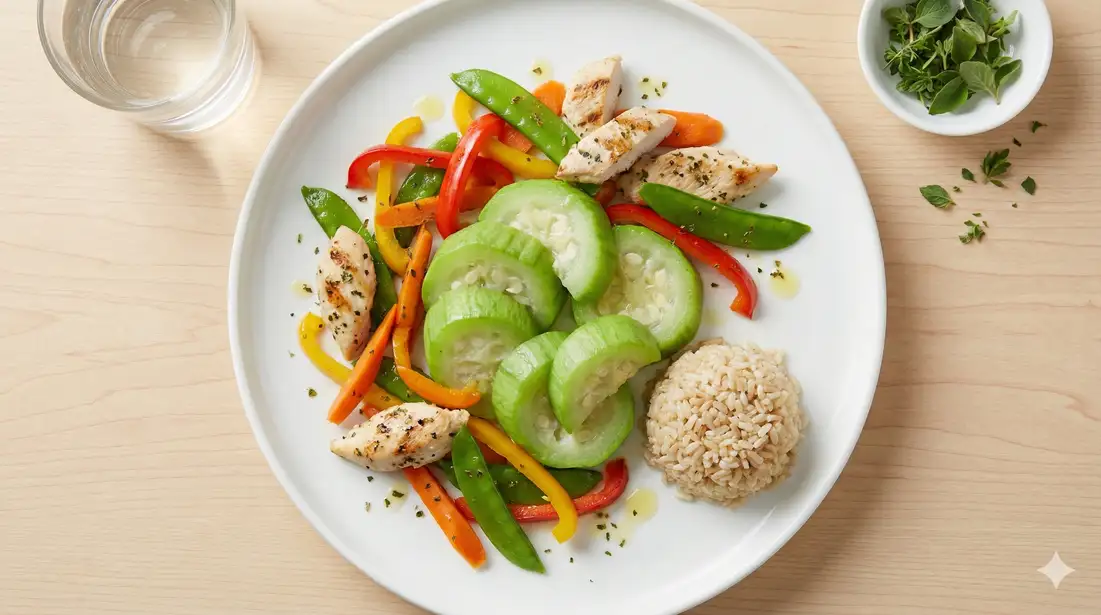
If you're looking for a vegetable that can help you achieve your weight loss goals without sacrificing volume or satisfaction, luffa (also spelled loofah) deserves a spot in your kitchen. This mild-flavored Asian gourd is remarkably low in calories while providing essential nutrients and fiber that support healthy weight management.
In this comprehensive guide, you'll discover the exact calorie count of luffa, why it's so effective for weight loss, how it compares to other diet-friendly vegetables, and the best healthy cooking methods to maximize its benefits. If you're new to this vegetable, start by learning about adding luffa to your diet.
Recommended Kitchen Tools for Healthy Cooking

Babish Carbon Steel Flat Bottom Wok (14-Inch)
Restaurant-quality wok for authentic luffa stir-fry - works on all stovetops including induction
Check Price on AmazonAs an Amazon Associate, we earn from qualifying purchases.
How Many Calories in Luffa?
Understanding the calorie content of luffa is essential for anyone tracking their food intake or following a calorie-controlled diet. For a complete nutritional profile, check our detailed nutrition guide.
Exact Calorie Breakdown
Fresh, raw luffa contains approximately:
- 20 calories per 100g (about 3/4 cup sliced)
- 14 calories per medium slice (70g)
- 40 calories per cup (200g sliced)
- 60 calories for an entire medium luffa (300g)
This remarkably low calorie count puts luffa in the same category as celery, cucumber, and lettuce. For context, you could eat an entire pound of luffa (454g) for less than 100 calories—fewer calories than a single tablespoon of peanut butter.
Nutritional Profile Beyond Calories
While luffa is extremely low in calories, it's not nutritionally empty. A 100g serving provides valuable nutrients including 4.35g of carbohydrates (with 1.2g fiber), 1.2g of protein, and only 0.2g of fat. At 94% water content, it's incredibly hydrating. You'll also get 8mg of Vitamin C (13% daily value), 139mg of potassium, and small amounts of Vitamin A from beta-carotene.
Why Luffa Is Great for Weight Loss
Luffa's effectiveness for weight loss goes far beyond its minimal calorie content. Here's why nutritionists and dietitians recommend this vegetable for people trying to lose weight.
At 94% water, luffa is one of the most hydrating vegetables available. This high water content means you can eat large portions that fill your stomach without consuming many calories. The physical volume of food in your stomach helps trigger satiety signals, making you feel satisfied with fewer calories consumed.
With 1.2g of dietary fiber per 100g serving, luffa helps slow digestion and promotes feelings of fullness that last longer than low-fiber foods. Fiber also supports healthy gut bacteria, which emerging research suggests may play a role in weight management.
Energy density refers to the number of calories in a given weight of food. Luffa has an extremely low energy density of just 0.2 calories per gram. This means you can eat generous portions without exceeding your daily calorie goals. Studies show that people who eat low-energy-dense foods naturally consume fewer calories while feeling just as satisfied.
Luffa's subtle, slightly sweet flavor makes it incredibly versatile without requiring heavy sauces, oils, or seasonings. This adaptability allows you to prepare delicious meals using low-calorie cooking methods like steaming, boiling, or light stir-frying. Unlike "empty calorie" foods, luffa provides essential vitamins, minerals, and antioxidants—crucial during weight loss when you need to make every bite count nutritionally.
Luffa vs Other Low-Calorie Vegetables
How does luffa compare to other vegetables commonly recommended for weight loss? When comparing low-calorie vegetables, luffa holds its own among the lowest-calorie options.
| Vegetable | Calories per 100g | Water Content | Fiber (g) |
|---|---|---|---|
| Luffa | 20 | 94% | 1.2 |
| Cucumber | 16 | 95% | 0.5 |
| Celery | 14 | 95% | 1.6 |
| Zucchini | 17 | 95% | 1.0 |
| Lettuce (iceberg) | 14 | 96% | 1.2 |
| Tomato | 18 | 95% | 1.2 |
| Bell Pepper | 31 | 92% | 2.1 |
| Broccoli | 34 | 89% | 2.6 |
While cucumber, celery, and lettuce have slightly fewer calories, luffa offers better cooking versatility. Unlike raw salad vegetables, luffa becomes tender and delicious when cooked, making it suitable for hot dishes, soups, and stir-fries. Compared to zucchini, luffa has a similar calorie count but a unique texture that absorbs flavors beautifully in Asian-style preparations.
Low-Calorie Luffa Recipes
The key to maintaining luffa's low-calorie advantage is choosing preparation methods that don't add excessive fats or oils. Here are three delicious, weight-loss-friendly recipes.
A nourishing, broth-based soup that highlights luffa's delicate texture. Combine 2 cups sliced luffa, 4 cups low-sodium vegetable broth, 1 cup mushrooms, 2 cloves minced garlic, and 1 tsp grated ginger. Simmer for 15 minutes and garnish with green onions and cilantro. Total for entire pot: 150 calories. For more low-calorie soup options, explore our soup recipe collection.
A simple, flavorful side dish with minimal added calories. Peel and slice 2 medium luffa, steam for 8 minutes until tender, then toss with 3 cloves minced garlic, 1 tsp sesame oil, and 1 tbsp low-sodium soy sauce. Garnish with fresh cilantro. This dish proves that healthy eating doesn't have to be bland.
A colorful, satisfying dish with minimal oil. Quick stir-fry 2 cups sliced luffa with 2 medium diced tomatoes, 2 cloves garlic, and 1 tbsp cooking oil over high heat for 5-7 minutes. Season with salt and pepper. For more variations, explore our light vegetable dishes collection.
How to Cook Luffa Without Adding Calories
The cooking method you choose can dramatically impact the final calorie count of your luffa dish. Here are the best low-calorie cooking techniques.
Steaming (0 added calories) is the ultimate low-calorie cooking method. It requires no oil or fat and preserves luffa's nutrients and natural flavor. Steam sliced luffa for 6-8 minutes until tender, then season with herbs, spices, or a splash of low-sodium soy sauce.
Boiling in soup is an excellent way to create filling, low-calorie meals. The luffa absorbs the soup's flavors while adding volume and texture. Use vegetable, chicken, or miso broth as your base for minimal added calories.
Light stir-frying can work if you use these calorie-saving strategies: use cooking spray instead of pouring oil (saves about 100 calories per tablespoon), measure oil precisely (1 teaspoon instead of 1 tablespoon saves 80 calories), use a non-stick pan to reduce oil needed, add water or broth to prevent sticking instead of more oil, and cook over high heat quickly to prevent luffa from absorbing too much oil.
Grilling or roasting with spray oil offers a different flavor profile. The high heat caramelizes the natural sugars, creating depth of flavor without heavy sauces.
- Deep-frying: Adds 300-500 calories from absorbed oil
- Heavy sauces: Cream-based or high-sugar sauces add 100-200 calories per serving
- Excessive oil: Even healthy oils are calorie-dense at 120 calories per tablespoon
- Coconut milk: While delicious in curries, adds 100+ calories per 1/4 cup
Luffa in a Calorie-Controlled Diet
Incorporating luffa into various diet plans is straightforward thanks to its nutritional flexibility. Here's how luffa fits into popular weight loss approaches.
On very low-calorie diets (1200-1500 calories/day), every calorie must deliver nutritional value. Luffa excels here because you can eat large portions (increasing satiety) while consuming minimal calories. A full cup of cooked luffa uses only 40 calories of your daily budget.
The Volumetrics diet, developed by Dr. Barbara Rolls, emphasizes eating larger portions of low-calorie-density foods. Luffa is a perfect Volumetrics food with its high water content and low calorie density of 0.2 calories per gram.
With only 4.35g of carbohydrates per 100g serving (and 1.2g of fiber), luffa provides just 3.15g of net carbs, making it suitable for low-carb and keto diets, though it should still be portioned appropriately on very strict keto protocols.
For those following plant-based weight loss plans, luffa offers variety beyond the usual zucchini, eggplant, and mushrooms. Its ability to absorb flavors makes it an excellent vehicle for plant-based seasonings and spices.
Meal Prep Ideas with Luffa
Meal prepping with luffa requires some consideration since cooked luffa doesn't store quite as well as some other vegetables. The best approach is to prep ingredients but cook fresh—peel and slice luffa ahead of time, but cook it on the day you plan to eat it for best texture. Blanched luffa freezes reasonably well for soups and stews, and cooked luffa stays good in the refrigerator for 2-3 days when stored properly in airtight containers.
Weekly Low-Calorie Luffa Meal Plan Example
Here's a sample week incorporating luffa into a calorie-controlled diet:
- Monday: Luffa and tomato stir-fry with brown rice (65 cal from luffa, total meal 350 cal)
- Tuesday: Light luffa soup with side salad (45 cal from luffa, total meal 200 cal)
- Wednesday: Steamed luffa with garlic alongside grilled chicken (35 cal from luffa, total meal 280 cal)
- Thursday: Luffa and vegetable curry with cauliflower rice (60 cal from luffa, total meal 320 cal)
- Friday: Miso soup with luffa and tofu (30 cal from luffa, total meal 180 cal)
This variety ensures you don't get bored while consistently including low-calorie, filling vegetables in your diet.

Tips for Buying and Storing Luffa
To get the best nutritional value and lowest calorie count, select fresh, young luffa.
Selecting Fresh Luffa
- Choose smaller, younger luffa (8-10 inches) for the most tender texture
- Look for bright green color without yellowing or dark spots
- Skin should feel slightly fuzzy but not rough or hard
- Luffa should feel firm but not rock-hard when gently squeezed
- Avoid oversized luffa which can be fibrous and bitter
Storage Tips
- Refrigerate unwashed in a plastic bag for up to 5-7 days
- Don't wash until ready to use to prevent premature spoilage
- Keep in the crisper drawer for optimal humidity
- Use within a few days for best flavor and lowest calorie density
Frequently Asked Questions
Cooking luffa itself doesn't add calories, but the cooking method does. Steaming or boiling adds zero calories, while stir-frying or sautéing adds calories from the oil used. One tablespoon of oil adds approximately 120 calories, so use minimal oil or cooking spray to keep your dish low-calorie.
While luffa is technically edible raw when very young and tender, it's rarely consumed this way because the texture and flavor are significantly better when cooked. The calorie content is the same whether raw or cooked (assuming no oil is added), so cooking is generally recommended for palatability.
Luffa and zucchini are nutritionally very similar, both containing around 17-20 calories per 100g. The main difference is texture and flavor—luffa has a slightly spongy texture that absorbs sauces well, while zucchini is denser. Both are excellent choices for weight loss.
Thanks to its high water and fiber content, luffa is quite filling despite being very low in calories. However, it's best used as part of a varied diet rather than as a sole replacement for all other vegetables. Combine luffa with protein sources and some healthy fats for truly satisfying meals that support weight loss.
There's no specific limit on luffa consumption for weight loss since it's so low in calories. However, nutritionists recommend eating a variety of vegetables (3-5 cups daily) rather than focusing on just one type. You could safely include 1-2 cups of cooked luffa daily as part of a balanced weight loss diet.
Conclusion: Making Luffa Part of Your Weight Loss Journey
With only 20 calories per 100g, luffa stands out as one of the most diet-friendly vegetables available. Its impressive combination of high water content (94%), dietary fiber, and essential nutrients makes it an ideal choice for anyone trying to lose weight without feeling deprived.
The key to success with luffa is choosing low-calorie cooking methods like steaming, light stir-frying with minimal oil, or adding it to broth-based soups. These preparations keep the calorie count low while delivering satisfying, flavorful meals that support your weight loss goals.
Whether you're following a structured diet plan or simply trying to eat healthier, luffa deserves a regular spot in your meal rotation. Its versatility in Asian cuisine, ability to absorb flavors, and remarkably low calorie content make it a valuable tool in your weight loss toolkit.