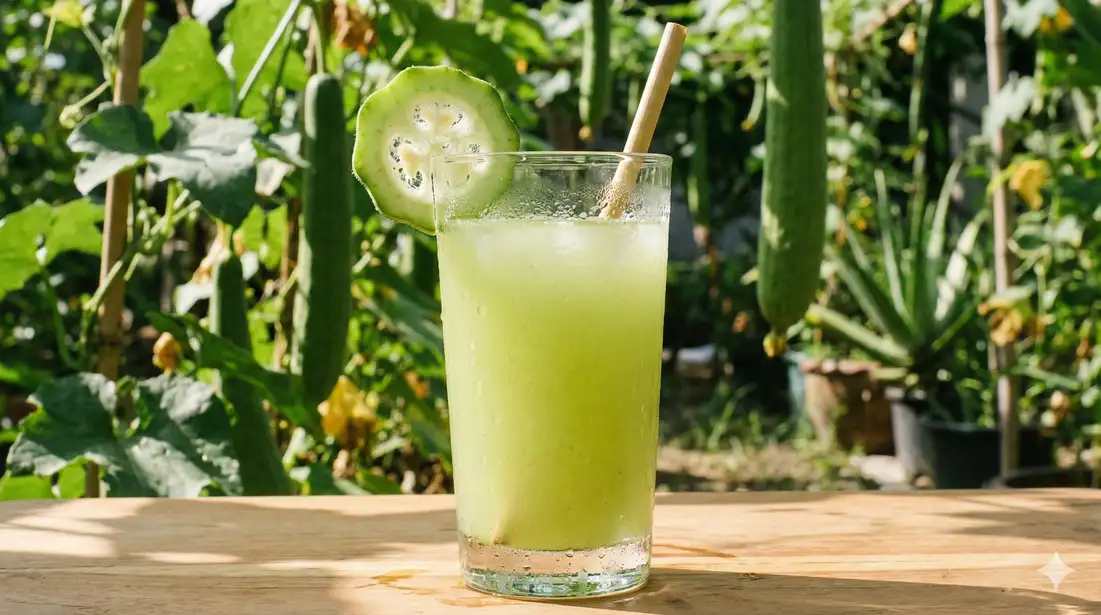
What is Luffa Juice?
While most people know luffa (also spelled loofah) as a natural bath sponge, young luffa gourds are actually edible vegetables popular in Asian cuisine. Luffa juice, also known as loofah juice or luffa gourd juice, is extracted from tender, immature luffa fruits before they develop their characteristic fibrous structure. If you're curious about consuming luffa for health, juice is one of the most popular applications.
The juice has been consumed for centuries as part of traditional health remedies in Chinese, Indian, and Southeast Asian medicine practices. In these cultures, luffa juice is valued not just as a refreshing beverage but as a functional food with potential health-promoting properties.
The key to making quality luffa juice is selecting the right gourds. Young luffas (typically 4-6 inches long and still tender) contain more water and nutrients, with a mild, slightly sweet flavor similar to cucumber or zucchini. As the gourd matures and develops its fibrous skeleton, it becomes unsuitable for juice extraction.
Recommended Juicing Equipment

Babish Carbon Steel Flat Bottom Wok (14-Inch)
Restaurant-quality wok for authentic luffa stir-fry - works on all stovetops including induction
Check Price on AmazonAs an Amazon Associate, we earn from qualifying purchases.
Health Benefits of Luffa Juice
Research and traditional use suggest several potential health benefits associated with regular consumption of luffa gourd juice. For detailed nutritional benefits, see our complete nutrition guide.
Rich in Essential Nutrients
Luffa juice provides a concentrated source of vitamins and minerals from the fresh gourd. A single serving typically contains Vitamin A (important for eye health, immune function, and skin health), Vitamin C (a powerful antioxidant supporting immune system and collagen production), potassium (essential for heart health and blood pressure regulation), magnesium (supports muscle function, nerve health, and energy production), and dietary fiber (promotes digestive health when pulp is included).
Hydration and Cooling Properties
With approximately 94% water content, fresh luffa juice is an excellent hydrating beverage. In traditional Chinese medicine, luffa is classified as a "cooling" food, making luffa juice particularly popular during hot summer months to help regulate body temperature and prevent heat-related discomfort.
Antioxidant Support
Luffa gourds contain various antioxidant compounds including flavonoids and phenolic acids. These antioxidants help neutralize free radicals in the body, potentially reducing oxidative stress and supporting overall cellular health.
Blood Sugar Regulation
Some traditional medicine systems use luffa juice to support healthy blood sugar levels. While more research is needed, preliminary studies suggest that compounds in luffa may help improve insulin sensitivity. However, individuals with diabetes should consult healthcare providers before adding luffa juice to their diet.
Digestive Health Support
The mild fiber content and water in luffa juice may support digestive health by promoting regular bowel movements and supporting beneficial gut bacteria. The juice's gentle nature makes it suitable for those with sensitive digestive systems.
- Calories: 20-25
- Carbohydrates: 5g
- Fiber: 1-2g
- Protein: 1g
- Fat: Less than 0.5g
- Vitamin C: 15% DV
- Vitamin A: 10% DV
Luffa juice makes an excellent low-calorie green juice option for those watching their calorie intake.
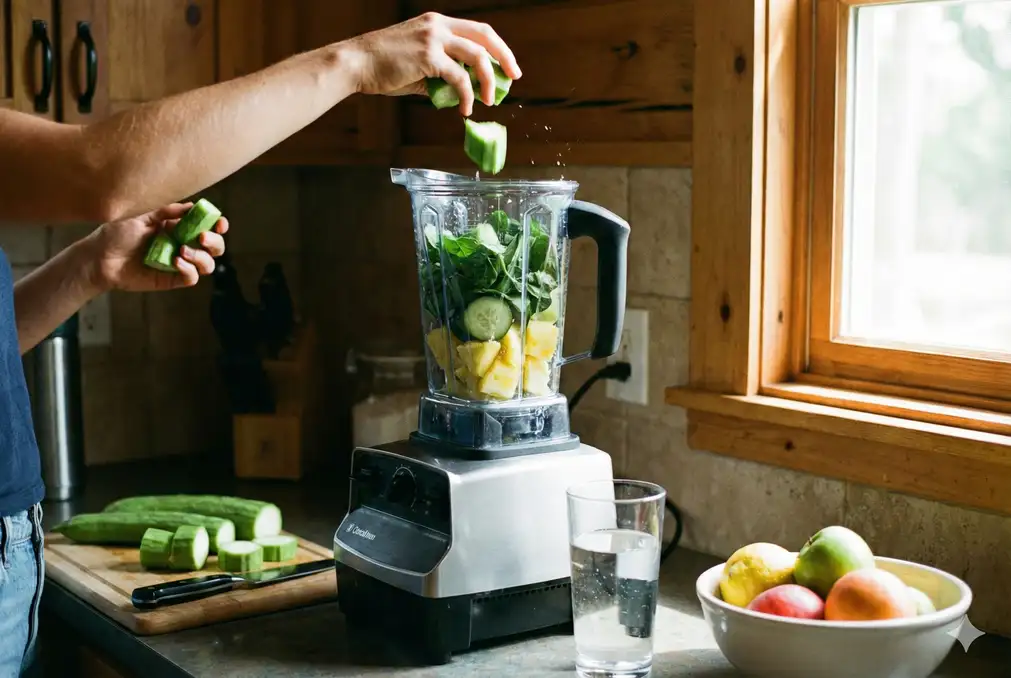
How to Make Luffa Juice
Making fresh luffa juice at home is straightforward and requires minimal equipment. For detailed juicing preparation techniques, see our preparation guide.
Selecting the Right Luffa
The most crucial step in making quality luffa juice is selecting appropriate gourds:
- Size: Choose young luffas 4-6 inches in length
- Texture: Gourds should feel firm but yield slightly to pressure, similar to a cucumber
- Color: Look for bright green coloring without yellowing or brown spots
- Skin: The skin should be smooth with fine, tender ridges (not hard or deeply grooved)
- Weight: Select heavier gourds, which indicate higher water content
Basic Luffa Juice Recipe
Ingredients:
- 2-3 young luffa gourds (about 1 pound total)
- 2 cups filtered water
- 1 tablespoon honey or agave (optional)
- 1 tablespoon fresh lemon juice (optional)
- Pinch of sea salt (optional)
Instructions:
- Wash luffa gourds thoroughly under running water
- Peel the skin if it feels tough (younger gourds can be used unpeeled)
- Cut into 1-inch chunks, discarding any seeds if present
- Add luffa chunks and water to a blender
- Blend on high for 60-90 seconds until smooth
- Strain through fine mesh strainer or cheesecloth
- Add optional sweetener and lemon juice
- Serve immediately over ice
Traditional Luffa Juice Recipes
Different cultures have developed their own variations of luffa juice, often incorporating complementary ingredients that enhance both flavor and nutritional benefits.
In traditional Chinese medicine, this preparation is used to clear heat and support lung health.
Additional Ingredients:
- 1-inch piece fresh ginger, peeled
- 3-4 fresh mint leaves
- 1 teaspoon honey
- Squeeze of fresh lime
Blend all ingredients with the basic luffa juice recipe for a refreshing herbal beverage with enhanced digestive benefits.
Combining luffa with other green vegetables creates a powerful nutritional boost.
Ingredients:
- 2 young luffa gourds
- 1 cucumber
- 2 celery stalks
- 1 green apple
- Handful of fresh spinach
- 1/2 lemon, juiced
- 1-inch piece ginger
Process all ingredients through a juicer or blend and strain for a revitalizing green juice packed with vitamins and minerals.
Traditional & Cultural Uses of Loofah Juice
Luffa juice has played an important role in traditional medicine systems across Asia for centuries. Understanding these traditional applications provides context for modern usage.
Chinese Traditional Medicine
In Traditional Chinese Medicine (TCM), luffa is known as "si gua" and is classified as having sweet and cooling properties. TCM practitioners have historically recommended luffa juice for heat clearing (consumed during summer to cool the body and prevent heat stroke), phlegm reduction (used to clear respiratory congestion and support lung health), lactation support (traditionally given to nursing mothers to promote milk production), and circulation improvement (believed to promote blood flow and reduce stagnation).
Ayurvedic Applications
In Ayurvedic medicine, luffa (called "ghia torai") is considered light and cooling, beneficial for balancing Pitta dosha. Ayurvedic uses include supporting liver function and detoxification, cooling inflammation in the digestive tract, promoting healthy skin from within, and supporting weight management due to low calorie content.
Southeast Asian Folk Medicine
Various Southeast Asian cultures incorporate luffa juice in traditional wellness practices. In Vietnam, luffa juice is mixed with honey for cough and throat irritation. In the Philippines, it's combined with coconut water as a rehydration beverage. In Thailand, it's used as a cooling drink to combat tropical heat and humidity.
Precautions & Considerations
While luffa juice is generally safe for most people when consumed in moderation, certain precautions should be observed.
- Avoid mature luffas: Only use young, tender gourds. Mature luffas become bitter and fibrous, and should never be consumed
- Allergies: People with allergies to cucurbitaceae family plants (cucumber, melon, squash) may react to luffa
- Pregnancy: Pregnant women should consult healthcare providers before consuming luffa juice regularly, as traditional medicine associates it with promoting menstruation
- Blood sugar: Those on diabetes medications should monitor blood sugar levels when introducing luffa juice
- Digestive sensitivity: Start with small amounts (4 oz) to assess tolerance, as some people may experience mild digestive effects
- Pesticides: Use organic luffa when possible, or wash thoroughly to remove potential pesticide residues
Storage and Freshness
For optimal nutrition and safety, consume fresh luffa juice immediately after preparation. If storing, refrigerate in an airtight container for no more than 24 hours. Discard if juice develops an off odor, discoloration, or separation. Store fresh luffa gourds in the refrigerator for up to 5 days before juicing.
Flavor Pairings & Enhancement
Luffa juice has a mild, slightly sweet flavor that pairs beautifully with various ingredients. Here are some combinations to enhance taste and nutrition.
| Ingredient | Benefit | Flavor Profile |
|---|---|---|
| Lemon/Lime | Vitamin C boost, digestive aid | Bright, citrus, refreshing |
| Ginger | Anti-inflammatory, digestive support | Spicy, warming, zingy |
| Mint | Cooling, digestive comfort | Fresh, cooling, aromatic |
| Cucumber | Extra hydration, skin health | Mild, refreshing, clean |
| Apple | Natural sweetness, pectin fiber | Sweet, fruity, balanced |
| Coconut Water | Electrolytes, hydration | Tropical, slightly sweet |
| Honey | Natural sweetness, antimicrobial | Sweet, floral, smooth |
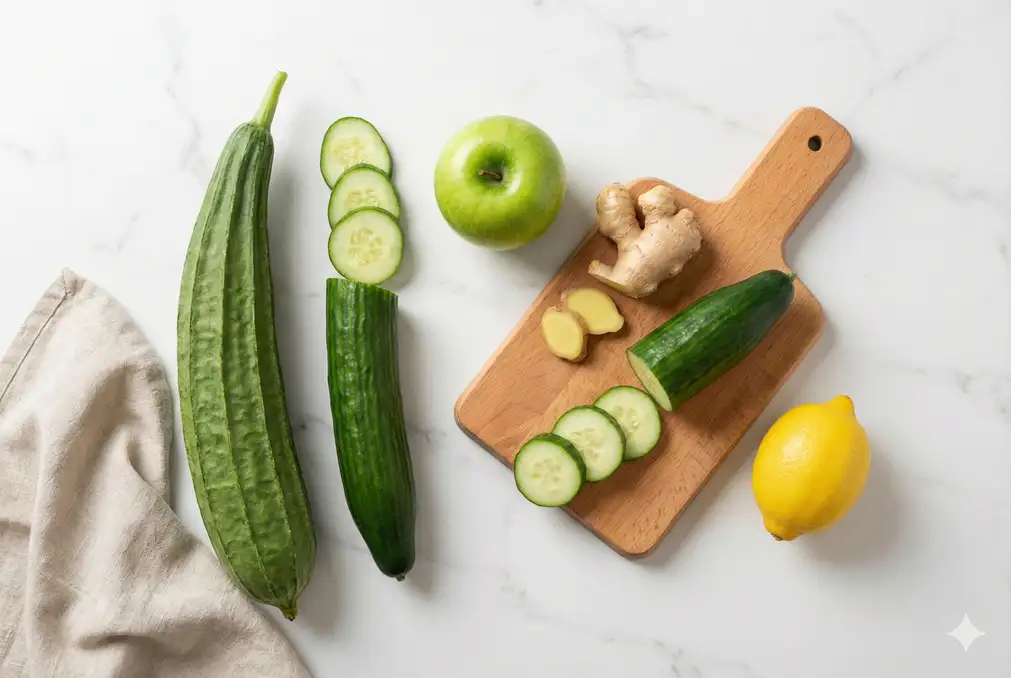
Growing Luffa for Juice Production
If you're interested in making luffa juice regularly, growing your own luffa plants ensures a steady supply of fresh, young gourds. Learn about young luffa for juicing to time your harvest perfectly.
Harvest Timing for Juice
Unlike growing luffa for sponges, when making juice you want to harvest much earlier:
- Optimal size: 4-6 inches long, 1-2 inches in diameter
- Timing: Typically 35-45 days after flowering (versus 150+ days for sponges)
- Appearance: Bright green, smooth skin with fine ridges
- Texture test: Should feel similar to a zucchini when gently squeezed
Frequent Harvesting Benefits
Regularly harvesting young luffas for juice actually benefits the plant by encouraging continued fruit production throughout the growing season. Check plants every 2-3 days during peak season to catch gourds at the perfect stage.
Frequently Asked Questions
Yes, juice from young, tender luffa gourds is safe to consume when the fruit is harvested at the right stage (typically 4-6 inches long and still soft). The juice should be consumed fresh and prepared from organically grown, pesticide-free luffas. Always avoid mature luffas, which become fibrous and bitter.
Luffa juice is rich in vitamins A and C, provides hydration with its 94% water content, contains antioxidants and minerals like potassium and magnesium, supports digestive health with dietary fiber, and may have anti-inflammatory properties. It's traditionally used in Asian medicine for cooling effects and blood sugar support.
Select young, tender luffa gourds (4-6 inches long), wash thoroughly and peel if skin is tough, cut into chunks, blend with water at a 1:2 ratio, strain through a fine mesh or cheesecloth, and add honey, lemon, or ginger for flavor. Consume immediately for best nutritional value.
Fresh luffa juice has a mild, slightly sweet flavor similar to cucumber or zucchini. It's refreshing and light with a subtle vegetal taste. The flavor can be enhanced with citrus, herbs like mint or basil, honey, or ginger for a more complex taste profile.
While luffa juice can be consumed regularly as part of a balanced diet, moderation is key. Start with small amounts (4-8 oz daily) to assess tolerance. Pregnant women, those with allergies to cucurbitaceae family plants, or individuals on blood sugar medications should consult a healthcare provider before regular consumption.