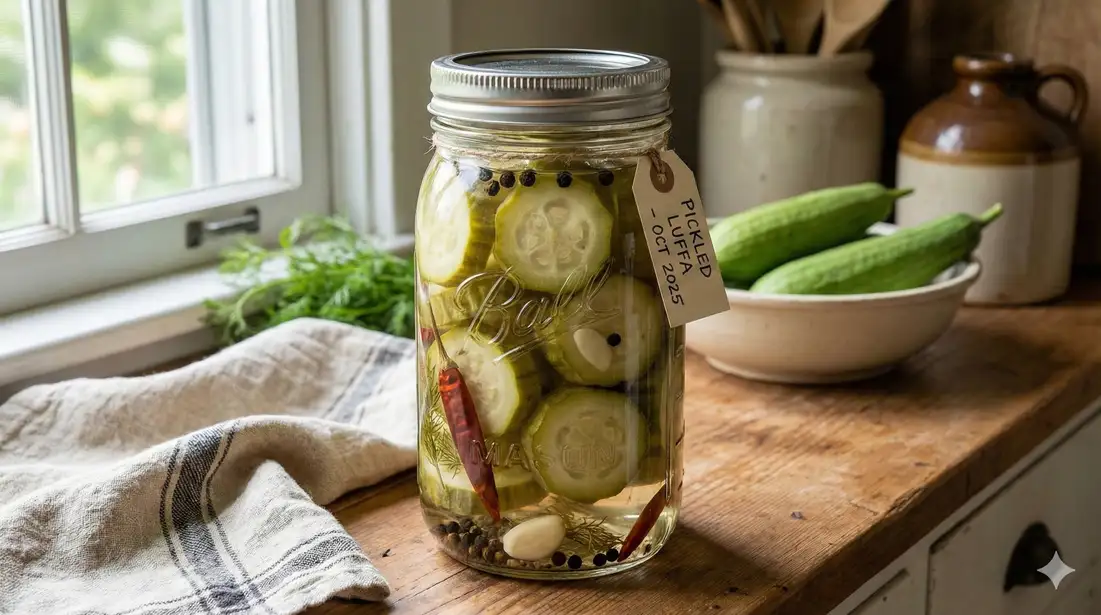
Pickling transforms young luffa gourds into a tangy, crispy delicacy that's popular throughout Asia and gaining recognition among Western gardeners. This preservation method not only extends your harvest but creates a unique condiment that adds brightness to salads, sandwiches, rice bowls, and Asian dishes.
Unlike the mature fibrous sponges most people associate with luffa, young luffa for pickling offers a tender, cucumber-like texture perfect for preserving. The pickle transforms mild flavor into something vibrant, as luffa readily absorbs the flavors of your chosen brine whether you prefer classic dill pickles, spicy Asian pickling traditions, or creative fusion recipes.
In this comprehensive guide, we'll explore multiple pickling methods from quick refrigerator pickles ready in 24 hours to traditional fermented versions that develop complex flavors over time. You'll learn the best harvesting practices, essential equipment, time-tested recipes, and storage techniques to enjoy your pickled luffa for months.
Recommended Pickling Supplies
Babish Carbon Steel Flat Bottom Wok (14-Inch)
Restaurant-quality wok for authentic luffa stir-fry - works on all stovetops including induction
Check Price on AmazonAs an Amazon Associate, we earn from qualifying purchases.
How to Pickle Young Luffa
The pickling process for luffa follows similar principles to pickling cucumbers or other vegetables, with a few key adaptations for this unique gourd. Understanding the basic method will help you master all the variations we'll explore later.
Essential Equipment for Pickling
Before you start preserving luffa, gather these essential items:
- Glass jars: Mason jars or any glass containers with tight-sealing lids (avoid metal lids for long-term storage)
- Non-reactive pot: Stainless steel or enamel pot for preparing brine
- Measuring tools: Accurate measurements ensure proper preservation and flavor
- Knife and cutting board: For preparing the luffa
- Weight or fermentation lid: For fermented pickles to keep vegetables submerged
- Canning equipment: If you plan to can for shelf-stable storage (water bath canner, jar lifter, funnel)
Basic Pickling Steps
The fundamental pickling process involves these key steps:
- Harvest and prepare: Select young luffa gourds at the optimal size and clean thoroughly
- Cut and season: Slice or leave whole, depending on size and preference
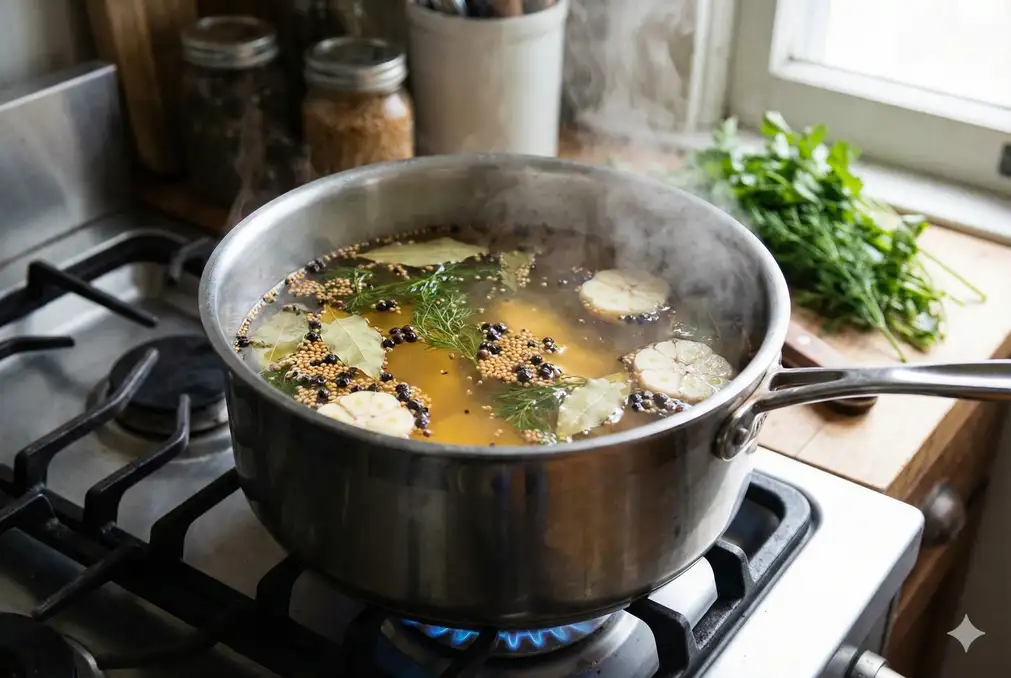
- Prepare brine: Heat vinegar, water, salt, and seasonings to dissolve
- Pack jars: Arrange luffa pieces with aromatics in clean jars
- Pour brine: Cover vegetables completely with hot or cooled brine
- Cool and store: Allow to cool before refrigerating, or process in water bath for shelf storage
For more information on preparing luffa for pickling, check out our comprehensive preparation guide.
Best Luffa Size for Pickling
Selecting the right size luffa is crucial for achieving the perfect texture and flavor in your pickles. Unlike mature luffa harvested for sponges, pickling requires young, tender gourds at a specific stage of development.
Optimal Harvest Size
The ideal luffa for pickling measures 4 to 6 inches in length and about 1 to 1.5 inches in diameter. At this stage:
- The skin is still tender and doesn't require peeling
- Seeds are small, soft, and undeveloped
- The flesh has a crisp, cucumber-like texture
- The interior hasn't begun forming fibrous tissue
- The gourd has maximum water content for good crunch
- Too young (2-3 inches): Very tender but lacking substance; better for quick stir-fries
- Perfect (4-6 inches): Ideal balance of tenderness and structure for pickling
- Acceptable (6-8 inches): Still good for pickling but may need peeling and seed removal
- Too mature (8+ inches): Developing fiber; better for cooking methods than pickling
Testing for Ripeness
Beyond size, use these indicators to determine if a luffa is ready for pickling:
- Skin test: The skin should be smooth and bright green, easily punctured with a fingernail
- Firmness: The gourd should feel firm with slight give, similar to a cucumber
- Ridges: Prominent ridges indicate the gourd is still young and tender
- Weight: Should feel heavy for its size, indicating high water content
For preserving green loofah and other uses of young gourds, see our complete guide.
Quick Refrigerator Pickled Luffa
Refrigerator pickles are the easiest entry point into pickling luffa. This no-canning-required method produces crispy, flavorful pickles in just 24 hours and keeps them fresh in your refrigerator for up to three months.
Ingredients:
- 1 pound young luffa gourds (4-6 inches each), sliced into 1/4-inch rounds or spears
- 1 cup white vinegar (5% acidity)
- 1 cup filtered water
- 2 tablespoons sea salt or pickling salt
- 1 tablespoon sugar
- 3 cloves garlic, peeled and smashed
- 1 tablespoon fresh dill or 1 teaspoon dill seeds
- 1 teaspoon black peppercorns
- 1 teaspoon mustard seeds
- 1/2 teaspoon red pepper flakes (optional)
Instructions:
- Wash luffa gourds thoroughly and slice into desired shape (rounds, spears, or chunks)
- Pack luffa pieces into clean quart-sized mason jars along with garlic, dill, and spices
- In a saucepan, combine vinegar, water, salt, and sugar; bring to a boil, stirring to dissolve
- Pour hot brine over luffa in jars, leaving 1/2 inch headspace
- Tap jars gently to release air bubbles and ensure vegetables are fully submerged
- Seal with lids and let cool to room temperature
- Refrigerate for at least 24 hours before eating; flavor improves after 48-72 hours
- Use fresh luffa harvested the same day for maximum crispness
- Add a grape leaf, oak leaf, or 1/4 teaspoon calcium chloride to maintain crunch
- Don't overcrowd jars; leave space for brine to circulate
- Store pickles in the coldest part of your refrigerator (below 40°F)
- Always use clean utensils when removing pickles to prevent spoilage
Fermented Luffa Pickles
Fermented pickles use beneficial bacteria (lactobacillus) to naturally preserve luffa while developing complex, tangy flavors and probiotic benefits. This traditional method takes longer than refrigerator pickles but creates a more nuanced taste and may offer digestive health benefits.
Ingredients:
- 1 pound young luffa gourds, sliced or cut into spears
- 2 tablespoons sea salt (non-iodized)
- 2 cups filtered water (chlorine-free)
- 4 cloves garlic, peeled
- 2 tablespoons fresh dill or 1 tablespoon dill seeds
- 1 teaspoon black peppercorns
- 1 teaspoon coriander seeds
- 2-3 grape leaves or 1 oak leaf (for tannins to maintain crispness)
- Optional: 1 hot pepper, sliced; 1 teaspoon mustard seeds
Instructions:
- Dissolve salt in filtered water to create a 3.5% brine (about 2 tablespoons per 2 cups)
- Layer grape leaf, garlic, and spices at the bottom of a clean quart jar or fermentation crock
- Pack luffa pieces tightly into the jar
- Pour brine over luffa, ensuring all pieces are submerged; leave 1 inch headspace
- Place a weight or fermentation lid to keep vegetables below brine level
- Cover jar loosely with a cloth or use an airlock lid
- Let ferment at room temperature (65-75°F) for 7-10 days, checking daily
- Taste after 5 days; continue fermenting until desired sourness is achieved
- Once fermented, seal with tight lid and refrigerate to slow fermentation
Fermentation Tips and Troubleshooting
- Salt concentration: Use 3.5-5% brine (2-3 tablespoons salt per quart of water)
- Chlorine-free water: Chlorine kills beneficial bacteria; use filtered or boiled-and-cooled water
- Temperature control: Ideal fermentation happens at 65-75°F; warmer speeds fermentation, cooler slows it
- Submersion: Vegetables must stay below brine to prevent mold; use weights or fermentation lids
- Normal signs: Cloudy brine, bubbles, and slight foam are normal indicators of active fermentation
- Warning signs: Surface mold (skim off immediately), pink or black discoloration, or foul odors indicate spoilage
Asian-Style Pickled Luffa
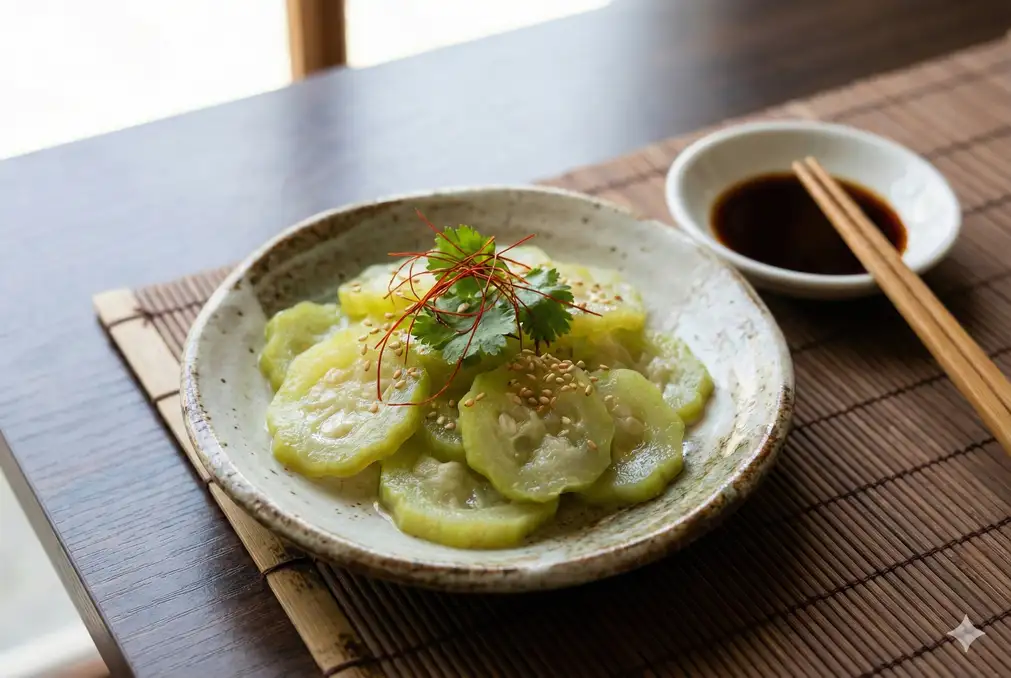
Asian cuisines have been pickling luffa (known as si gua in Chinese and hechima in Japanese) for centuries. These preparations often feature soy sauce, rice vinegar, ginger, and other distinctive flavors that complement the gourd's mild taste perfectly.
Ingredients:
- 1 pound young luffa gourds, cut into 1/2-inch thick rounds or half-moons
- 1/2 cup rice vinegar (unseasoned)
- 1/4 cup soy sauce or tamari
- 1/4 cup water
- 3 tablespoons sugar
- 1 tablespoon sea salt
- 2-inch piece fresh ginger, sliced thin
- 4 cloves garlic, sliced
- 2 dried red chilies or 1 teaspoon red pepper flakes
- 1 teaspoon Sichuan peppercorns (optional)
- 1 tablespoon sesame oil
- 2 green onions, cut into 2-inch pieces
Instructions:
- If using larger luffa (6-8 inches), peel the skin and remove any developing seeds
- Slice luffa into rounds or half-moons about 1/2 inch thick
- In a saucepan, combine rice vinegar, soy sauce, water, sugar, and salt; heat until sugar dissolves
- Add ginger, garlic, chilies, and Sichuan peppercorns to the hot brine
- Pack luffa and green onions into clean jars
- Pour hot brine over vegetables, ensuring they're fully covered
- Drizzle sesame oil on top (creates a seal and adds flavor)
- Let cool, then seal and refrigerate for at least 48 hours before serving
- Best consumed within 2-3 weeks for optimal flavor and texture
This Asian-style pickle pairs wonderfully with rice dishes, noodles, and as a side dish (banchan) for Korean or Chinese meals. The combination of soy sauce and rice vinegar creates a unique umami-rich flavor profile quite different from Western dill pickles.
Spicy Pickled Luffa Recipe
For those who enjoy heat, this spicy pickled luffa recipe delivers bold flavors with customizable spice levels. It's perfect as a condiment for tacos, sandwiches, or as a zesty addition to charcuterie boards.
Ingredients:
- 1 pound young luffa gourds, sliced into spears or rounds
- 2-3 jalapeño peppers, sliced (remove seeds for less heat)
- 1 serrano pepper, sliced (optional for extra heat)
- 1 cup white vinegar or apple cider vinegar
- 1 cup water
- 2 tablespoons pickling salt
- 1 tablespoon sugar
- 4 cloves garlic, smashed
- 1 tablespoon cumin seeds
- 1 teaspoon coriander seeds
- 1 teaspoon black peppercorns
- 1 teaspoon red pepper flakes
- 1 teaspoon Mexican oregano (or regular oregano)
- 1 bay leaf
Instructions:
- Prepare luffa by slicing into desired shapes; keep pieces uniform for even pickling
- Layer luffa and sliced peppers in clean pint or quart jars
- Combine vinegar, water, salt, and sugar in a pot; bring to a rolling boil
- Add garlic, cumin, coriander, peppercorns, pepper flakes, oregano, and bay leaf to jars
- Pour boiling brine over vegetables, ensuring complete coverage
- Remove air bubbles by running a clean utensil along jar sides
- Wipe jar rims, seal with lids, and let cool completely
- Refrigerate for at least 3 days before eating; heat intensifies over time
- Mild: Use 1 jalapeño with seeds removed, omit serrano and pepper flakes
- Medium: Use 2 jalapeños with some seeds, add 1/2 teaspoon pepper flakes
- Hot: Use 3 jalapeños with seeds, 1 serrano, and 1 teaspoon pepper flakes
- Extra Hot: Add habanero pepper slices or increase serrano peppers to 2-3
How Long Do Pickled Luffa Last?
Proper storage significantly impacts the shelf life and quality of your pickled luffa. Understanding storage times helps you plan your pickling sessions and enjoy your preserved harvest safely.
Refrigerator Storage
Refrigerator pickles (both quick and fermented versions) stored at 40°F or below maintain quality for:
- Quick refrigerator pickles: 2-3 months for best quality and crispness
- Fermented pickles: 4-6 months when kept refrigerated after fermentation
- Opened jars: Consume within 2-3 weeks for best quality
Canned Storage
Properly canned pickled luffa processed in a water bath canner can be stored at room temperature:
- Unopened jars: Up to 12 months in a cool, dark pantry
- After opening: Refrigerate and use within 2-3 weeks
- Quality decline: While safe, flavor and texture gradually decline after 6-8 months
Signs of Spoilage
Always inspect pickles before consuming. Discard if you notice:
- Bulging lids or broken seals on canned jars
- Foul or off odors when opening jar
- Visible mold growth on vegetables or floating on brine
- Mushy or slimy texture (beyond normal softening)
- Unusual colors (pink, black, or brown discoloration)
- Fizzing or spurting when opening non-fermented pickles
- Label jars with contents and date to track freshness
- Store canned jars in a cool (50-70°F), dark place away from direct sunlight
- Always use clean utensils when removing pickles from jars
- Keep pickles submerged in brine; add fresh brine if levels drop
- If canning, follow USDA guidelines for water bath processing times based on altitude
Serving Ideas for Pickled Luffa
Pickled luffa's tangy crunch and mild flavor make it an incredibly versatile ingredient. Here are creative ways to incorporate your pickled luffa into everyday meals and special occasions:
Asian-Inspired Dishes
- Rice bowls: Top steamed rice with pickled luffa, grilled protein, and sesame seeds
- Noodle soups: Add as a crunchy, acidic contrast to pho, ramen, or udon
- Banchan (side dishes): Serve alongside Korean BBQ or as part of a banchan spread
- Bao buns: Tuck pickled luffa into steamed buns with braised pork or tofu
- Sushi rolls: Use as a filling in vegetarian maki rolls
Western Applications
- Sandwiches and wraps: Add crunch and acidity to any sandwich, from banh mi to grilled cheese
- Burgers: Top beef, turkey, or veggie burgers with spicy pickled luffa
- Tacos: Use as a topping for fish tacos, carnitas, or vegetarian tacos
- Salads: Chop and toss into green salads, grain bowls, or pasta salads
- Cheese boards: Include pickled luffa on charcuterie boards as a palate cleanser
Creative Uses
- Pickle juice: Use leftover brine in salad dressings, marinades, or cocktails
- Relish: Finely chop pickled luffa with onions and peppers for a unique relish
- Stir-fries: Add pickled luffa at the end of cooking for a tangy accent
- Garnish: Use as a colorful, flavorful garnish for soups and stews
Frequently Asked Questions
Can I pickle mature luffa gourds?
Mature luffa gourds are not ideal for pickling as they've developed tough, fibrous interiors and hard seeds. For best results, harvest luffa when young (4-6 inches) and tender. If you only have larger gourds (6-8 inches), you can still pickle them but will need to peel the skin and remove seeds first. The texture won't be quite as crisp as young gourds.
Do I need to peel luffa before pickling?
Young luffa (4-6 inches) has tender skin that doesn't require peeling for pickling. The skin adds color, nutrients, and helps maintain structure during the pickling process. Only peel luffa if using slightly larger gourds (6-8 inches) where the skin has begun to toughen, or if you prefer a more uniform appearance in your pickles.
What's the difference between refrigerator and fermented pickles?
Refrigerator pickles use vinegar brine and are ready to eat in 24-48 hours. They must be stored in the refrigerator and last 2-3 months. Fermented pickles use salt brine and beneficial bacteria (lactobacillus) to naturally preserve vegetables. They take 7-10 days to ferment, develop complex tangy flavors, contain probiotics, and last 4-6 months refrigerated. Both methods work excellently for luffa.
Why did my pickled luffa turn mushy?
Mushy pickles can result from several factors: using overmature luffa, processing too long in a water bath, too-hot fermentation temperatures, or insufficient salt/acid in the brine. To maintain crispness, harvest young luffa, add grape or oak leaves (tannins help preserve crunch), keep fermentation temperatures at 65-75°F, and ensure proper brine concentrations. Fresh, recently harvested luffa also produces crispier pickles.
Can I reuse pickle brine for another batch?
You can reuse refrigerator pickle brine once for quick pickles by bringing it to a boil and pouring over fresh vegetables. However, the brine becomes weaker with each use and won't preserve vegetables as effectively. Never reuse brine for canning purposes, as the acid level diminishes. For fermented pickles, it's better to make fresh brine but you can use a small amount of old brine as a starter culture to speed fermentation.
Is white foam on my fermented pickles normal?
Yes, white foam or bubbles during fermentation are completely normal and indicate active fermentation. This is produced by beneficial lactobacillus bacteria. You can skim it off if desired, but it's harmless. However, if you see fuzzy mold (green, pink, or black) or detect foul odors, this indicates contamination and the batch should be discarded. Proper salt concentration and keeping vegetables submerged prevents bad mold growth.