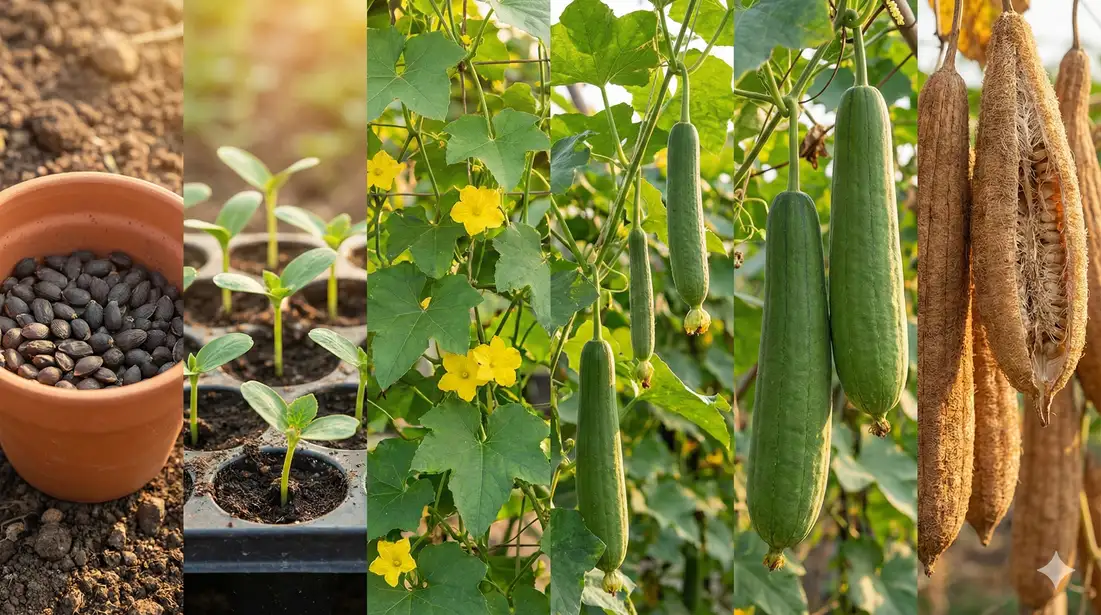
When I tell people how long loofah takes to grow, I usually see their eyes widen. "Five to seven months? For a sponge?" Yes. And here's why the time investment is worth understanding before you plant a single seed.
Loofah isn't difficult to grow—it's actually quite forgiving once established. But it is demanding in one critical way: time. Unlike most garden vegetables that produce within weeks, loofah requires an entire growing season to complete its lifecycle. And unlike most crops, you don't just wait for the fruit to ripen—you wait for it to dry completely on the vine.
Get a Head Start on Your Growing Season
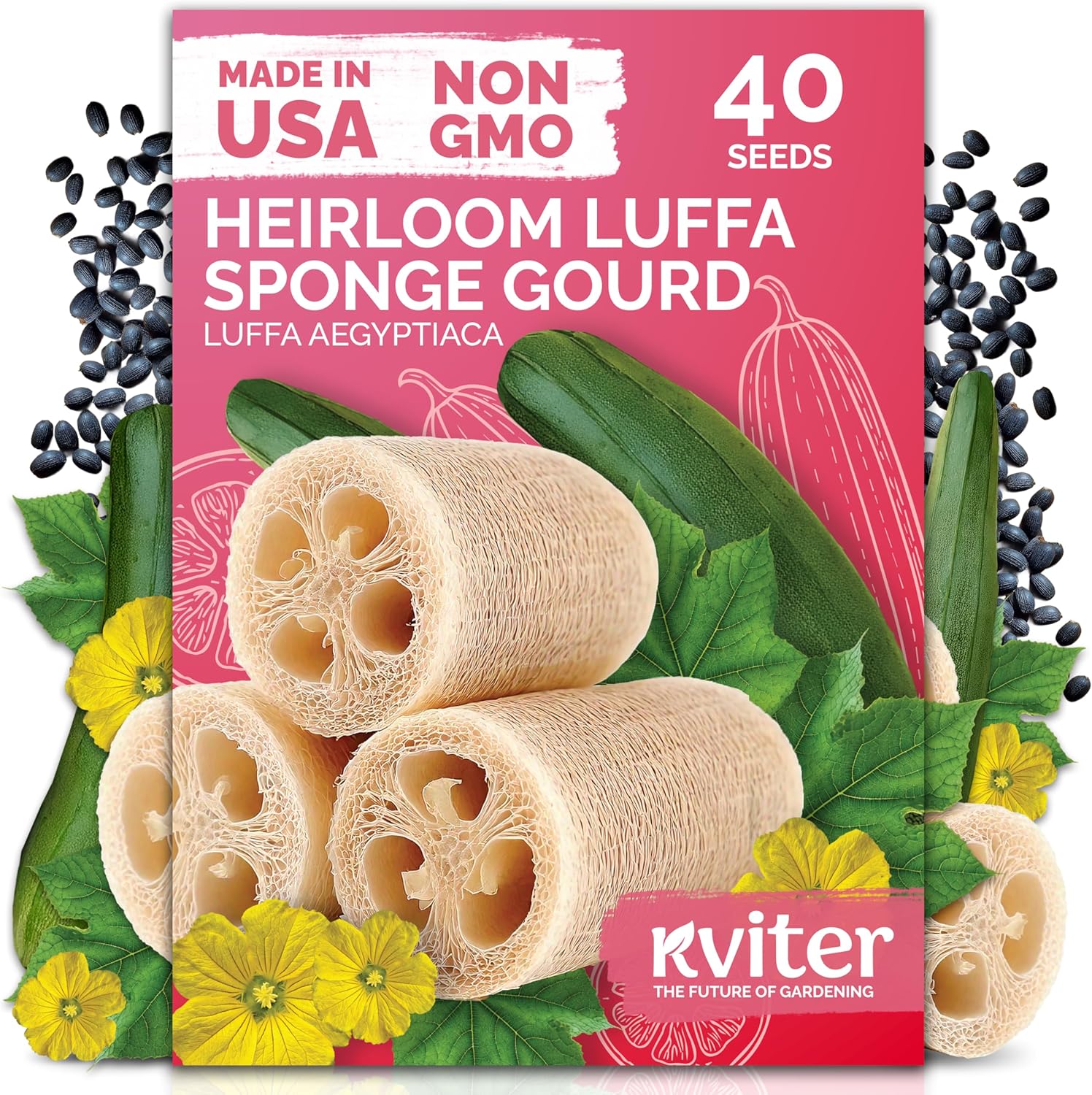
KVITER Heirloom Luffa Seeds (40 Count)
Fast-sprouting non-GMO seeds with 90%+ germination rate. Start indoors 4-6 weeks early to maximize your growing window.
Check Price on Amazon
BN-LINK Seedling Heat Mat
Cuts germination time in half with consistent 75-85°F warmth. Gain weeks on your 150-200 day growing timeline.
Check Price on AmazonAs an Amazon Associate, we earn from qualifying purchases. See all our seed recommendations →
The Short Answer (That's Not That Simple)
Here's the timeline breakdown:
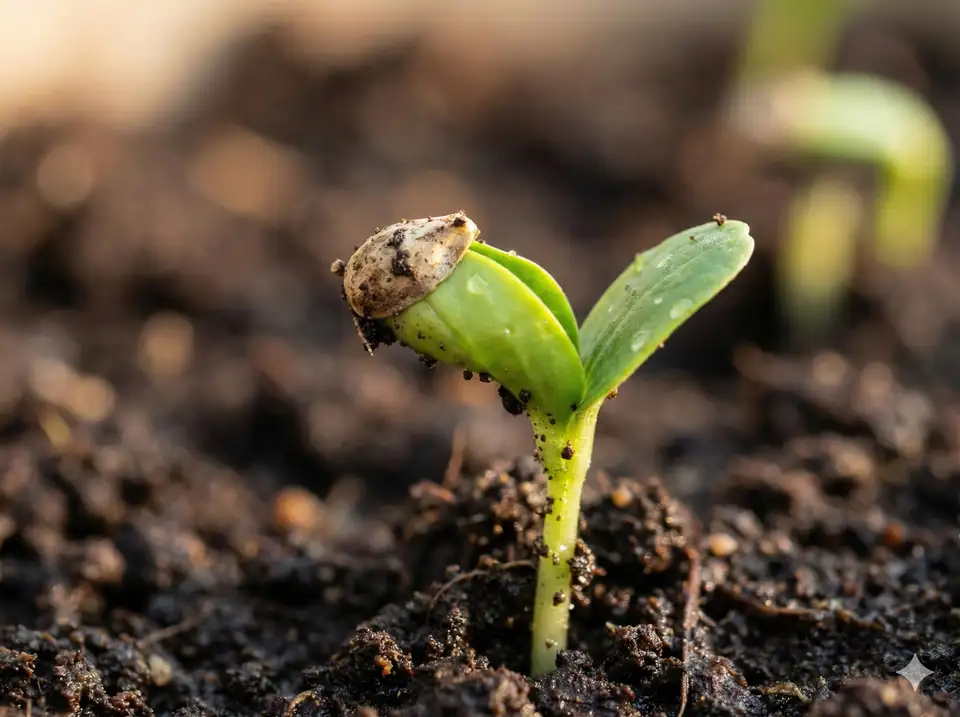
- Germination: 7-21 days
- Seedling to flowering: 45-60 days
- Flowering to fruit set: 10-14 days
- Fruit growth: 30-45 days
- Drying on vine: 30-60 days
Add those up and you get 122-200 days minimum. In practice, most gardeners experience the longer end of that range. The drying phase especially takes longer than people expect—rushing it means inferior sponges.
Complete Growth Timeline
| Growth Stage | Duration | What's Happening |
|---|---|---|
| Germination | 7-21 days | Seed absorbs water, root emerges, cotyledons unfold |
| Early Growth | 3-4 weeks | True leaves develop, plant establishes root system |
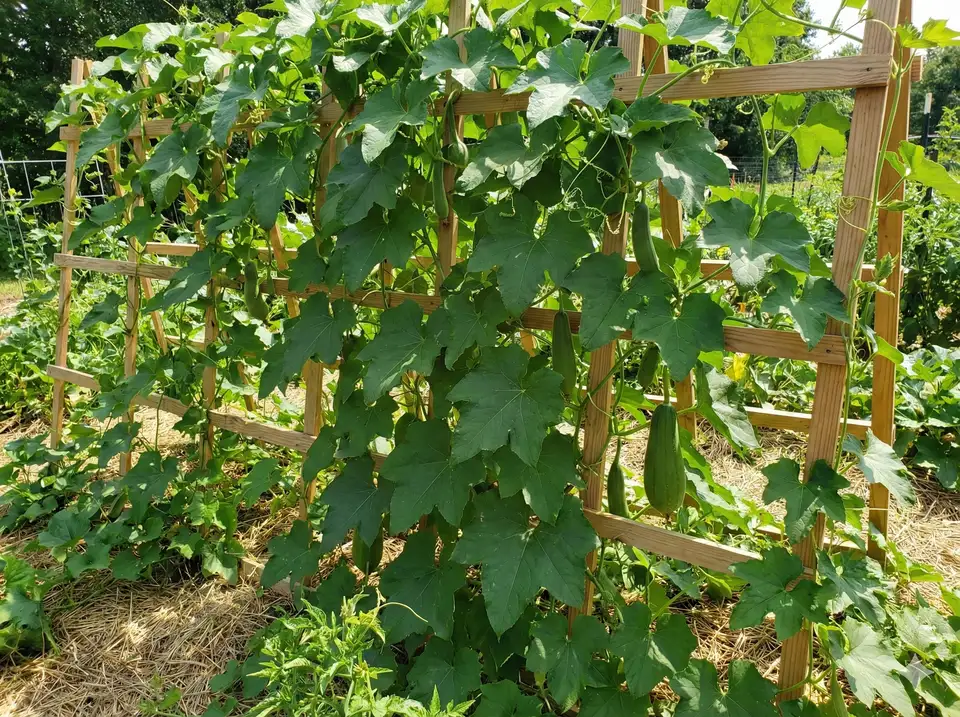
| Vine Growth | 4-8 weeks | Rapid vine extension, climbing begins, heavy foliage |
| Flowering | 6-12 weeks | Yellow flowers appear, pollination occurs |
| Fruit Development | 4-6 weeks | Gourds grow to full size (12-24 inches) |
| Drying | 4-8 weeks | Skin yellows, browns, becomes papery; fibers develop |

Growing Time by USDA Zone
Your location dramatically affects whether you can successfully grow loofah. Here's the reality check:
Tight window. Must start seeds indoors 4-6 weeks early. Use every season-extension trick available. Expect 5-10 mature gourds per plant. Some gourds may not finish drying before frost—harvest green ones for cooking instead.
Good growing conditions. Indoor starting helps but isn't mandatory in zone 8. Expect 10-20 mature gourds per plant. Most gourds will fully dry on vine before first frost.
Loofah's natural climate. Direct sow outdoors. Expect 15-30+ mature gourds per plant. Can even do succession planting for extended harvest. Main challenge is managing aggressive vine growth.
Loofah vs Other Garden Crops
For perspective, here's how loofah compares to familiar garden crops:
| Crop | Days to Harvest | Comparison |
|---|---|---|
| Radishes | 25-30 days | You could grow 6+ radish crops in loofah's time |
| Lettuce | 45-60 days | 3-4 lettuce successions = one loofah harvest |
| Cucumbers | 50-70 days | Loofah's closest relative, but 2-3x faster |
| Tomatoes | 60-85 days | Still half the time of loofah |
| Winter Squash | 85-120 days | Closest comparison, but still faster |
| Loofah | 150-200 days | One of the longest garden crops |
Can You Speed Up Growth?
Somewhat. You can't change loofah's genetics, but you can optimize conditions to hit the lower end of the timeline:
- Start indoors: Gains you 4-6 weeks over direct sowing—crucial in short-season areas.
- Use heat mats: Speeds germination from 21 days down to 7-10 days.
- Black plastic mulch: Warms soil faster in spring, keeping plants actively growing.
- Consistent watering: Stressed plants pause growth. Keep soil evenly moist.
- Heavy feeding: Loofah is a hungry plant. Regular fertilizing keeps growth rapid.
- Full sun: Anything less than 6-8 hours slows everything down.
Even with all optimizations, you're still looking at 150+ days minimum. There's no shortcut around the drying phase—the fibers need time to develop properly.
Setting Realistic Expectations
Here's what I wish someone had told me before my first loofah season:
The First Half is Boring
For the first 2-3 months, you're basically watching leaves grow. The vine spreads, climbs, gets huge—but produces nothing visible. It's easy to think something's wrong. Nothing is wrong. Loofah just takes forever to start flowering.
Everything Happens at Once
Then suddenly, around month 3-4, flowers explode everywhere. Within weeks you'll have dozens of baby gourds. The plant goes from "is this thing alive?" to "how do I manage this jungle?" almost overnight.
Waiting for Dry is the Hardest Part
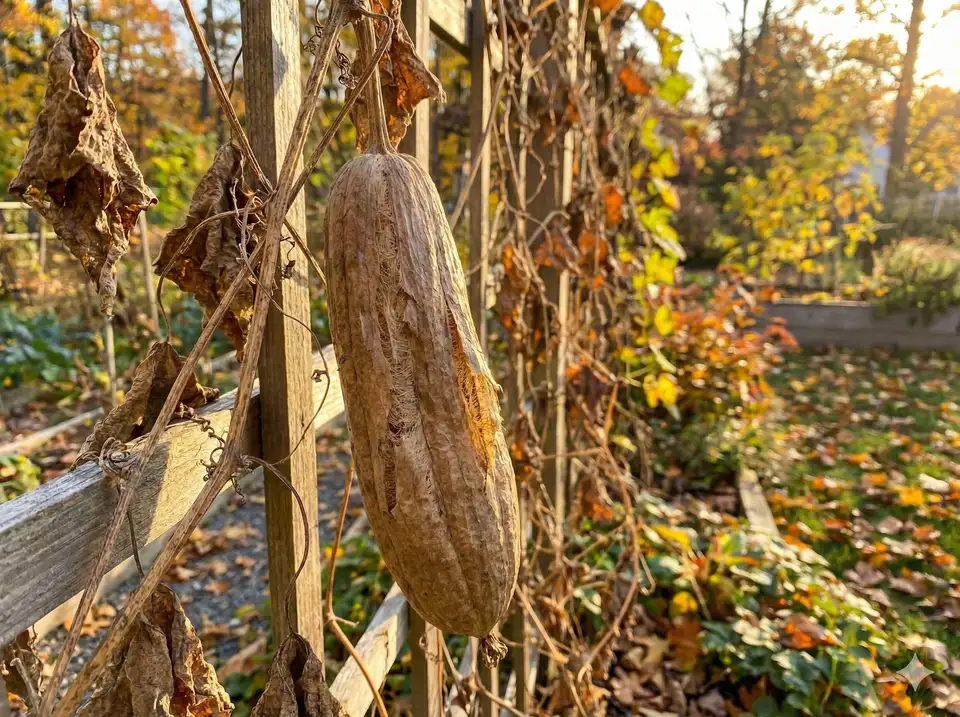
Gourds will reach full size and look "done" weeks before they're actually ready. The urge to harvest is strong. Resist it. Watch for the skin to turn from green to yellow to brown and papery. The gourd should feel light and rattle when shaken (seeds loose inside).
Frequently Asked Questions
Can I grow loofah in one season?
Yes, in most of the US (zones 5-10), loofah fits within a single growing season—but barely in northern areas. In zones 5-6, you'll need to maximize every warm day. In zones 8-10, you'll have time to spare.
What if frost comes before gourds are dry?
Harvest immediately before frost (even if green) and hang in a warm, dry location to finish curing. Results won't be quite as good as vine-dried, but still usable. Green gourds can also be eaten as a vegetable.
Why is loofah so much slower than cucumbers?
Cucumbers are bred for quick production. Loofah hasn't been commercially optimized—it grows at its natural tropical pace. Plus, you're not just waiting for fruit—you're waiting for the internal fiber structure to fully develop and dry.
Is the long growing time worth it?
A single plant can produce 10-25 sponges that last 4-6 months each. That's potentially years of sponges from one plant. Compared to buying synthetic sponges monthly, the time investment pays off quickly.