There's nothing more frustrating than watching your loofah plant produce beautiful yellow flowers, only to see the tiny fruit shrivel and fall off a few days later. If this sounds familiar, you're dealing with a pollination problem—and you're not alone.
The good news? Pollination issues are among the easiest loofah problems to solve. With hand pollination, you can achieve nearly 100% fruit set, regardless of how many bees visit your garden. This technique is especially valuable for container-grown loofah plants where pollinators may be less abundant.
Recommended Growing Supplies
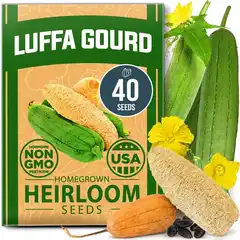
HOME GROWN Non-GMO Luffa Gourd Seeds (40 Seeds)
High-yield heirloom variety - harvest for sponges or eat young as a vegetable - includes growing guide
Buy on Amazon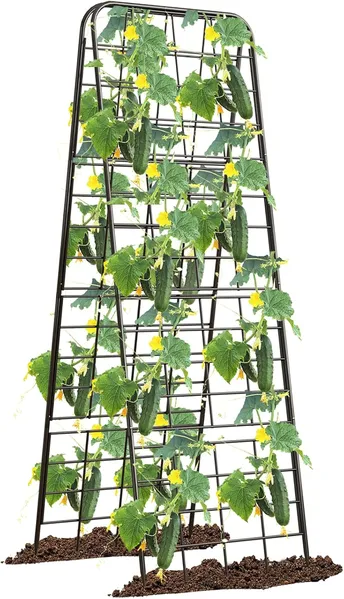
Heavy-Duty Adjustable A-Frame Trellis for Climbing Plants
Rust-proof metal frame perfect for loofah vines - folds flat for easy winter storage
Buy on AmazonAs an Amazon Associate, we earn from qualifying purchases.
Understanding Loofah Pollination
Loofah plants produce separate male and female flowers on the same vine. This is called "monoecious," and it's common among cucurbits (squash, cucumbers, melons).
For fruit to develop, pollen from a male flower must reach the stigma of a female flower. In nature, bees do this work as they move between flowers collecting nectar. But when bee populations are low, or conditions prevent bees from flying, pollination fails. Understanding this process is crucial whether you're following our complete loofah growing guide or troubleshooting specific issues.
Loofah flowers open for only one day. If pollination doesn't happen on that day, the flower closes and the opportunity is lost. Female flowers that aren't pollinated will yellow and drop within 2-3 days.
Identifying Male vs Female Flowers
Before you can hand pollinate, you need to know which flowers are which. Here's how to tell them apart:
Male Flowers
- Stem: Long, thin, straight stem
- Back of flower: No swelling or fruit
- Arrangement: Cluster of 5-20 flowers
- Center: Yellow, pollen-covered anthers
- Appears: First, 1-2 weeks before females
- Purpose: Provides pollen only
Female Flowers
- Stem: Short stem with a bulge
- Back of flower: Small, elongated fruit (ovary)
- Arrangement: Grows singly at leaf nodes
- Center: Sticky stigma (no yellow pollen)
- Appears: After males begin blooming
- Purpose: Produces the loofah fruit

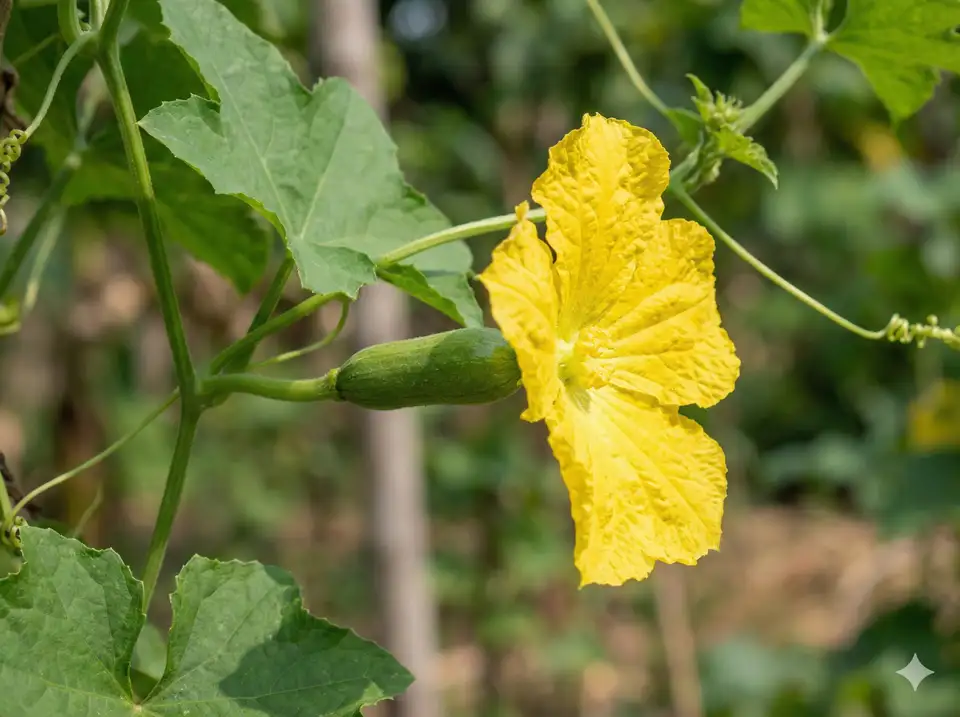
The easiest way to identify a female flower: look for a tiny cucumber-shaped fruit directly behind the petals. If it's there, it's female. If the stem is smooth all the way to the flower, it's male.
Common Pollination Problems
Understanding why pollination fails helps you choose the right solution:
1. Lack of Pollinators
Signs: You rarely see bees in your garden, flowers open and close without being visited, urban area with limited green space, or pesticide use nearby.
- Hand pollinate all female flowers
- Plant pollinator-attracting companion plants nearby
- Avoid pesticides, especially in morning
- Provide water sources for bees

2. Extreme Heat (Above 95°F)
Signs: Daytime temps regularly exceed 95°F, pollen appears clumpy or discolored, hand pollination still fails, flowers wilt quickly.
Why This Happens: Pollen becomes non-viable above 95°F. Even if you transfer pollen to the stigma, fertilization won't occur because the pollen is essentially dead.
- Pollinate very early morning before heat builds
- Provide afternoon shade with shade cloth
- Mist flowers in early morning to cool them
- Wait for temperatures to moderate
3. Poor Timing
Signs: You see both male and female flowers, but not at the same time. Male flowers finish blooming before females open. You attempt pollination in afternoon.
- Check for flowers every morning at 6-8 AM
- Store male flowers in fridge overnight (pollen viable 24 hrs)
- Grow multiple loofah plants to ensure flower overlap
4. Wet Weather
Signs: Extended rainy periods during flowering, heavy dew or humidity, pollen washes off or clumps.
- Hand pollinate as soon as rain stops
- Protect open flowers with a small canopy
- Pollinate between rain showers
- Shake water off flowers before pollinating
5. Only Male Flowers
Signs: Plant produces abundant male flowers, no female flowers appear for weeks. This is most common early in the season.
Why This Happens: It's normal for loofah to produce only male flowers for the first 1-2 weeks. If this continues beyond 3 weeks, it may indicate stress from excess nitrogen, insufficient light, or other factors.
- Wait—females typically follow 1-2 weeks after males
- Stop nitrogen fertilizer, switch to bloom booster
- Ensure 6-8+ hours of direct sunlight
- See our guide: Why Is My Loofah Not Flowering?
How to Hand Pollinate Loofah
Hand pollination is simple and takes only a few seconds per flower. Here's how to do it:
Step 1: Identify Your Flowers
Locate open male flowers (long stem, no fruit behind) and open female flowers (small fruit visible behind petals). Both must be fully open with petals spread wide.
Step 2: Harvest the Male Flower
Pick a male flower from the vine. Gently peel back or remove the yellow petals to expose the central anthers covered in yellow pollen.
Step 3: Transfer the Pollen
Touch the pollen-covered anthers of the male flower directly to the sticky stigma in the center of the female flower. Dab and roll gently to transfer maximum pollen.
Step 4: Repeat for Thorough Coverage
Use pollen from 2-3 different male flowers on each female for best results. This ensures plenty of pollen reaches the stigma.
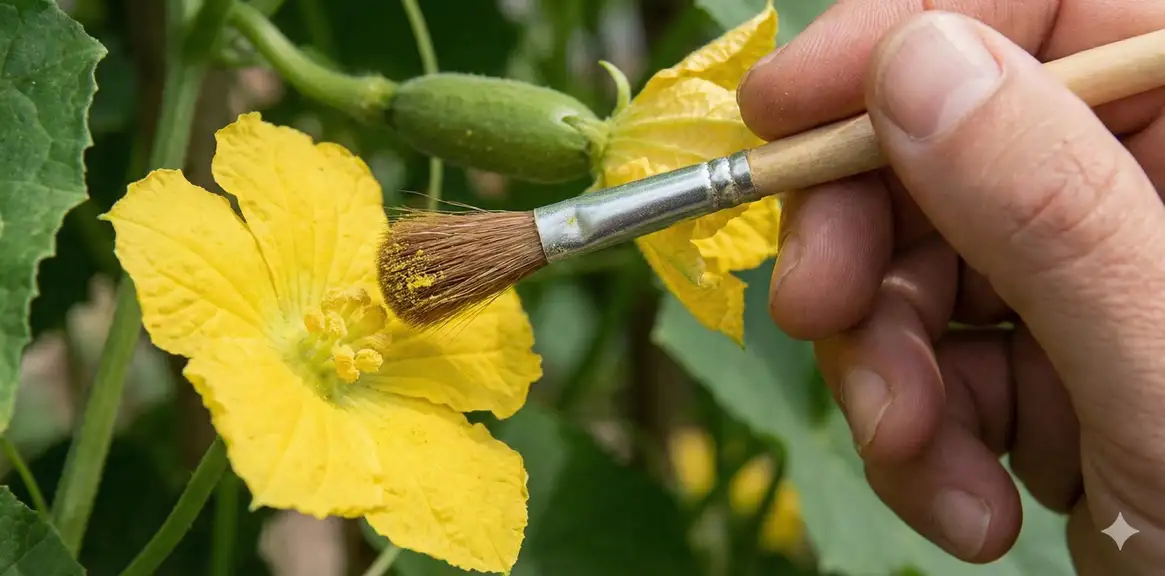
Alternative Method: Using a Brush
If you prefer not to remove male flowers, use a small, soft brush (like a makeup brush or artist's brush):
- Gently swirl the brush on the anthers of a male flower to collect pollen
- The brush bristles should turn yellow with pollen
- Brush the pollen onto the stigma of a female flower
- Use a clean brush or wash between different plant varieties
- Best time: 6-9 AM, right when flowers open
- Check daily: New flowers open each morning
- Don't overdo it: One good pollination per female is enough
- Mark pollinated flowers: Tie a small ribbon so you know which are done
- Save extras: Male flowers can be refrigerated for 24 hours
- Dry conditions: Wet pollen doesn't transfer well
Best Time to Pollinate
Timing is critical for successful pollination:
Time of Day
- Ideal: 6:00 AM - 9:00 AM
- Acceptable: 9:00 AM - 11:00 AM
- Poor: After noon (pollen degrades, flowers close)
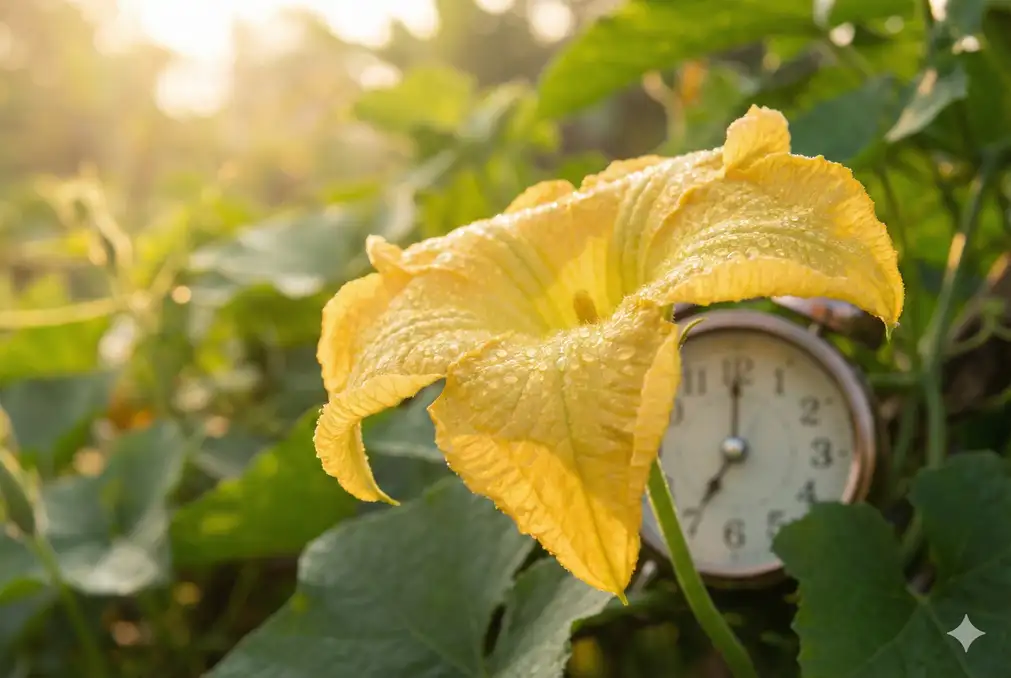
Loofah flowers open at dawn and are most receptive in the first few hours. By mid-morning, the stigma begins to dry and pollen viability decreases.
Weather Conditions
- Ideal: Dry, warm morning (70-85°F)
- Acceptable: Overcast but dry
- Poor: Rainy, extremely hot (95°F+), or very windy
Flower Readiness
- Male flowers: Pollen is visible as yellow powder on anthers
- Female flowers: Stigma is sticky and receptive
- Both flowers: Petals are fully open and spread
Attracting More Pollinators
While hand pollination works great, having bees visit your garden reduces your workload. Here's how to attract more pollinators:
Plant Bee-Friendly Flowers
These companion plants for loofah bloom alongside your vines and attract pollinators to your garden:
- Sunflowers: Large blooms attract bees from far away
- Zinnias: Continuous blooms all summer
- Marigolds: Also deter pests
- Lavender: Highly attractive to all bees
- Cosmos: Easy to grow, long blooming
- Borage: Bee favorite, edible too
Create a Pollinator-Friendly Environment
- Provide water: A shallow dish with pebbles gives bees a safe drinking spot
- Avoid pesticides: Never spray flowering plants, especially in morning
- Leave bare soil: Many native bees nest in the ground
- Plant in groups: Mass plantings are more visible to bees
- Include native plants: Local bees prefer local flowers
Bees are most active on warm, sunny mornings between 60-90°F. They don't fly in rain or when temperatures drop below 55°F. Plan your garden visits during peak bee activity to observe their behavior.
Signs of Successful Pollination
How do you know if pollination worked? Watch for these signs in the days following pollination:
Positive Signs (Pollination Succeeded)
- The small fruit behind the female flower begins to enlarge within 2-3 days
- The flower petals wilt and fall off (this is normal)
- The fruit continues growing steadily
- The stem thickens to support the growing fruit
Negative Signs (Pollination Failed)
- The small fruit turns yellow within 2-3 days
- The fruit shrivels and feels soft
- The entire structure (flower + fruit) drops off the vine
- No growth occurs within a week
After successful pollination, the fruit grows rapidly—sometimes an inch or more per day in ideal conditions. A successfully pollinated loofah will reach mature size (12-24 inches) within 3-4 weeks, then needs another 4-6 weeks to dry on the vine. Learn more about optimal timing in our guide to harvesting loofah.