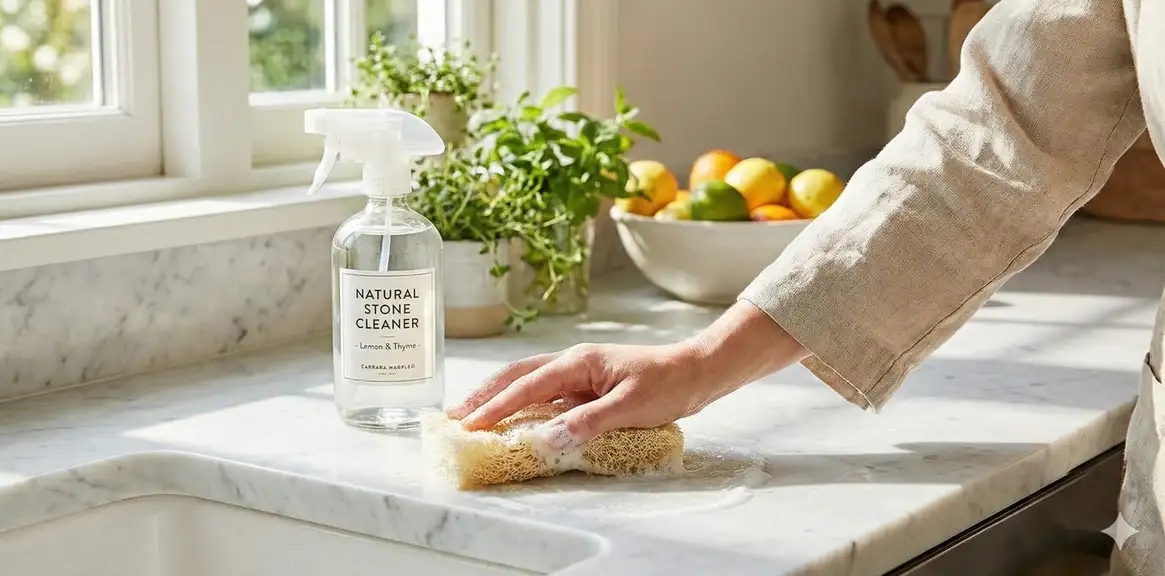
Beyond dish washing, natural loofah is a versatile cleaning tool for surfaces throughout your home. For kitchen cleaning with loofah, its slightly abrasive texture tackles grime without the chemical-laden disposable wipes or plastic scrubbers that end up in landfills.
This guide covers which surfaces are safe for loofah cleaning, proper techniques, and natural cleaning solutions that pair perfectly with your eco-friendly scrubber.
Surface-by-Surface Guide
Laminate, sealed granite, quartz, solid surface (Corian) - All safe for loofah cleaning. Use with dish soap or all-purpose cleaner. Great for removing dried food, sticky residue, and everyday grime.
Unsealed marble, limestone - Use with caution. Test in hidden area first. Avoid acidic cleaners.
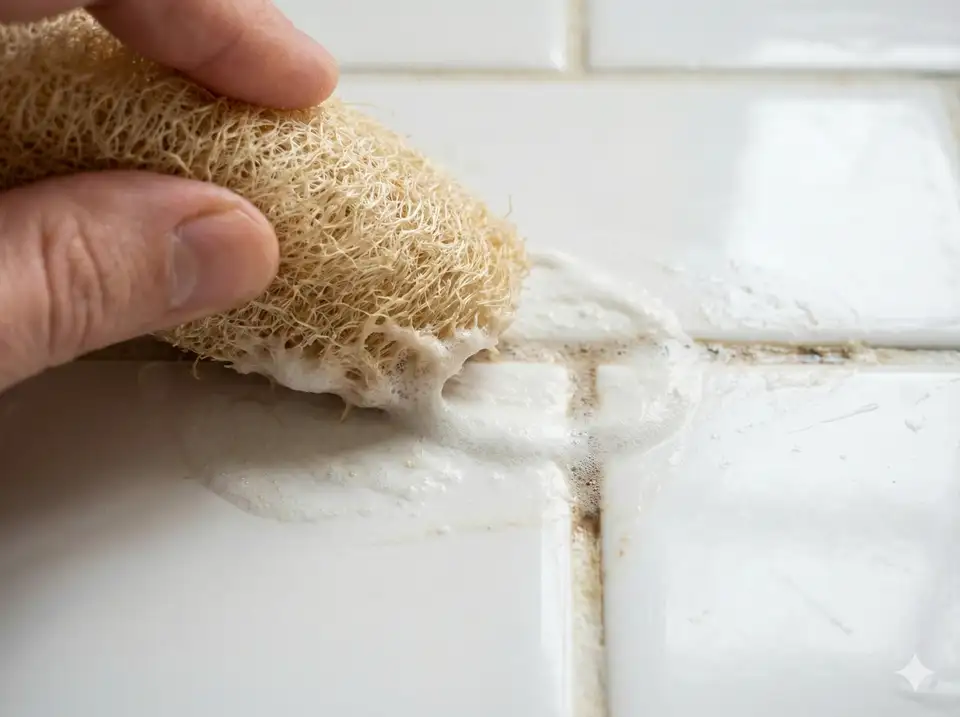
Porcelain, acrylic, fiberglass, ceramic tile - Perfect for loofah cleaning. See our guide on bathroom cleaning applications for more details. Excellent for soap scum, hard water stains, and mildew. The texture helps cut through buildup that smooth cloths leave behind.
Use with baking soda paste for stubborn stains.
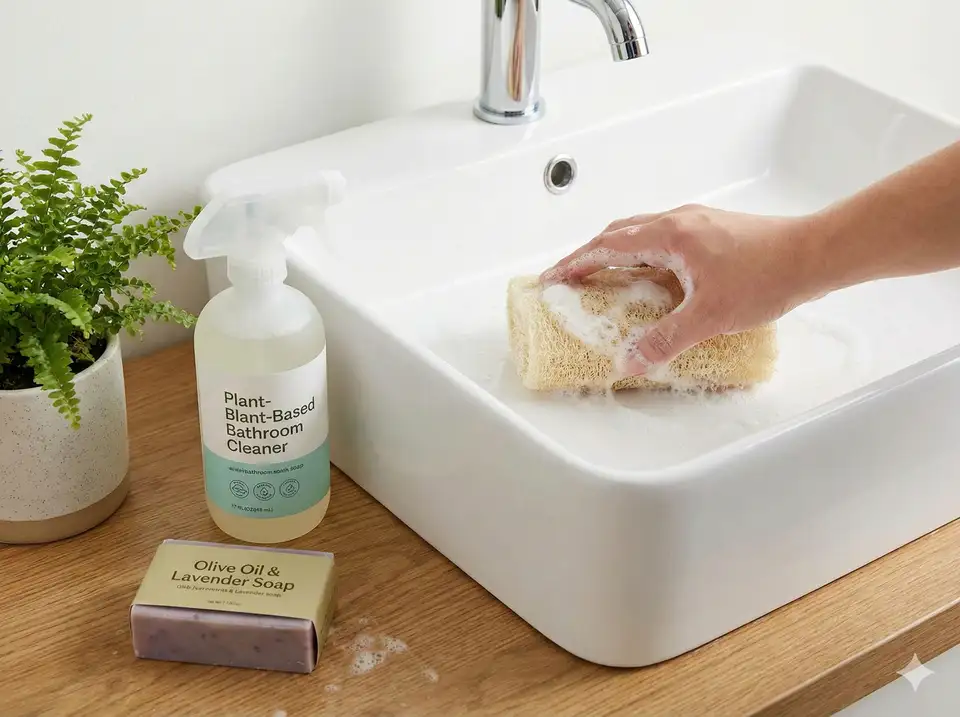
Porcelain, ceramic, composite, most stainless - Safe for loofah. Great for removing toothpaste buildup, water spots, and soap residue. Keep a designated "sink loofah" separate from dish loofahs.
Note: Use light pressure on brushed stainless to avoid scratching.
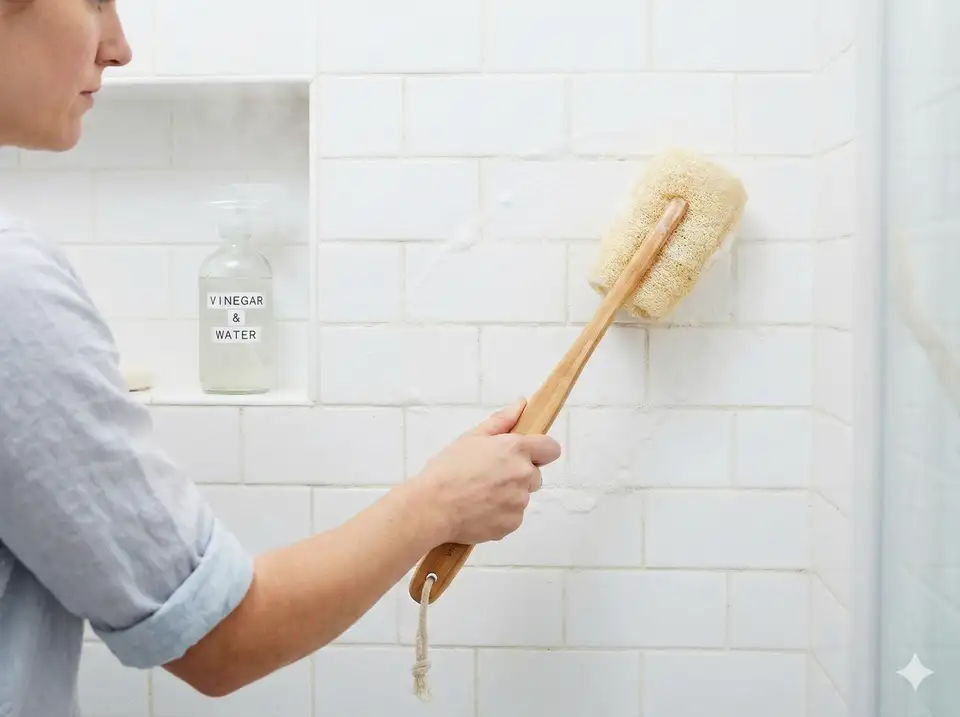
Ceramic tile, porcelain tile, grout lines - The texture gets into grout lines where smooth cloths can't reach. Use with baking soda or hydrogen peroxide solution for best results on grout.
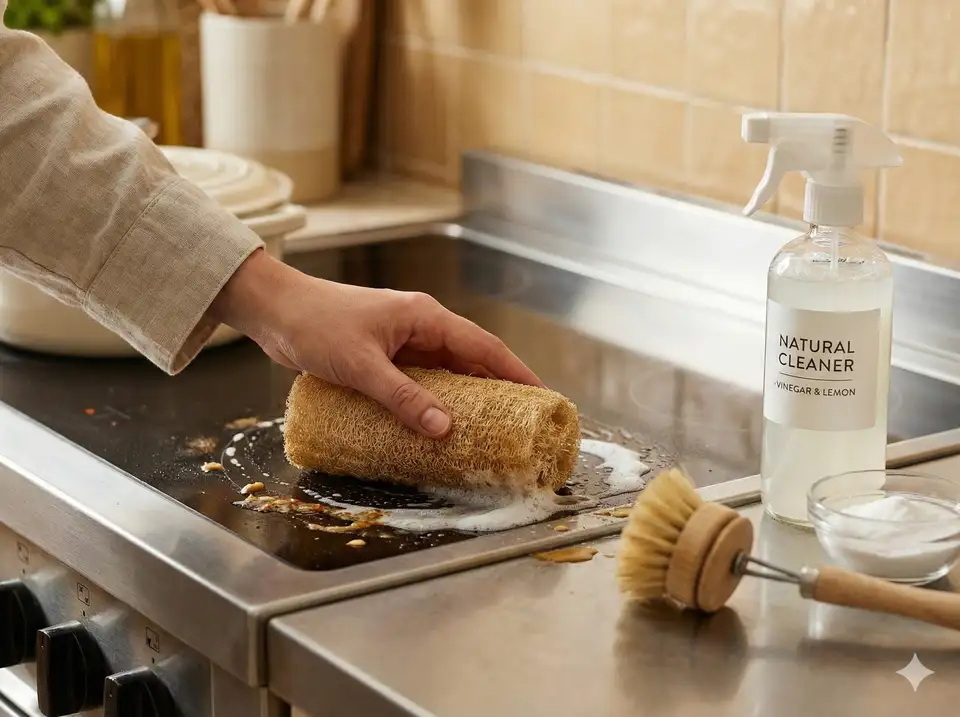
Don't use loofah on: glass cooktops, polished marble, high-gloss finishes, car paint, eyeglasses, or screens. When you choose sustainable cleaning tools, the natural abrasiveness that makes loofah effective on grime can scratch delicate surfaces. Even soft loofah can leave micro-scratches that become visible over time.
Natural Cleaning Solutions
Pair your loofah with these eco-friendly cleaning solutions for the best results.
All-Purpose Surface Cleaner
- 1 cup water
- 1 cup white vinegar
- 10-15 drops essential oil (optional - lemon, tea tree, or lavender)
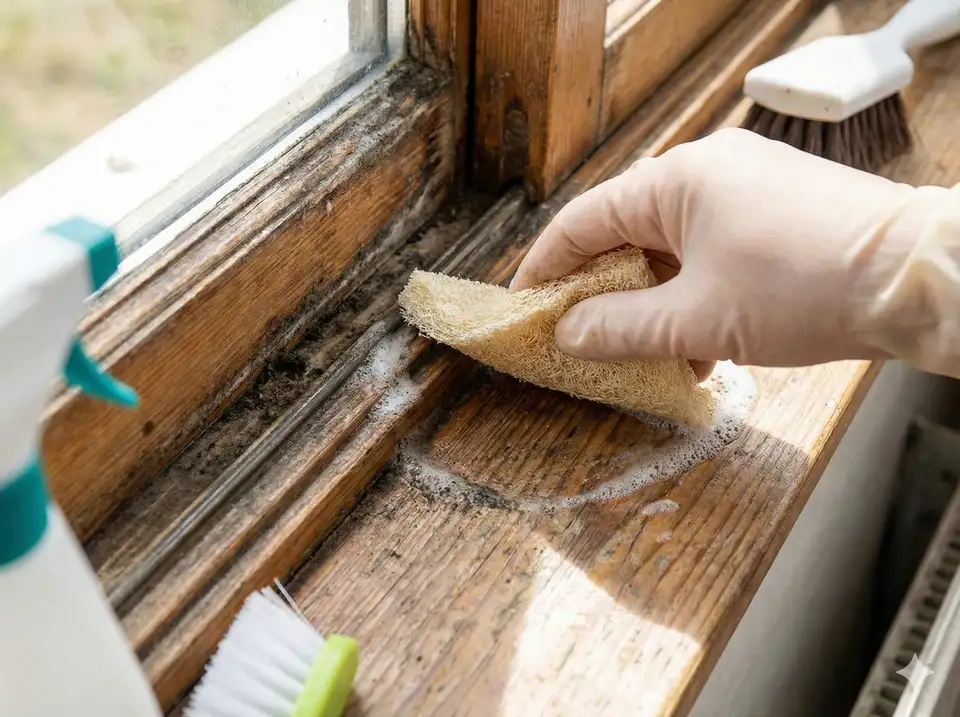
Mix in spray bottle. Spray surface, scrub with wet loofah, wipe clean. Not for use on stone surfaces.
Tough Grime Paste
- 3 tablespoons baking soda
- 1 tablespoon dish soap
- Water to form paste
Mix to paste consistency. Apply to loofah. Scrub stubborn areas. For tough scrubbing jobs, let sit 5 minutes for tough stains. Rinse thoroughly.
Grout Whitener
- 1/2 cup baking soda
- 1/4 cup hydrogen peroxide
- 1 teaspoon dish soap
Mix into paste. Apply to grout lines. Scrub with loofah. Let sit 10 minutes. Scrub again and rinse.
Proper Technique
Get the best results from your cleaning loofah with these techniques.
- Wet thoroughly - Dry loofah is more abrasive; wet it first for gentler cleaning
- Apply cleaner to loofah - Not directly to surface (prevents over-application)
- Use circular motions - More effective than back-and-forth
- Light to medium pressure - Let the texture do the work
- Rinse and wipe - Follow up with clean water and dry cloth
- Rinse loofah after - Prevents cleaner/grime buildup
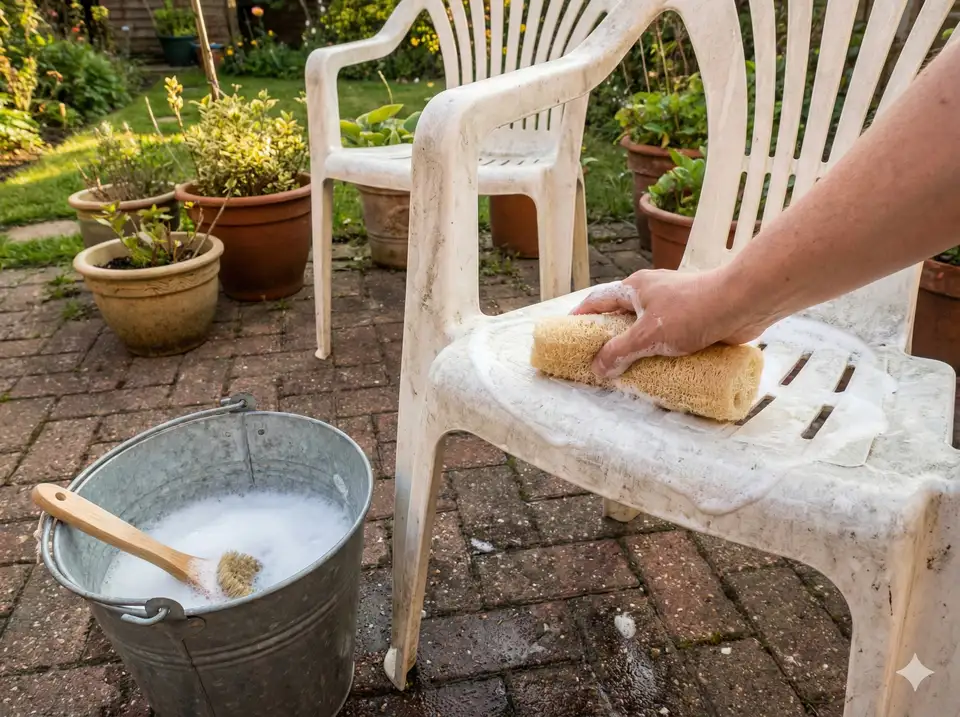
Designate different loofahs for different areas: one for kitchen, one for bathroom. Learn how to size loofah for different surfaces. This prevents cross-contamination and helps each last longer since they're used less frequently.
Cleaning Loofah Care
Cleaning loofahs need regular maintenance to stay hygienic and effective.
- Rinse thoroughly after each cleaning session
- Squeeze out water completely
- Air dry in well-ventilated area
- Sanitize weekly - soak in 1:1 vinegar/water solution for 30 minutes
- Replace monthly or when it starts to smell or fall apart - find durable cleaning loofahs that last
- Compost when done - see our composting guide
Related Guides
Recommended Products
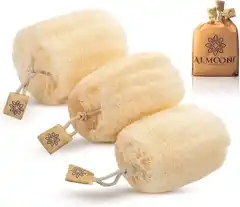
Almooni Egyptian Loofah Bath Sponges (3-Pack)
Premium thick-fiber natural loofahs - gentle exfoliation for all skin types - lasts 3-4 weeks each
Buy on Amazon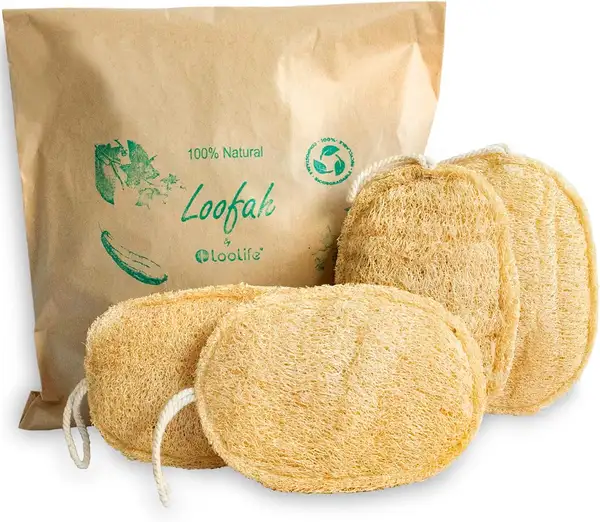
Natural Loofah Exfoliating Sponges (4-Pack)
100% organic biodegradable bath sponges - plastic-free alternative that's gentle on skin and planet
Buy on AmazonAs an Amazon Associate, we earn from qualifying purchases.