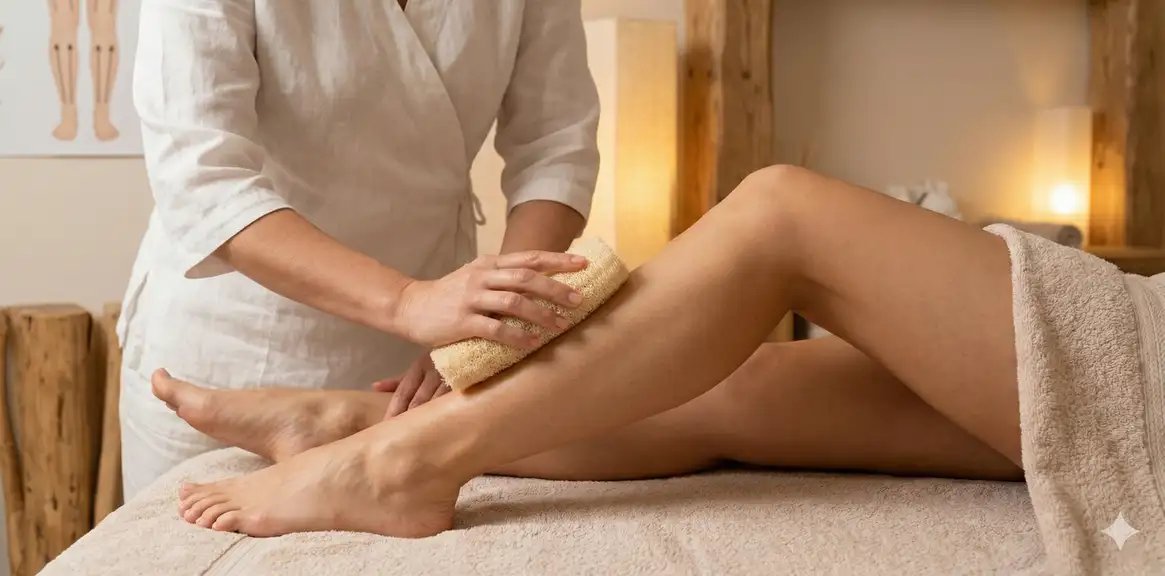
The lymphatic system is one of your body's most important yet least understood networks. Unlike your cardiovascular system with its heart-powered pump, the lymphatic system has no central pump at all. It relies entirely on muscle contractions, breathing, and external stimulation to move lymph fluid through its vessels. This is where dry brushing with a natural loofah enters the picture, offering a simple daily ritual that may help keep lymph flowing efficiently.
Understanding what we're trying to accomplish matters. The lymphatic system serves as your body's waste removal network, carrying cellular debris, toxins, pathogens, and excess fluid away from tissues toward lymph nodes for filtering. When lymph flow becomes sluggish, you may experience puffiness, water retention, fatigue, and a general feeling of heaviness in your limbs.
Understanding Your Lymphatic System
Lymph vessels run throughout your body, closely paralleling your blood vessels. Unlike arteries and veins, however, lymph vessels are extremely thin-walled and rely on external pressure to move fluid forward. Small one-way valves prevent backflow, but the forward momentum comes from muscle movement, deep breathing, and manual manipulation.
Lymph nodes cluster in specific areas: your neck, armpits, chest, abdomen, and groin. These bean-shaped organs filter lymph fluid as it passes through, trapping pathogens and debris that immune cells can then neutralize. When you're fighting an infection, you may notice swollen lymph nodes because they're working overtime.
The lymphatic system also plays a crucial role in fat absorption from your digestive tract and helps maintain fluid balance throughout your body. When lymph flow becomes impaired - whether from surgery, injury, prolonged sitting, or other factors - fluid can accumulate in tissues. This explains why people who sit for long hours often experience swollen ankles. Improving circulation and skin health through dry brushing can help address these issues.

Why Natural Loofah Works for Dry Brushing
While synthetic body brushes exist, natural fibers for body care offer distinct advantages for lymphatic stimulation. The interlocking fiber structure creates texture that provides consistent, even pressure across the skin surface. Unlike synthetic bristles that can be either too harsh or too soft, loofah fibers naturally adapt to your pressure.
For dry brushing specifically, you want a completely dry loofah. When dry, the fibers create enough friction to stimulate the skin and underlying tissues without requiring excessive pressure. This matters because lymphatic vessels lie just beneath the skin surface, and overly aggressive brushing can actually damage them.
For dry brushing, select a loofah with medium density and avoid extremely coarse specimens. It should feel firm but not scratchy when pressed against your forearm. If you've grown your own, harvesting earlier produces softer fibers. Check our guide to firm loofahs for massage to find the perfect density for dry brushing.
What Does Science Say?
Transparency matters: scientific evidence specifically studying dry brushing with loofah for lymphatic drainage is limited. Most research focuses on manual lymphatic drainage (MLD), a specialized massage technique performed by trained therapists, particularly for treating lymphedema following breast cancer surgery.
What we know from MLD research applies conceptually to dry brushing. Studies show that gentle, rhythmic pressure applied in the direction of lymph flow can measurably increase lymph transport. A 2015 review in the Journal of Manual & Manipulative Therapy found that MLD produces demonstrable effects on lymph flow and can reduce limb volume in lymphedema patients.
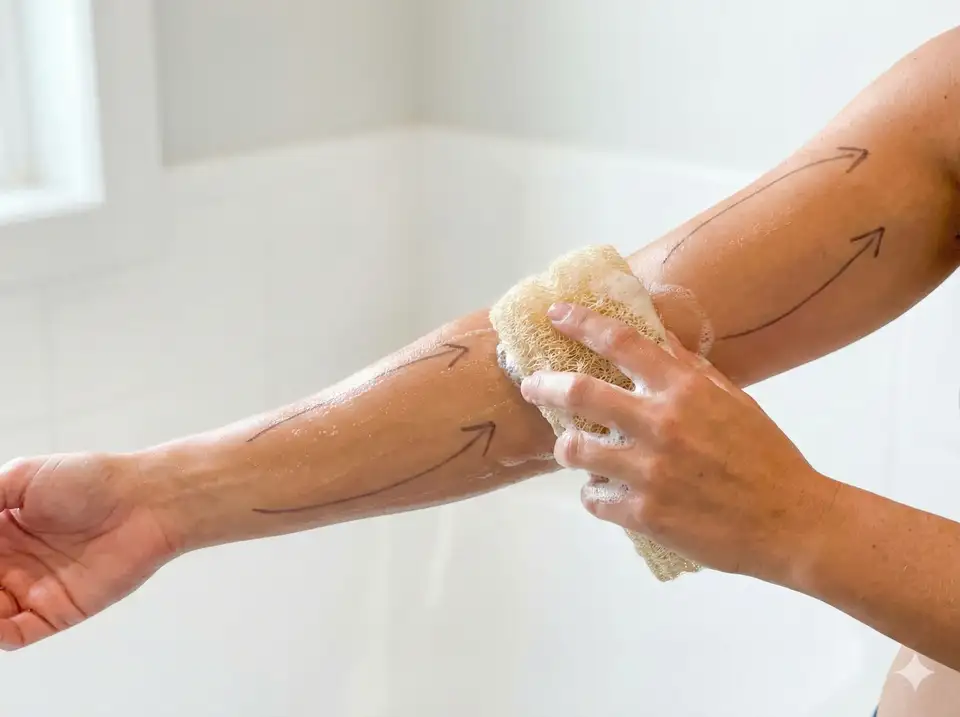
The key insight: very light pressure works best for lymphatic stimulation. This may seem counterintuitive, but lymph vessels are so delicate that heavy pressure actually collapses them. The ideal pressure is roughly equivalent to stroking a pet or smoothing wrinkles from delicate fabric.
Proper Dry Brushing Technique
Effective dry brushing follows a specific pattern designed to move lymph toward major lymph node clusters. You always brush toward your heart because the lymphatic system ultimately drains into the venous system at the base of your neck.
Before You Begin
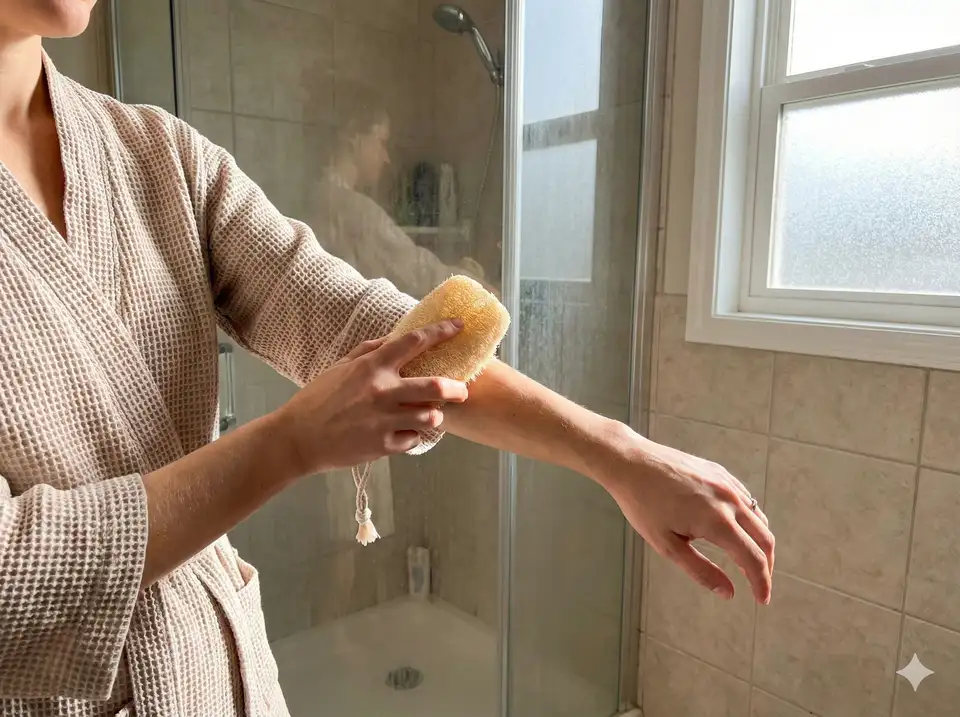
Start with completely dry skin and a completely dry loofah. Most practitioners recommend dry brushing first thing in the morning before showering, when lymph tends to be more stagnant from overnight stillness. Set aside 5-10 minutes in a comfortable space. For more dry brushing and exfoliation techniques, check our complete guide.
Step-by-Step Process
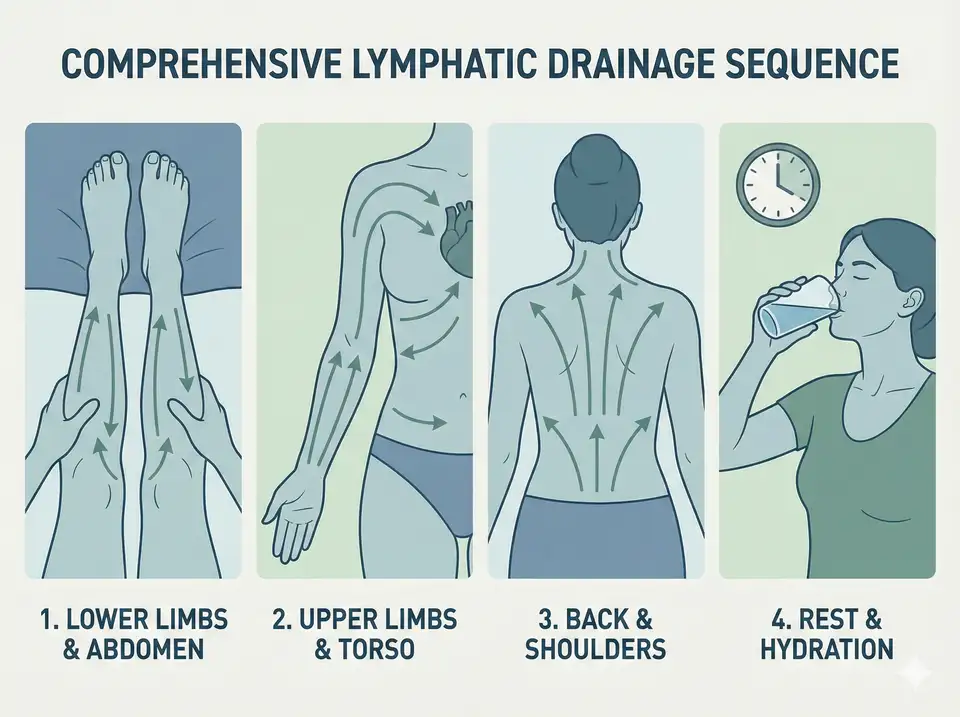
- Start at your feet - Use long, sweeping strokes from ankles toward thighs
- Work up your legs - Each area receives 3-5 strokes before moving on
- Cover hips and abdomen - Brush toward your heart; use gentle circles on stomach
- Move to your arms - Start at hands, brush toward shoulders
- Address your back - Use a long-handled loofah to reach all areas of your body, brush upward
- Finish with chest and neck - Brush from sternum toward armpits, then neck down to collarbones


Do not dry brush over open wounds, sunburned skin, active rashes, or inflamed areas. People with lymphedema should consult their doctor first. If you have eczema or psoriasis, ask your dermatologist before starting.
What to Realistically Expect
Managing expectations is important. Dry brushing is not a cure-all, and effects are subtle rather than dramatic. That said, consistent practice over several weeks typically produces noticeable improvements.
Most people notice improved skin texture first. The mechanical exfoliation removes dead skin cells, revealing smoother skin underneath. This benefit is independent of any lymphatic effects.
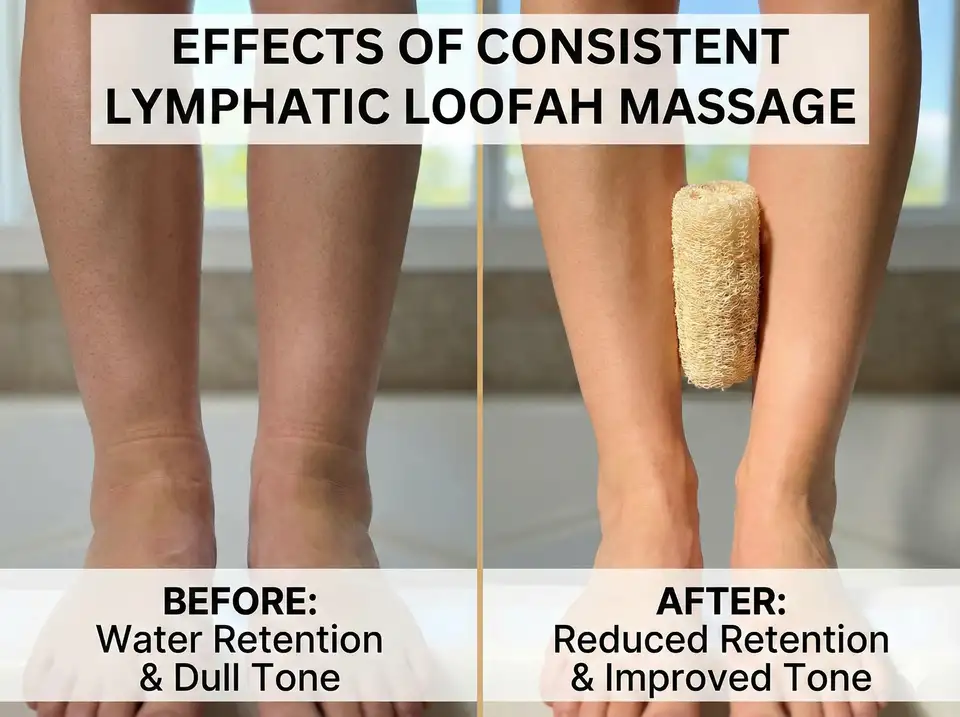
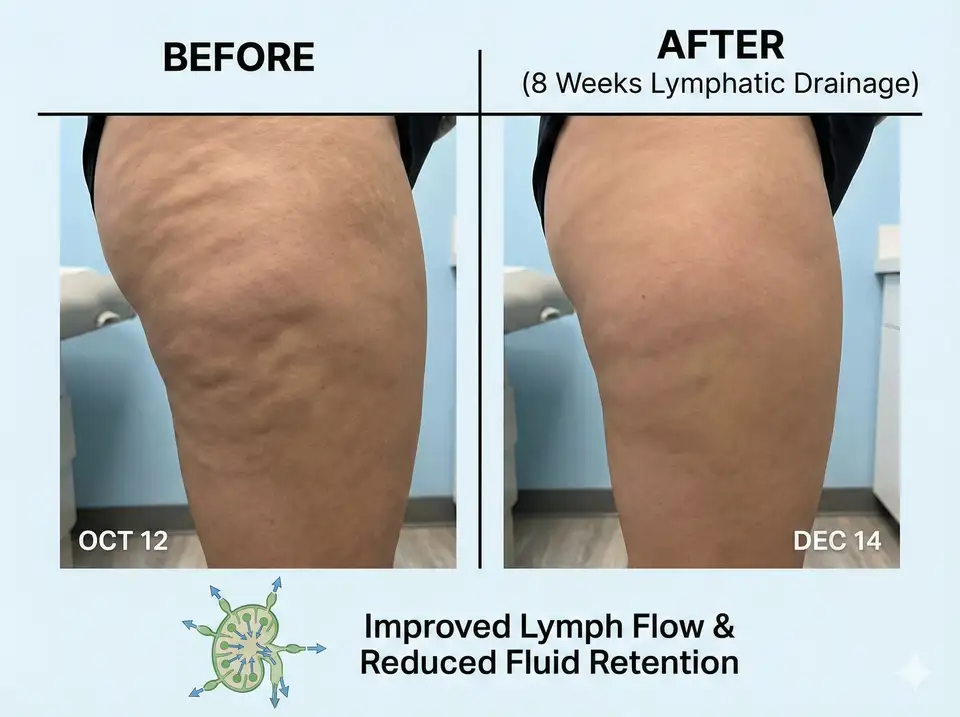
Reduced puffiness, particularly in legs and around eyes, is commonly reported after 2-4 weeks of daily practice. This aligns with what we'd expect from improved lymphatic function. If you tend to retain water or feel puffy upon waking, dry brushing may help.
What you probably won't experience: dramatic weight loss, cellulite elimination, or major detoxification. While these claims appear in wellness media, they overstate what dry brushing can realistically accomplish.
How Often to Dry Brush
For most people, daily dry brushing is safe and beneficial. The best time is first thing in the morning before your shower. This takes advantage of overnight lymph stagnation and leaves you energized.
If daily feels like too much, aim for 3-4 times per week. Consistency matters more than duration - a quick 3-minute session every day produces better results than a lengthy session once weekly.
Some people find their skin becomes sensitive with frequent brushing, especially in winter. If you notice persistent redness or irritation, reduce frequency or lighten your pressure.
Complementary Practices
Dry brushing works best as part of a broader approach to lymphatic health. Consider integrating it into your holistic bath practices for maximum benefit:
- Movement - Regular walking, swimming, or yoga support lymph flow
- Hydration - Lymph is primarily water; dehydration thickens it
- Deep breathing - Diaphragm movement creates pressure that pumps lymph
- Contrast showers - Alternating warm and cool water enhances circulation
Caring for Your Dry Brushing Loofah
A loofah used for dry brushing requires different care than one used in the shower. Since it stays dry during use, it doesn't need daily rinsing. However, it does accumulate dead skin cells and should be cleaned weekly.
To clean, shake vigorously outdoors to dislodge debris. Soak in warm water with tea tree oil or hydrogen peroxide for 20-30 minutes, then dry completely in a sunny, well-ventilated area. Replace every 3-4 months.
Learn more in our loofah cleaning and care guide.
Recommended Products
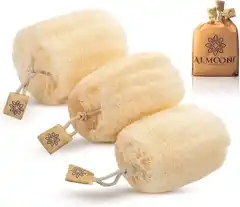
Almooni Egyptian Loofah Bath Sponges (3-Pack)
Premium thick-fiber natural loofahs - gentle exfoliation for all skin types - lasts 3-4 weeks each
Buy on Amazon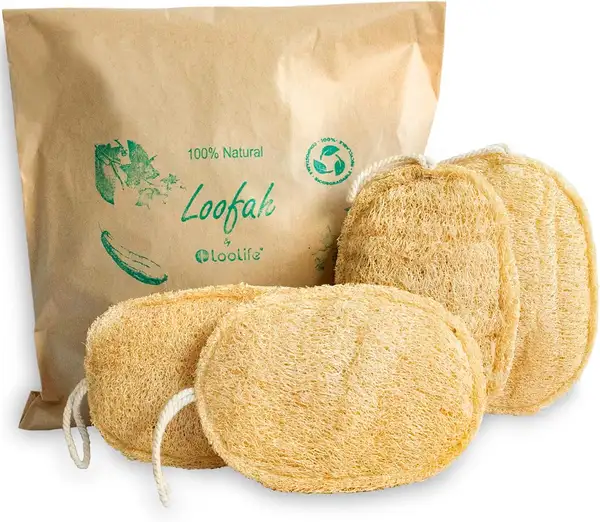
Natural Loofah Exfoliating Sponges (4-Pack)
100% organic biodegradable bath sponges - plastic-free alternative that's gentle on skin and planet
Buy on AmazonAs an Amazon Associate, we earn from qualifying purchases.